

🧪Kryptonite: What’s what?
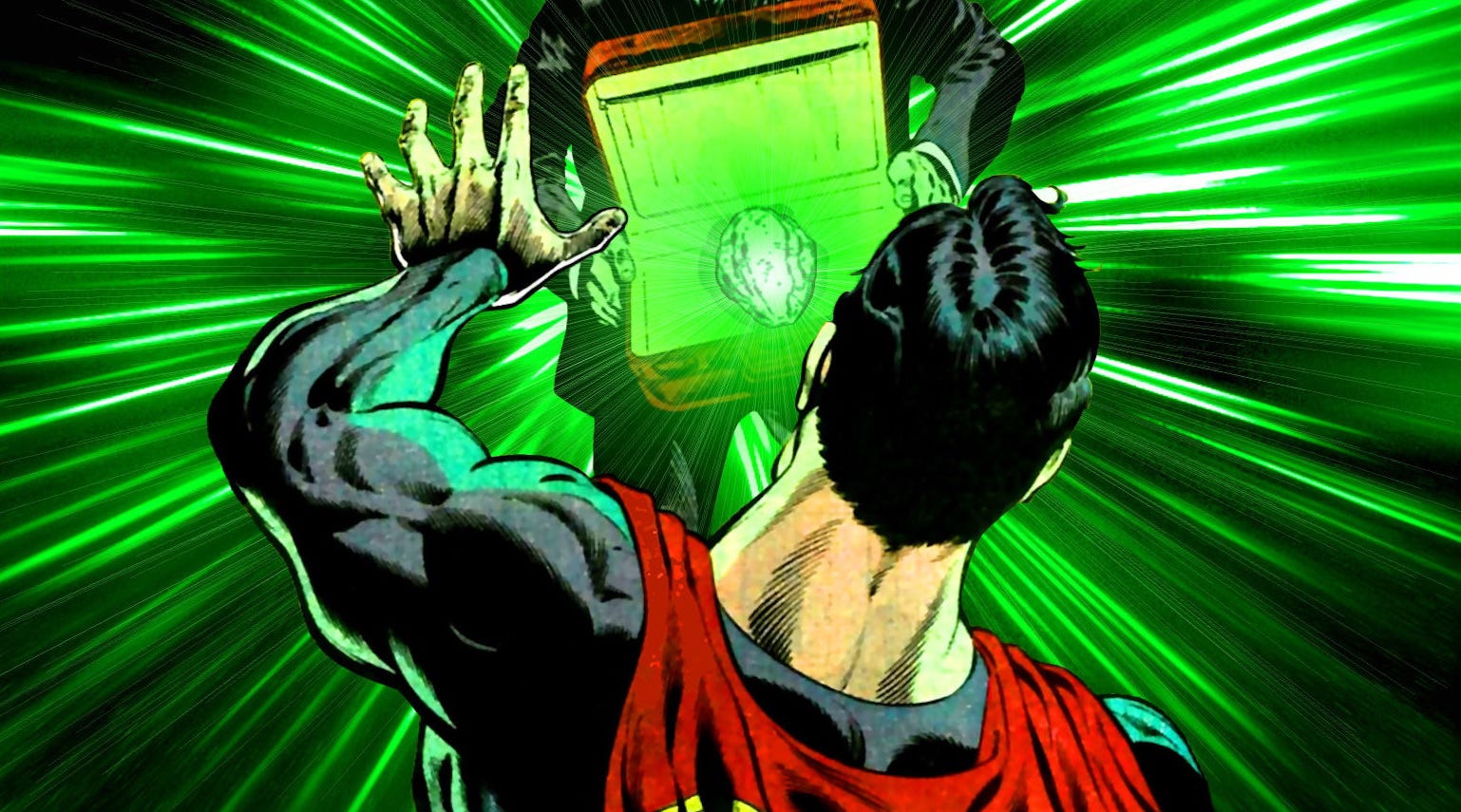
We all have a weakness. For Superman, it’s kryptonite—a glowing green rock from his destroyed home planet. For the rest of us, it’s maybe chocolate. Or procrastination. Or spoilers.
This month, we’re breaking down a word that started in comics but now lives everywhere—from science to slang. Whether you’re a superhero in disguise or just trying to survive your day, kryptonite is a word worth knowing.
🔤 Etymology: Where Did Kryptonite Come From?
-
Root: Krypton — the fictional planet where Superman was born
-
Suffix: -ite — a common ending for minerals (like graphite or granite)
-
Origin: First appeared in the Superman radio serial in 1943, later introduced in comics in 1949 (Superman #61)
The word was invented to create tension in Superman’s invincible story. By giving him a specific weakness, writers gave readers something more relatable: vulnerability.
📚 Usage: How We Use “Kryptonite” Today
In everyday English, “kryptonite” now means any specific weakness, especially one that’s oddly personal or ironic. You might hear someone say:
-
“Ice cream is my kryptonite.”
-
“Public speaking is her kryptonite.”
-
“He’s great at everything—except math. Total kryptonite.”
In comics, it’s literal. In life, it’s metaphorical—but always colorful.
📝 Notes & Fun Facts
-
☢️ Kryptonite has had multiple variations in DC Comics lore—green, red, gold, blue, silver, and more—each with different effects on Superman.
-
🧬 There’s a real element called krypton, but it’s a colorless gas and not radioactive (sorry, Lex Luthor).
-
📻 Kryptonite was first introduced in the Superman radio show because the voice actor needed a break—so they created a story where Superman was unconscious.
-
🌍 The word has become so widespread, it’s been used in everything from pop songs to sports commentary to tech blogs.
🗯️ Why It Matters
Words like “kryptonite” show how comics create culture. What started as a plot device in a superhero story has become a universal metaphor—accessible, emotional, and endlessly adaptable.
That’s the power of comics: they turn imagination into language, and language into connection.