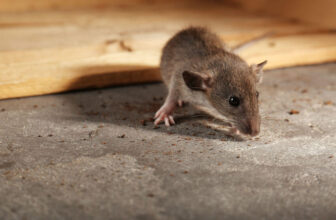

When early Ozark frosts arrive and nighttime temperatures plunge across Southwest Missouri, homeowners retreat indoors to the warmth of their living rooms. Unfortunately, they aren’t the only ones seeking shelter from the cold.
As late autumn transitions into winter across Greene County, mice and rats face a survival crisis. Cold ground temperatures, dying vegetation, and depleted natural food sources force rodents into an aggressive search for warmth, reliable shelter, and pantry goods.
In Springfield, our unique local architecture—ranging from stone-foundation historic bungalows in Phelps Grove and Midtown to newer crawlspace-built homes across Galloway and Battlefield—creates an open invitation for winter rodents.
A winter rodent infestation is not merely an inconvenience; it poses significant risks of structural fire, wiring damage, and health code hazards. This complete winter rodent defense guide for Springfield, Missouri homes covers the risks of seasonal rodent pressures, the warning signs to monitor, key areas to seal, and the most effective ways to defend your living space all season long.
Why Winter Rodent Pressure Spikes in the Ozarks
Rodents do not hibernate. While many outdoor insects go dormant once the ground freezes, rodents remain fully active through December, January, and February.
- The Sudden Temperature Drop (The 40°F Trigger): As soon as overnight lows dip into the 40s and 30s, rodents experience an instinctual drive to move toward heat sources. Warm air escaping from foundation vents, soffits, and dryer lines creates a thermal trail that guides pests straight toward your house.
- Abundant Hiding Spots in Springfield Homes: Many Springfield residences feature vented crawlspaces, unfinished basements, and dropped sill plates. These architectural voids provide quiet, insulated shelters immediately beneath heated floorboards.
- Severe Cold-Weather Risks: Once inside, a rodent’s natural need to gnaw becomes destructive. Because their incisors grow constantly, mice and rats chew through batt insulation, PVC plumbing lines, and electrical wiring—creating a hidden structural fire hazard within wall voids and attic spaces.
Common Winter Rodents in Springfield: House Mice vs. Norway Rats
Identifying which rodent has made its way inside dictates the placement of traps and the scope of structural exclusion work.
| Characteristic | House Mouse (Mus musculus) | Norway Rat (Rattus norvegicus) |
| Physical Appearance | Small, slender body; 2.5–3.5 inches long; large ears, long thin tail | Stocky, heavy body; 7–10 inches long; blunt snout, thick scaly tail shorter than head/body |
| Dropping Profile | Small, pointed ends; about the size of a grain of rice (1/8 to 1/4 inch) | Large, dark, blunt-ended capsule shape (1/2 to 3/4 inch) |
| Entry Point Size | Can squeeze through openings as narrow as a dime or pencil eraser (1/4 inch) | Squeezes through gaps the size of a quarter or half-dollar (1/2 inch) |
| Common Winter Harborages | Attic insulation, dropped ceilings, kitchen cabinets, stove insulation, wall voids | Damp crawlspaces, basement corners, sub-floor foundations, root cellars |
5 Warning Signs Rodents Have Entered Your Home
Because rodents are nocturnal and instinctively avoid brightly lit living spaces, early winter infestations frequently develop out of sight. Watch for these 5 telltale indicators:
- Nocturnal Scratching & Scurrying: Hearing faint scratching, pattering, or gnawing sounds behind bedroom drywall or overhead in the attic after midnight.
- Fresh Droppings Along Travel Lines: Discovering dark pellets concentrated along pantry shelving, beneath kitchen sinks, along basement sill plates, or behind garage appliances.
- Grease Rub Marks: Rodents have poor eyesight and navigate by memory and tactile feedback, running tight against baseboards. The natural oils and dirt in their fur deposit dark, waxy smudges along foundation ledges, pipes, and floorboards.
- Shredded Insulation & Nesting Piles: Finding torn paper, chewed cardboard, or shredded fiberglass insulation clustered behind water heaters, under crawlspace subfloors, or inside unused closet storage bins.
- Unexplained Food Package Damage: Corners chewed off pet food bags, cereal boxes, or grain sacks in the pantry.
Step-by-Step Winter Rodent Exclusion Checklist
Effective winter rodent defense relies on exclusion—physically sealing structural defects so pests cannot get inside in the first place. Trapping alone will not solve an infestation if the perimeter remains vulnerable.
1. Exterior Foundation & Utility Walk-Around
- Pack Pipe Penetrations: Inspect where HVAC refrigerant lines, gas pipes, water spigots, and electrical conduits enter exterior masonry or siding. Rodents can chew directly through standard expanding spray foam; always pack openings with copper mesh or coarse stainless steel wool before sealing over with exterior-grade polyurethane or silicone caulk.
- Repair Crawlspace Vents: Check foundation crawlspace ventilation grates for torn mesh, rusted frames, or bent corners. Replace damaged screens with heavy-gauge 1/4-inch galvanized hardware cloth.
- Check Ground-Level Door Sweeps: Inspect garage doors, back utility doors, and basement exits. If light is visible beneath closed doors, install heavy-duty, chew-resistant rubber sweeps and weather seals.
2. Attic, Eaves, and Rooflines
- Trim Tree Canopies: Mice and squirrels use overhanging oak and walnut branches as bridges directly to rooflines. Trim tree branches back at least 6 to 8 feet away from siding and gutter lines.
- Screen Soffits & Ridge Vents: Ensure roof ridge vents, attic louvers, and gable vents are backed with intact wire mesh. Mice can climb vertical brickwork and rough siding to enter through unsealed roof gaps.
3. Indoor Sanitation & Storage Defense
- Switch from Cardboard to Plastic: Avoid storing holiday decor, clothes, or dry goods in cardboard boxes in basements or attics. Switch to heavy-duty plastic storage totes with locking lids.
- Secure Pet Food & Pantry Goods: Transfer birdseed, dog kibble, flour, and grains into airtight metal or glass canisters. Leaving open pet food bowls on basement or utility room floors provides mice with a reliable winter feeding station.
Why DIY Baits and Retail Traps Fall Short
Homeowners often respond to winter rodent sightings by scattering retail wooden snap traps or over-the-counter poison bait blocks in basements and crawlspaces. While this can catch an occasional foraging mouse, it rarely eradicates the colony:
- Toxicity and Pet Hazards: Loose, exposed rodenticides placed in living zones or open crawlspaces create accidental poisoning risks for household dogs, cats, and native wildlife.
- Rodents Dying Inside Wall Voids: Retail poisons take several days to work. Mice often ingest the bait, retreat deep inside insulated wall cavities or dropped ceilings to die, and leave behind severe odor and fly issues.
- Ignoring the Root Cause: Trapping removes only the pests currently inside; it leaves structural entry holes untouched. Without exterior exclusion, new mice will follow established scent pheromones directly through the same foundation gaps within weeks.
Shield Your Springfield Home with Mantis Pest Solutions
Long-term winter rodent prevention requires an integrated strategy that combines active indoor removal with structural exterior defense.
At Mantis Pest Solutions, our certified pest specialists provide thorough, seasonal rodent control tailored to the architectural styles of Southwest Missouri:
- Comprehensive Seasonal Inspections: We examine your attic spaces, crawlspace vents, sill lines, and foundation perimeters to identify active nests and pinpoint vulnerable entry points.
- Targeted Perimeter Exclusion: We locate and seal dime-sized gaps using high-grade, chew-proof exclusion materials that keep rodents locked outside.
- Safe, Tamper-Resistant Stations: We place locked, child- and pet-safe exterior monitoring stations along perimeter foundation walls to intercept migrating rodents before they ever enter the home envelope.
- Ongoing Year-Round Peace of Mind: Our recurring residential pest protection plans (starting at just $49.99/month) keep your home defended against rodents, brown recluses, cockroaches, and seasonal pests in every weather condition.
Don’t wait for winter temperatures to drive uninvited guests into your attic.
Protect your home today: Visit our Springfield Pest Control page or call our Springfield branch at (417) 708-8313 to schedule your free pest inspection!