


Building expansive 3D environments in iClone, from detailed medieval castles to dense city streets, often introduces a major production challenge: viewport lag. As modular scenes grow, thousands of subprops, duplicate texture maps, and complex object hierarchies can quickly saturate system resources, dropping framerates and slowing real-time interaction.
While reducing viewport render settings or disabling Global Illumination offers a temporary speed boost, it sacrifices the visual accuracy needed for precise lighting and camera setup. Fortunately, iClone includes built-in optimization features (Static Assets, Material Unification, Mesh Merging, and NVIDIA DLSS) that allow artists to maintain high visual fidelity while keeping viewport playback exceptionally smooth.
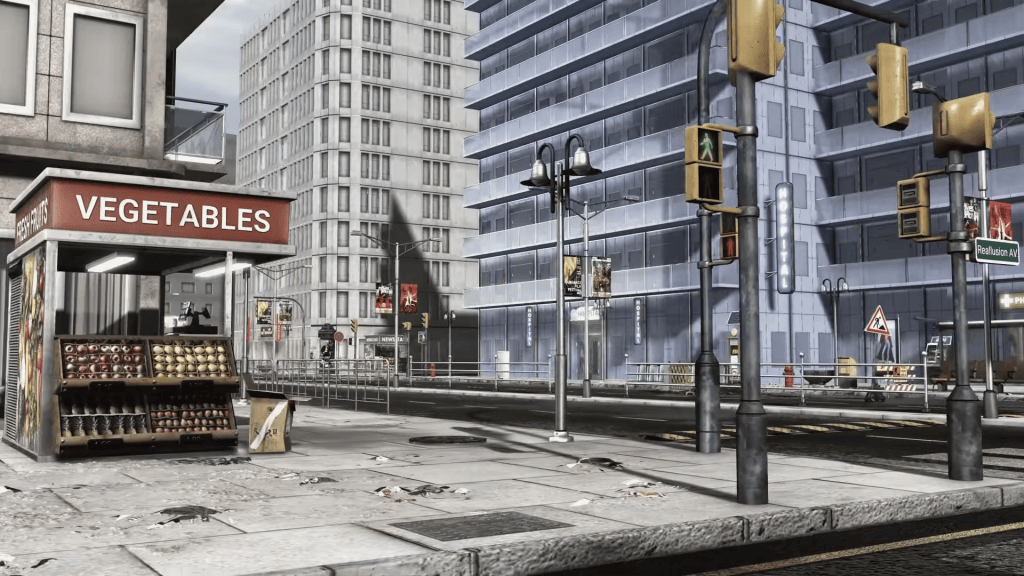
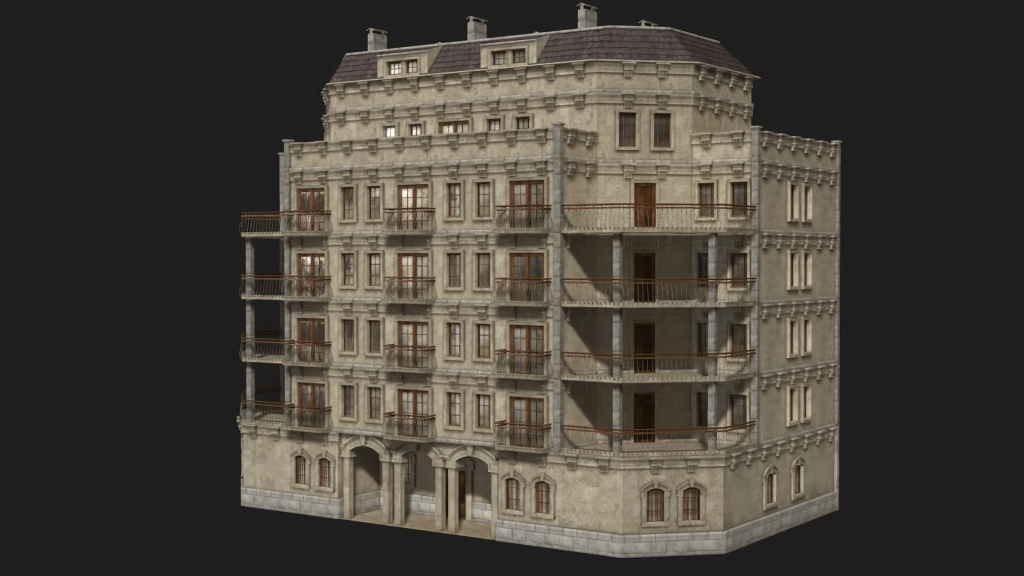


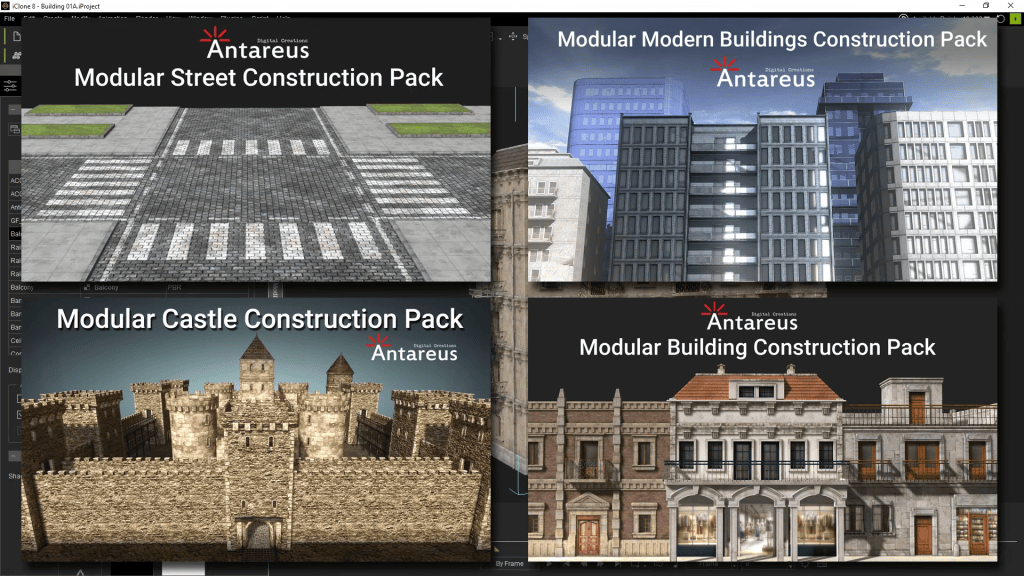
Check out Adolf Navarro’s popular Antareus construction series in the Content Store. These packs give you snap-together flexibility to design custom, high-detail environments.
The Hidden Overhead of Modular Environments
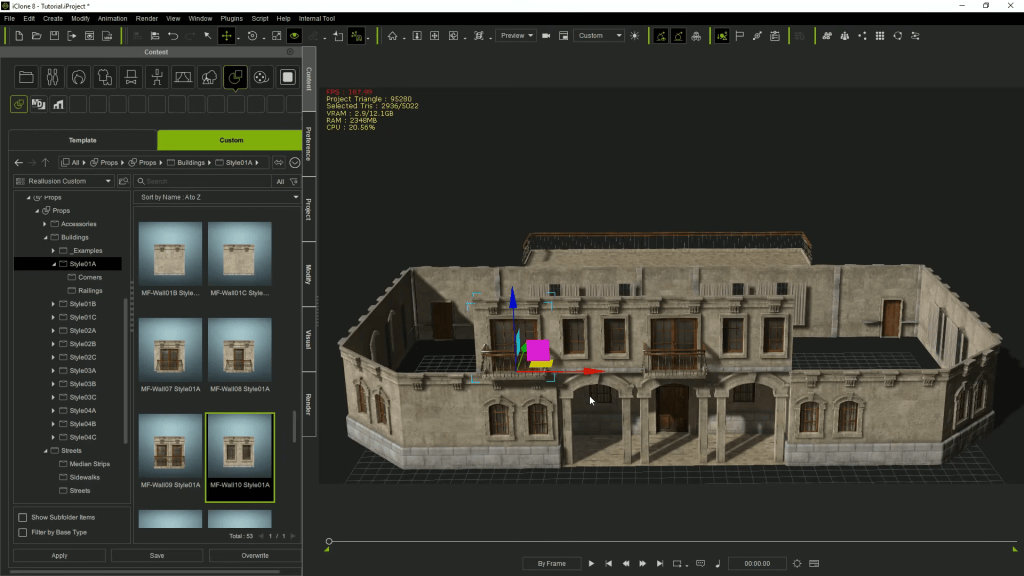
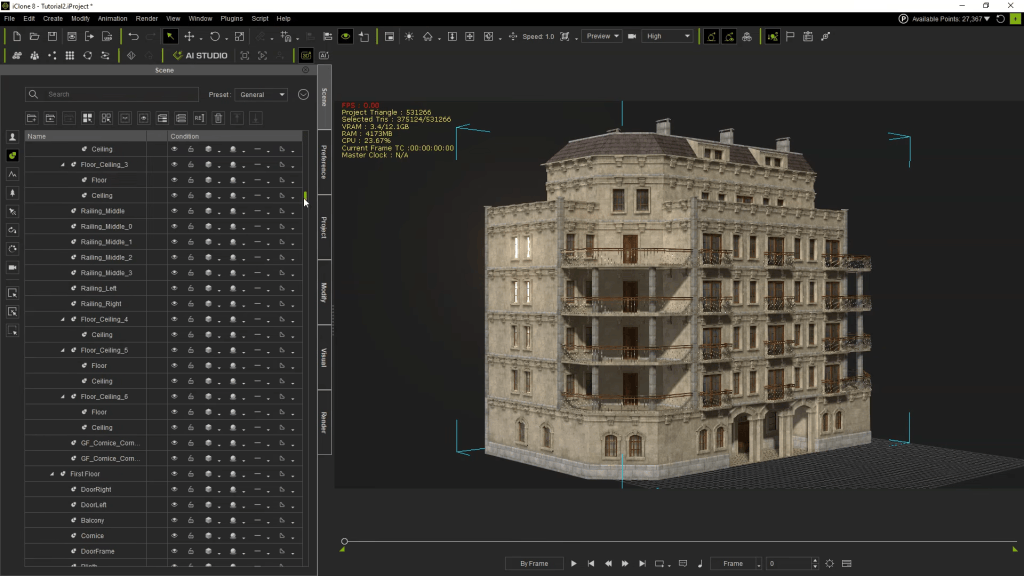
Modular asset packs make environment creation fast and flexible. However, a single building or street layout constructed from modular pieces can contain hundreds of individual subprops. Even when attached under a single parent object, iClone historically treats each piece independently.
When combined with prop dressing and decals, these complex assemblies generate thousands of discrete draw calls and redundant VRAM entries, causing severe viewport lag during scene manipulation.
Reclaiming VRAM via Material Unification
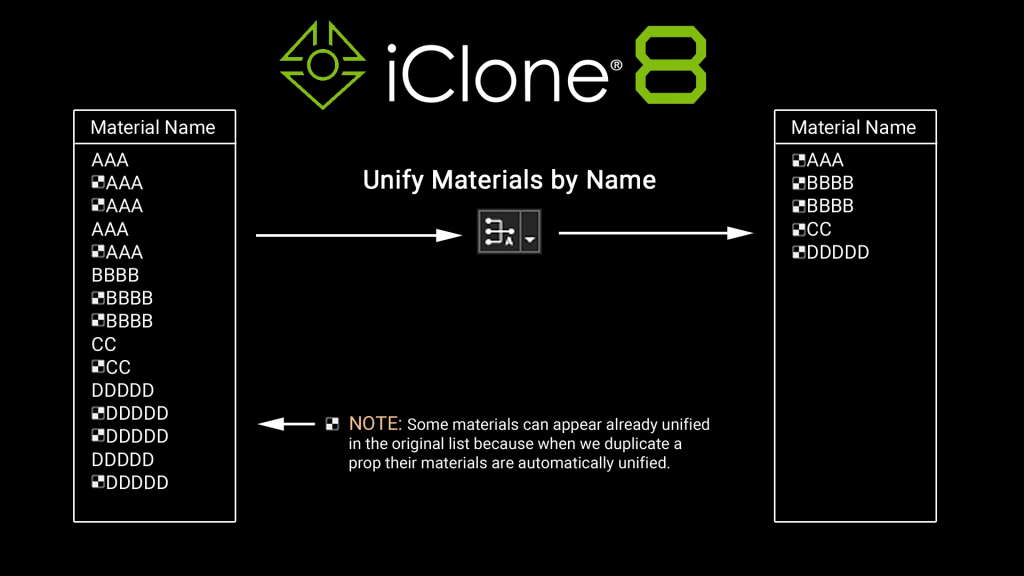
Modular sets frequently reuse identical textures across dozens of subprops. Standard imports often load these textures as separate material instances, unnecessarily saturating graphics memory.
The Unify Materials function scans attached subprops for identical material names and consolidates them into a single shared instance (marked by a checkered icon).
Pro Tip: Review your material list before unifying. Rename unique surfaces (such as distinct banner variations) to prevent unwanted merging.
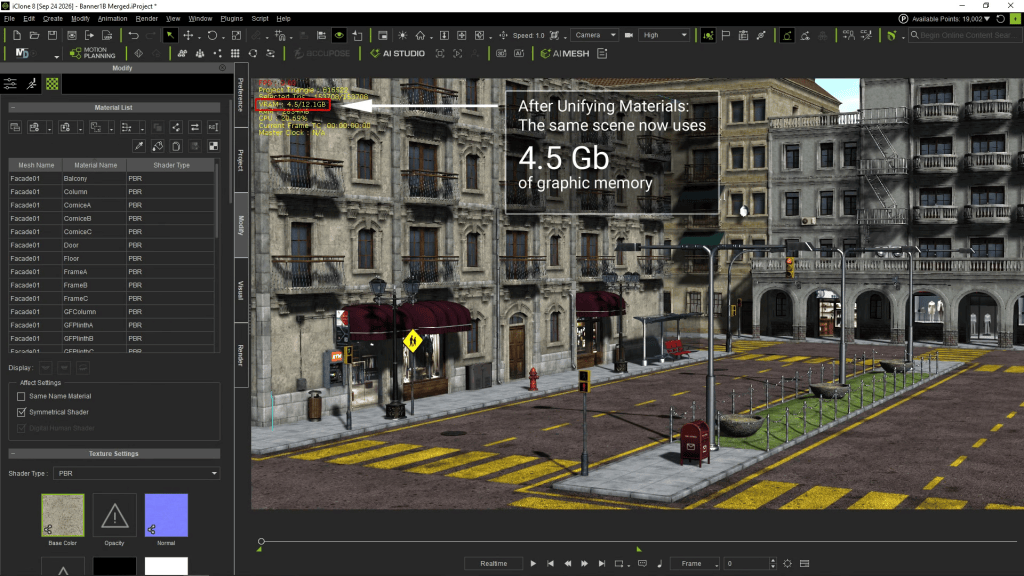
Once unified, high-resolution 2K or 4K texture maps are stored in VRAM only once, freeing up substantial GPU memory for large-scale scenes.
Boosting Framerates with Mesh Merging
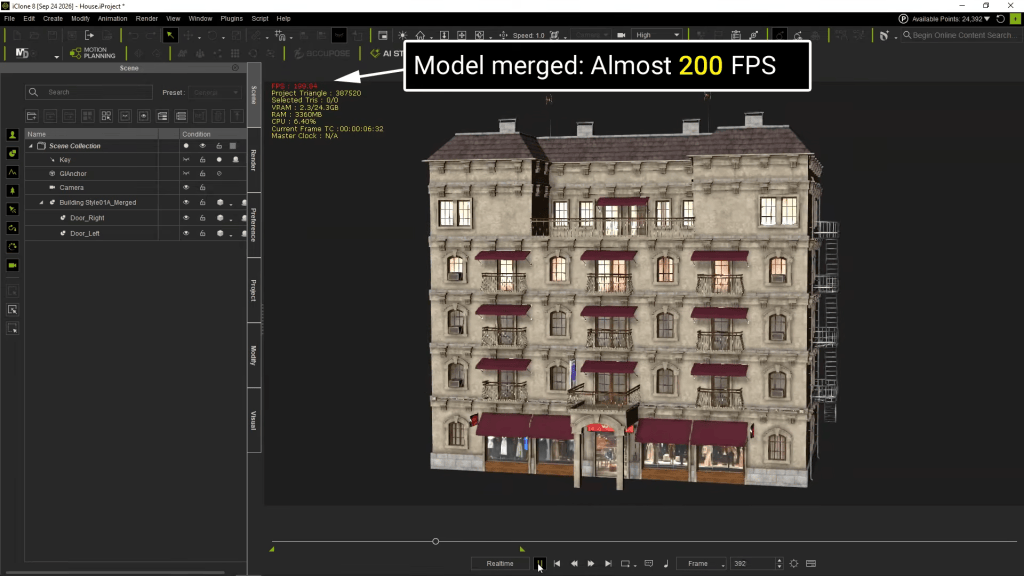
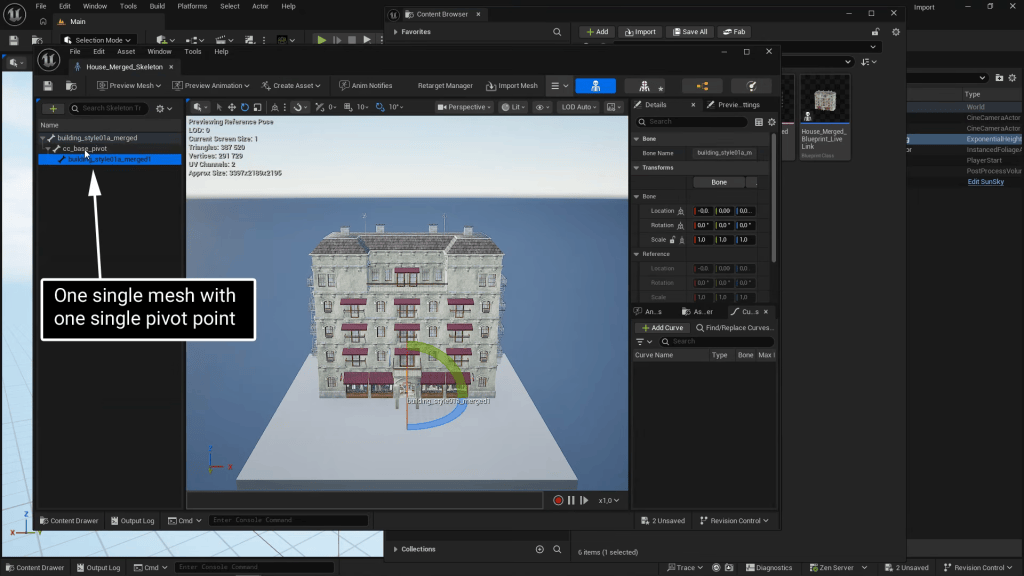
While attaching props organizes them in the Scene Manager, the rendering engine still draws each subprop separately. The Merge Prop feature bakes attached child meshes into a single unified mesh.
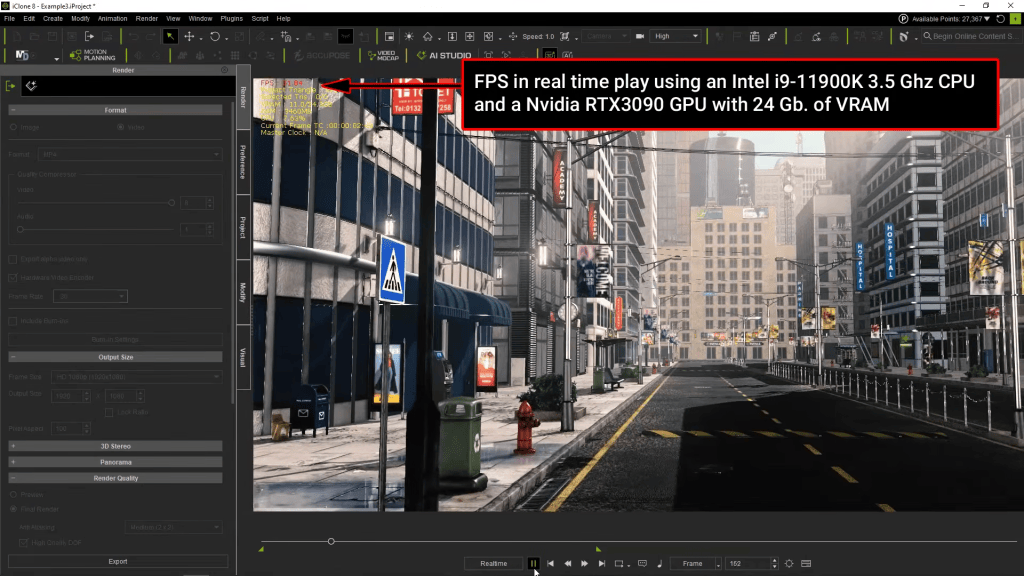
- Massive Framerate Gains: Consolidating hundreds of draw calls into a single batch can transform sluggish viewports running under 10 FPS into smooth playback up to 200 FPS.
- Flexibility for Animated Elements: Detach subprops meant for independent motion (such as doors or gates) before merging, then reattach them as subprops to the unified structure afterward.
- Clean Pipeline Exports: Merged assets export to Unreal Engine, Unity, or Blender as a single streamlined mesh, avoiding bloated bone hierarchies, extra object nodes, and duplicate material files.
Note: Mesh merging is permanent, so keep an unmerged backup copy in your Content Manager before executing.
Streamlining Data with Static Assets
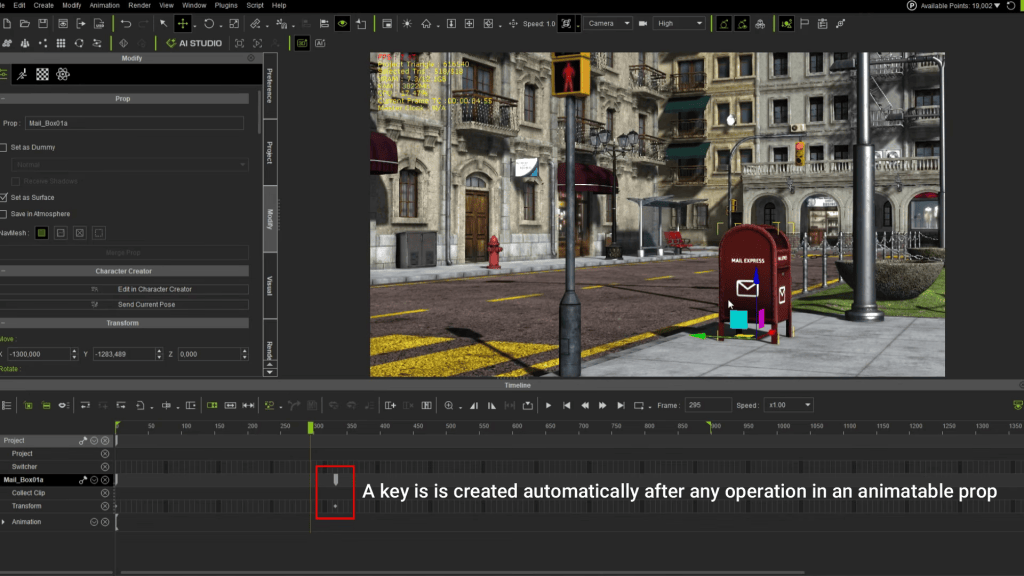
Most environment props remain completely motionless throughout an animation. By default, objects in iClone are set to Dynamic, meaning any transform adjustment generates timeline keyframes.
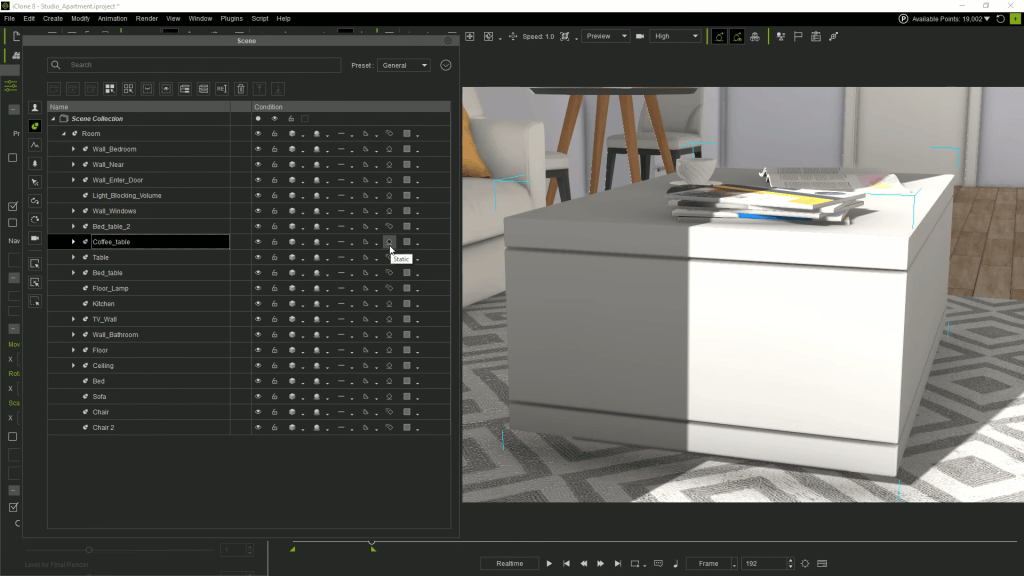
Converting non-moving assets to Static status simplifies scene data handling:
- Keyframe-Free Adjustments: Static props do not generate timeline keys. Moving or scaling an object at frame 300 updates its position across the entire animation without creating unintended motion.
- Reduced System Load: Eliminating keyframe calculations keeps the timeline light and responsive.
- Visual Status Indicator: Static objects display a blue bounding box in the viewport rather than the standard yellow used for dynamic assets.
Next-Gen Speed with NVIDIA DLSS
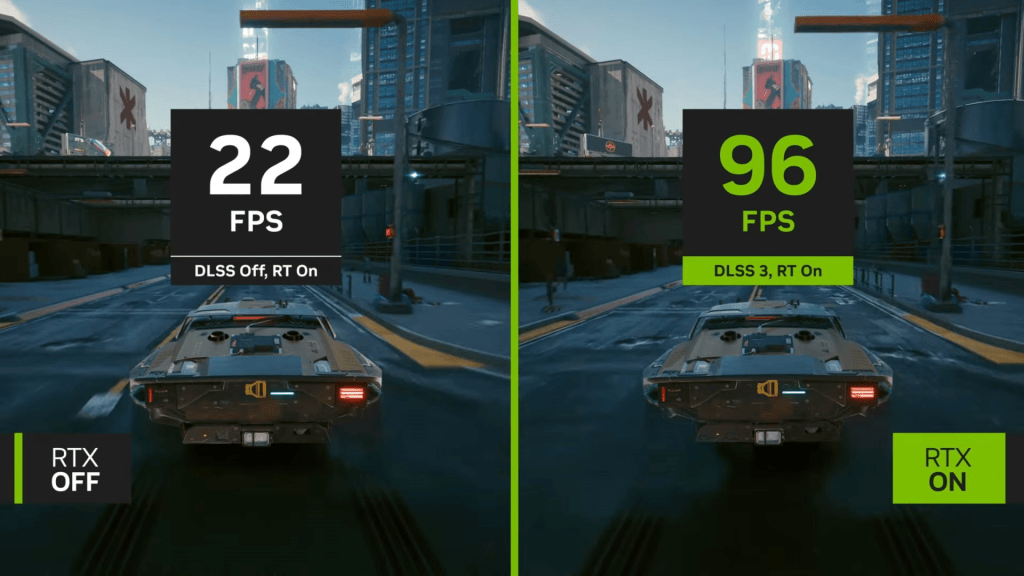
Complementing scene-level optimizations, NVIDIA DLSS leverages AI directly within the iClone viewport. DLSS provides real-time anti-aliasing that eliminates specular flickering on fine details without taxing performance. On RTX 40 and 50 series GPUs, DLSS Frame Generation inserts AI-rendered frames during real-time playback, delivering fluid viewport navigation during camera and lighting previews.
Conclusion
Creating expansive 3D environments with modular packs no longer requires choosing between visual realism and viewport speed. While snap-together construction packs give you complete freedom to build custom architectures, streets, and castles, these optimization keys ensure your scene remains lightweight and responsive.
By following a quick routine (setting static status, unifying shared materials, merging complex subprops, and enabling DLSS) you eliminate draw-call bottlenecks and VRAM clutter. With these workflows in place, you can fully leverage the creative flexibility of modular building assets to bring massive, immersive worlds to life without hitting performance limits.
Read More



