


Japan is one of my top favorite destinations, and if you’ve been following my journey, it’s an obvious fact because I’ve been making multiple visits there every year — most of which are to the capital city of Tokyo. (Tokyo Itinerary)
Now, of course, who hasn’t heard of this vibrant city full of ancient traditions that are wonderfully contrasted by its bustling modernity? It’s definitely on everyone’s travel bucket list; and I’m sure that much like everyone else, you also want to make the most of this trip minus the stress of planning out your trip.
Well, don’t fret, because with my past experiences, know-how, and ‘passion’, I’m here to help you out with this DIY Tokyo itinerary! After all, I know how daunting it can be to map Tokyo out — believe me, I’ve been there — and it IS, without a doubt, a dense and massive metropolitan city that can easily be a separate country of its own.
TRIVIA: With over 13.5+ million people across an area of 2,000+ km2, Tokyo (officially called the Tokyo Metropolis) is actually comprised of 23 special wards, 26 cities (Tama Area), 3 towns + 1 village (Nishi-Tama District), and several outlying islands. Now, not a lot of people know this… but the core or most populous part of Tokyo (which we travelers typically go off to) ONLY comprises a select few places within the 23 special wards.
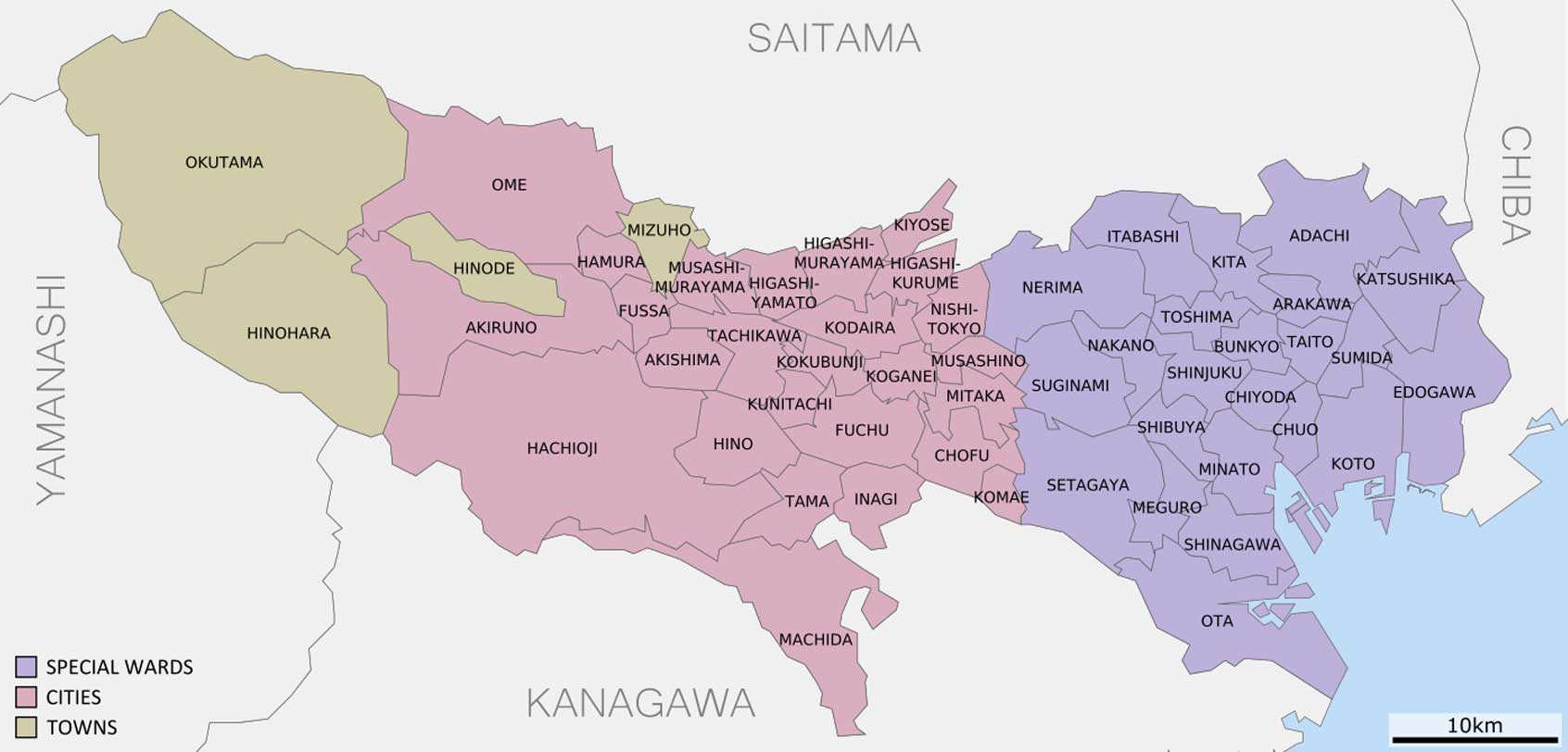
As seen above, the PURPLE area in Tokyo is where the 23 special wards are found, and only some of the places in these wards are where tourists typically visit. (Image from Wikipedia)
Each of these special wards has its own major districts in which traveling from one district to another can take an hour — or even more! So YES, you will need some guidance; but as I said, I’m here to help you every step of the way with the help of this Tokyo itinerary guide. It is also totally customizable to fit any number of days that you might be spending.
Where to Stay in Japan?
Come and check out my lists below that feature the top-recommended choices for cheap to luxurious accommodation choices in the country:
Best Hotels in Tokyo
Best Hotels in Kyoto
Best Hotels in Osaka
Best Hotels in Hiroshima
Tokyo Travel Guide
» Quick Travel Planning
.wp-container-4 {gap:0em!important;} .wp-block-columns {padding-top:20px;padding-right:15px;padding-left:15px;padding-bottom:20px;} .travel-planning-columns {border:2px solid #ececec;!important;}
TIP: It’s a good idea to crosscheck the prices with other popular travel insurance providers like World Nomads and HeyMondo (as my reader, you get 5% off)! However, take note that a travel insurance’s affordability typically means lesser coverage; so please always ensure that you read the fine print in order to decipher which travel insurance company is the right fit for you and your trip!
• • •
Tokyo Itinerary Guide
IMPORTANT NOTES:
– The following section is in a tabbed format, so to see the next day’s contents, just click the headings below.
– I will also cover other Japan destinations under the ‘Extras‘ tab below so that you can consider these places if you happen to have more days for your Tokyo itinerary trip, or if you simply want to see more.
REMINDER: Going from one place to another within Tokyo can often take 30 minutes to an hour — or even more! (Always check by Google Maps to verify your travel times).
.
Therefore, even if it is humanly possible to go to ALL of the attractions listed below per day for your Tokyo itinerary, it’s best that you DON’T because you will definitely be running around. This is why I suggest that you pick out the TOP spots that you really like and then save the rest for later, or for other days (in case you have more days in Tokyo).
Explore the West of Tokyo
◘◘ Shibuya


This is said to be a major nightlife area, but it’s also a major shopping and entertainment venue, especially because of its strong youth presence in fashion and culture.
Where to eat in Shibuya?
Where to sleep in Shibuya?
- For attractions
- ★ Shibuya Crossing: Found in front of the Hachiko Exit, this is arguably the most prominent landmark of the district and the most photographed spot in the area. If you want to get a good view of it, go to the QFRONT building where a big Starbucks cafe is located. It’s best to come during rush hour to see an impressive sight, but be prepared for crowds inside the cafe. TIP: If you want a higher bird’s-eye view, prepare your zoom-in lens and go to Shibuya Hikarie shopping mall’s Sky Lobby on the 11th Floor.
- Hachiko Statue: Hachiko is the name of an admired Akita breed dog in Japanese culture back in the 30s who exemplified superb loyalty to his owner even after his owner’s death. To this day, Hachiko has been remembered for these amazing traits, and that’s why this bronze statue of him in front of Shibuya Station remains a well-revered landmark in Japan. With that, don’t forget to stop by here for your Tokyo itinerary! ALTERNATIVE: For a lesser crowd, there’s a bigger statue of Hachiko along with his master, Professor Ueno, on the grounds of UTokyo or the University of Tokyo.
.
- For quirky fun
- Karaoke: You must NEVER leave Japan without trying a typical Japanese karaoke! If you’re not from Asia, karaoke is NOT like the ones that you see in Europe or in the USA where the person goes on stage and sings in front of strangers in a bar. Asian karaoke is more personal and ‘closed,’ so you can unleash your singing powers in a soundproof room with people that you actually know (or you can also go alone). Of course, these Japanese karaoke rooms are high-tech and are even well-decorated depending on the place you go to. They might even provide free costumes so you can cosplay while singing your heart out! (And yes, they have English songs — some of them even have Filipino tracks.)
- TIP: Rainbow Karaoke in Modi is incredibly stylish yet cheap; Karaoke Kan is famed for being the location of the movie (Lost in Translation)’s karaoke scene, or for the more standard chain, Big Echo is a good choice.
- Love Hotel Hill: This is where you can find the biggest concentration of love hotels in Tokyo, and though it’s not a typical item on a ‘things to do in Tokyo‘ list, it can be an amusing thing in itself, especially if you’re traveling with your loved one — largely because of how the rooms are delightfully themed. Just be warned, though, that some love hotels don’t accept same-sex couples or even two foreigners. Nevertheless, you can rest in a room for 1-4 hours at around 1,500 yen ($15~) per hour or stay in a room overnight for as low as 7,000 yen ($68~).
.
- Karaoke: You must NEVER leave Japan without trying a typical Japanese karaoke! If you’re not from Asia, karaoke is NOT like the ones that you see in Europe or in the USA where the person goes on stage and sings in front of strangers in a bar. Asian karaoke is more personal and ‘closed,’ so you can unleash your singing powers in a soundproof room with people that you actually know (or you can also go alone). Of course, these Japanese karaoke rooms are high-tech and are even well-decorated depending on the place you go to. They might even provide free costumes so you can cosplay while singing your heart out! (And yes, they have English songs — some of them even have Filipino tracks.)
- For nightlife
Shibuya has a fantastic nightlife scene, with everything from intimate bars and live music venues to energetic nightclubs! One of the district’s best-known clubs is WOMB, which is especially popular among electronic music fans. However, clubs and events can change frequently, so I recommend checking their official websites for the latest schedules, admission fees, and age restrictions before visiting. TIP: Better yet, get this Tokyo Nightclub Pass that grants you UNLIMITED entry to the top 7 nightclubs in Tokyo!
. - For shopping
- ★ Don Quijote (for everything under the sun), Loft (for stationery), and/or Tokyu Hands: These shops are great to include in your Tokyo itinerary if you’re looking for cheap souvenirs, novelty items, stationery, and more! The Shibuya branch of Don Quijote is the biggest in Japan, so make sure to drop by there.
- Center Gai, Koen Dori, Spain Slope, and/or Shibuya 109: The first 3 are distinct shopping streets in Shibuya, whereas Shibuya 109 is a complex that you don’t want to miss out on if you want to do some serious shopping!
- Shimokitazawa: This nearby district is a great ‘bohemian’ spot if you’re looking for vintage and second-hand items and clothes.
– – –
◘◘ Harajuku

View this post on Instagram
View this post on Instagram
Known for its fashion scene, quirky culture, cosplay shops, and so much more!
Where to eat in Harajuku?
Where to sleep in Harajuku?
TIP: Harajuku is a fantastic area to explore, but accommodation options are more limited compared to neighboring Shibuya and Shinjuku. If you want convenient access to Harajuku’s shopping streets, Meiji Shrine, and Omotesando, I recommend staying around Shibuya or Yoyogi instead. For accommodation recommendations across different budgets, check out my guide to the best hotels in Tokyo.
- For attractions
- Meiji Shrine: Dedicated to the deified spirits of Emperor Meiji (Japan’s 122nd emperor) and Empress Shoken, this beautiful Shinto shrine is one of the most peaceful places to visit in Tokyo! Surrounded by a lush forest, it offers a relaxing escape from the busy shopping streets of Harajuku. While you’re here, you can admire the impressive torii gates, write your wishes on an ema (wooden prayer plaque), and observe traditional Shinto customs. If you’re lucky, you might even witness a traditional Japanese wedding procession!
- For proper behavior when visiting a shrine, you can read this guide.
- TIP: If you want to witness a traditional Japanese Shinto wedding, head here around 10AM and try your luck!
- Yoyogi Park: A typical meeting place for Japanese people from all ‘walks of life’. Since it’s just near the trendy Harajuku, you will normally find crowds of band members, lolitas, cosplayers, and fashionistas in interesting clothing (they’re sometimes concentrated around Jingubashi or the bridge near Meiji Shrine). Taking photos of these people in fancy clothing is perfectly fine, but it’s best if you ask for permission first since not all of them are there to please the crowd — they’re usually just there to hang out or do practices etc.
.
- Meiji Shrine: Dedicated to the deified spirits of Emperor Meiji (Japan’s 122nd emperor) and Empress Shoken, this beautiful Shinto shrine is one of the most peaceful places to visit in Tokyo! Surrounded by a lush forest, it offers a relaxing escape from the busy shopping streets of Harajuku. While you’re here, you can admire the impressive torii gates, write your wishes on an ema (wooden prayer plaque), and observe traditional Shinto customs. If you’re lucky, you might even witness a traditional Japanese wedding procession!
- For shopping
- ★ Takeshita Dori: The birthplace of Japan’s fashion trends, this is a narrow street that’s filled with captivating shops and cafes. It’s an extremely sought-out place in Tokyo (especially by fashionistas), so it can get very crowded here, especially on weekends. Some of the things you shouldn’t miss out on? The entrance — take a photo here as you see yourself flashed on the screen.
- TIP: Wanna do a guided tour? Take this Harajuku half-day tour that will take you through Takeshita as well as grant you access to some of the district’s top cafes!
- Cat Street: If you want to stray away from Takeshita Dori’s crowd during your Tokyo itinerary, this is the next best place to be.
- Omotesando: If Paris has Champs-Élysées, Japan has Omotesando. If Takeshita Dori is more for low- to mid-level shoppers, Omotesando is more for older or wealthier shoppers. TIP: Drop by Espace Luis Vuitton Tokyo, which is found on the top floor of its building, to find an amazing art space — not to mention that the bathrooms are really fancy haha.
- Daiso Harajuku: This is one of Japan’s famous 100-yen variety-store shops that offer affordable housewares, toys, stationery, decorations, bento supplies, gifts, and more!
- Tokyu Plaza Omotesando Harajuku: If you’re into architecture, shopping, or trendy hangout spots, don’t miss these two neighboring commercial complexes! Omokado is especially famous for its kaleidoscope-like mirrored entrance and rooftop terrace, while Harakado, which opened in 2024, brings together creative shops, restaurants, and spaces inspired by Harajuku’s evolving culture. Both are worth checking out as you explore the area!
.
- ★ Takeshita Dori: The birthplace of Japan’s fashion trends, this is a narrow street that’s filled with captivating shops and cafes. It’s an extremely sought-out place in Tokyo (especially by fashionistas), so it can get very crowded here, especially on weekends. Some of the things you shouldn’t miss out on? The entrance — take a photo here as you see yourself flashed on the screen.
- For quirky fun
- Kawaii Monster Land: If you love everything colorful, eccentric, and wonderfully over-the-top, this is one attraction you shouldn’t miss! Opened in February 2026, Kawaii Monster Land brings the playful world of Harajuku’s former Kawaii Monster Cafe back to life in a new immersive entertainment space beneath Takeshita Street. Expect colorful installations, interactive attractions, quirky characters, and plenty of photo-worthy spots. It’s a fun experience for anyone fascinated by Japan’s unique kawaii culture!
- TIP: Book your tickets online here: link
- ★ Purikura: Purikura runs like a photo booth — but different in a Japanese kind of way, and it’s widely popular among females. Through these machines, you can take photos of yourself or your friends in a studio-esque booth; after which, you will be digitally enhanced. By that, I mean automatically Photoshopped in a kawaii manner: bigger eyes, whiter skin, and a narrower face.
- Mameshiba Cafe: If you want to snuggle adorable Shiba Inu dogs for 30 minutes, there is this small cafe in Harajuku that you could visit. Personally, I don’t find it worth it (nor do I support animal cafes in general), but I leave this up here so you can decide what to do.
- Kawaii Monster Land: If you love everything colorful, eccentric, and wonderfully over-the-top, this is one attraction you shouldn’t miss! Opened in February 2026, Kawaii Monster Land brings the playful world of Harajuku’s former Kawaii Monster Cafe back to life in a new immersive entertainment space beneath Takeshita Street. Expect colorful installations, interactive attractions, quirky characters, and plenty of photo-worthy spots. It’s a fun experience for anyone fascinated by Japan’s unique kawaii culture!
– – –
◘◘ Shinjuku

As a major city center, Shinjuku has the busiest train station in the world (Shinjuku Station), it houses the administration center for the Tokyo government and holds a plethora of amazing things to do in Tokyo!
Where to eat in Shinjuku?
Other than going to Golden Gai, Omoide Yokocho or Shin-Okubo Koreatown, go to…
Where to sleep in Shinjuku?
- For attractions
- Tokyo Metropolitan Government Building: Want panoramic views of Tokyo without paying for an expensive observation deck? Head to this impressive government complex in Shinjuku! Standing 243 meters tall, its twin towers have FREE observation decks where you can admire Tokyo’s sprawling skyline, and on clear days, you might even spot Mt. Fuji. Just make sure to check the official opening hours because the north and south observatories have different schedules and occasional closures.
- TIP: Come back after dark for TOKYO Night & Light, a spectacular projection-mapping show displayed on the building’s exterior!
- I recommend the southern tower since it shows a better ‘side’ of Tokyo (closes at 5:30PM), whereas the northern tower is best for night shots since it closes later into the night (until 11PM).
- Shinjuku Gyoen: Best visited during the sakura and fall season, this place is just a stone’s throw away from Shinjuku station, and it is one of the city’s largest and most favored parks. Here, you will find three different gardens: a traditional Japanese landscape garden, a French garden, and an English landscape garden.
- Samurai Museum: Interested in Japan’s legendary samurai (or bushi) warriors and mysterious ninjas? This interactive museum experience in Shinjuku is a fun way to learn more about their fascinating history and traditions. Depending on the experience you book, you can explore samurai armor and weapons, discover interesting historical stories, and participate in activities such as ninja-themed games or traditional warrior experiences. It’s a great addition to your Tokyo itinerary, especially if you’re traveling with family or love Japanese history!
- TIP: Book your tickets online for a lower price
.
- TIP: Book your tickets online for a lower price
- Tokyo Metropolitan Government Building: Want panoramic views of Tokyo without paying for an expensive observation deck? Head to this impressive government complex in Shinjuku! Standing 243 meters tall, its twin towers have FREE observation decks where you can admire Tokyo’s sprawling skyline, and on clear days, you might even spot Mt. Fuji. Just make sure to check the official opening hours because the north and south observatories have different schedules and occasional closures.
- For nightlife
- Omoide Yokocho: This is commonly called “Piss Alley” but rest assured, it is not as disgusting as it sounds. Based next to the train on the west side of Shinjuku Station, this is almost similar to Yurakucho near Ginza — except that Omoide Yokocho features more varied tiny eateries that serve ramen (Japanese noodle dishes), sushi, kushiyaki (skewered grilled meat), among many others.
- TIP: The shops predominantly only speak Japanese, so it’s best that you book here for a guided tour so you don’t miss out on anything during your Tokyo itinerary!
- ★ Golden Gai: Made up of a network of 6 narrow alleys connected with even smaller passageways, Golden Gai is a fascinating site to go to for a drink. With over 200 tiny bars and eateries, it can undoubtedly provide you with a glimpse of Tokyo’s past. However, don’t let the looks of these bars fool you; though they are small (fitting only around 5 customers), the prices are not low. After all, they typically serve well-off clients such as celebrities, musicians, artists, etc. But don’t back out just yet because even if most bars only welcome their ‘regulars‘, you as a foreigner can still get to experience the glory of Golden Gai because there are those who welcome non-regulars — this is best signified by the English menus that they would display outside their bar. (Take note that these bars don’t open until around 9 or 10PM).
- TIP: Book here for a guided tour so you don’t have to fumble around.
- Kabukicho: This is the entertainment and red-light district in Shinjuku, which is sometimes called the “Sleepless Town”. Unlike Amsterdam, which features prostitutes on the windows of its buildings, Kabukicho has a more subdued collection as it only includes hostess clubs, love hotels, massage parlors, and more (prostitution is illegal in Japan). Unless you want to avail these kinds of services during your Tokyo itinerary, I just find this an interesting place to see in Tokyo as a regular tourist. Rest assured, I felt entirely safe walking around here since it didn’t feel seedy. In fact, you might not even notice that you’re already in Kabukicho! Also, one particular thing about Kabukicho that I liked best to see or observe was the pachinko parlors. (Pachinko is an insanely popular game in Japan that somehow resembles pinball.)
.
- Omoide Yokocho: This is commonly called “Piss Alley” but rest assured, it is not as disgusting as it sounds. Based next to the train on the west side of Shinjuku Station, this is almost similar to Yurakucho near Ginza — except that Omoide Yokocho features more varied tiny eateries that serve ramen (Japanese noodle dishes), sushi, kushiyaki (skewered grilled meat), among many others.
- For quirky fun
- ★ Samurai Restaurant: If you’re looking for something totally different from Tokyo’s temples, shopping streets, and traditional attractions, you should check out Samurai Restaurant in Kabukicho! Inspired by the extravagant entertainment style of the former Robot Restaurant, this attraction delivers an energetic performance filled with colorful costumes, flashing lights, music, dancing, and spectacular stage effects. It’s wonderfully bizarre in the most entertaining way possible and definitely a memorable Tokyo experience!
- This is primarily a live entertainment show rather than a conventional restaurant, so check the ticket packages and performance schedules before booking.
- TIP: Book your tickets online for a lower price
- Godzilla: Japan’s famous giant monster and pop culture icon, Godzilla, can be seen here atop Toho Cinemas. It’s a nice spectacle because he looks like he’s taking a peek from the building — seconds away from wreaking utter havoc.
- Animal Cafes: Plenty of people would recommend that you go to Tokyo’s well-liked animal cafés such as cat cafés, micro pig cafés, owl café, rabbit café, goat café, etc. (There are lots of them found around Shinjuku such as Cat Cafe Calico, etc.). I don’t like them, though, because I’m uncomfortable with the idea of keeping multiple animals in such a small space with strangers that they’re not that accustomed to — but I leave it up to you to decide what you would do.
- ★ Samurai Restaurant: If you’re looking for something totally different from Tokyo’s temples, shopping streets, and traditional attractions, you should check out Samurai Restaurant in Kabukicho! Inspired by the extravagant entertainment style of the former Robot Restaurant, this attraction delivers an energetic performance filled with colorful costumes, flashing lights, music, dancing, and spectacular stage effects. It’s wonderfully bizarre in the most entertaining way possible and definitely a memorable Tokyo experience!
Explore the East of Tokyo
◘◘ Asakusa

This is said to be the center of Tokyo’s shitamachi (“low city”) — which means that it’s an ‘olden’ district where you can get a feel of how Tokyo was in the past decades.
Where to eat in Asakusa?
Where to sleep in Asakusa?
- For attractions
- ★ Senso-ji Temple and Asakusa Shrine: Take note that a shrine is dedicated to the Shinto faith, whereas a temple is dedicated to Buddhism. These two places are the main highlights of Asakusa, with Senso-ji being the oldest temple in Tokyo. There is also an impressive “Thunder Gate” called Kaminarimon (which is a symbol of Asakusa and Tokyo) in front of the temple.
- Sumida River and Park: For a leisurely stroll during your Tokyo itinerary, go over to Sumida River and lounge by Sumida Park, which stretches on both sides of this body of water. Like what you’d expect, there are cherry blossoms here that come alive in spring, and then during July, on its last Saturday, this becomes a great spot for viewing the Sumida River Firework. (If you see a golden building with an odd golden structure on top that looks like a teardrop, that’s the Asahi Beer Tower with its ‘Asahi Flame’.)
.
- For activities
- ★ Kimono rental: This is your chance to try on Japan’s elegant traditional wear: a kimono! Putting on a kimono can be VERY intricate, but don’t worry because there are rental shops spread out throughout Japan (catering to both men and women) that let you wear it outside for a day for a price that starts at 3,000 yen ($25~).
- READ: My kimono rental guide here to learn more about the process.
- Samurai Armor rental: You can take a step further and rent to wear Japan’s famous traditional warrior’s (samurai’s) armor! If you book this activity online, you can even have a professional photographer take photos of you.
- Rickshaw ride: To complete your kimono look, I recommend that you rent a traditional Japanese rickshaw, which will take you around key spots in Asakusa.
- Tea ceremony: Highly influenced by the principles of Zen Buddhism and a well-respected hobby, the Japanese Tea Ceremony (also known as the ‘Way of the Tea’) is a traditional cultural activity that is elaborate and refined, and in which matcha or powdered green tea is prepared and drunk by a host. To be frank with you: this is a very long ceremony where you will sit motionless for hours as you follow a set of guidelines… but it is a striking example of Japan’s amazing culture that is exceptional for immersing oneself. For a good place to try this, go here.
- Hanayashiki: If you’re up for it, this is said to be Japan’s oldest amusement park (built in 1853), and it can be a quirky thing to do on your Tokyo itinerary.
.
- ★ Kimono rental: This is your chance to try on Japan’s elegant traditional wear: a kimono! Putting on a kimono can be VERY intricate, but don’t worry because there are rental shops spread out throughout Japan (catering to both men and women) that let you wear it outside for a day for a price that starts at 3,000 yen ($25~).
- For food and shopping
- ★ Nakamise shopping street: Stretching at about 250 meters from Kaminarimon to the main grounds of Sensoji Temple is this picturesque shopping street with over 50 shops that offer local specialties and the usual array of tourist souvenirs.
- Shin-Nakamise: Also called “New Nakamise”, this runs perpendicular to the Nakamise Shopping Street and is in line with various shops and restaurants.
- Asakusa Kagetsudo: This is a famous melon-pan store that has been running since 1945. Melon-pan is basically a sweet baked bread with an outer layer that looks like a melon — so it’s just named that because of its appearance and not because it tastes like a melon. When you buy from this store, it is best to eat it when warm.
– – –
◘◘ Akihabara

Dubbed the otaku* cultural center and tech shopping district of Japan, walking through Akihabara’s main street called Chuo-dori will already give you an idea of what this district is all about.
You see, Japan may have an amazing ancient culture, BUT it has also developed an equally amazing modern culture over recent years, and it is in Akihabara that you can get a glimpse of this somewhat wacky ‘evolution’.
*Japanese term for people who have obsessive interests commonly towards anime and manga. A synonymous word in English would be ‘geeks’.
Where to eat in Akihabara?
Where to sleep in Akihabara?
- For quirky fun
- Maid cafe: A lot of people in Tokyo love to cosplay — a form of roleplaying where people wear costumes to represent a character (often found in anime and manga). One of the good ol’ favorites of the Japanese when it comes to cosplaying or dressing up is waitresses dressed in frilly Victorian maid costumes. In line with their character, they will even act as if they’re servants and then treat others as their masters. Now apply that idea to a café, splash it with small games, cutesy demeanor, brief performances, and picture-taking with customers, and that’s where you get the famed maid cafes of Japan. TIP: Another great place to try in Akihabara aside from Maidreamin would be @Home Cafe.
- ★ Arcades: I’ve been to so many arcades BUT they’re not as insanely amazing, bright, exciting, and numerous as what Tokyo has! One of the best-known gaming arcades in Tokyo would be Taito Station. (You could also do purikura inside these arcades).
- ★ Go Kart: Come live on the edge and explore downtown Tokyo in a cool Go Kart while you’re dressed in popular cosplay costumes! With this fun driving tour on your Tokyo itinerary, you can opt for a one-hour experience or a whole-day affair.
.
- For shopping
- Yodobashi: If you have time to visit only 1 tech gadget store in the district, then this 9-story building is your best bet! After all, it is proven that their items are usually cheaper than in Europe.
- Mandarake or Tokyo Anime Center: A gigantic 8-floor complex that is full of merchandise related to anime and manga, so it is the best go-to space if you’re a hardcore otaku or at least a knowledgeable one at that. Whereas I believe that a visit to the Tokyo Anime Center is best done first by people who have no idea of the otaku scene in order to gain a better understanding of it.
– – –
◘◘ Sumida

The most noteworthy attractions that you should visit in this ward would have to be the following:
- Tokyo Skytree: Standing at an incredible 634 meters, Tokyo Skytree is the world’s tallest tower and one of the city’s most iconic modern landmarks! Apart from being a broadcasting tower, it features two observation decks at 350 and 450 meters, offering breathtaking panoramic views over Tokyo. At its base, you’ll also find Tokyo Solamachi, a large shopping and dining complex, as well as an aquarium and planetarium. If you’re after spectacular city views, this is definitely worth adding to your itinerary!
- TIP: Book your tickets online for a lower price
- ★ Ryogoku: If you are curious about Japan’s national sport of sumo (wrestling), then you must head to this place, which is its so-called historic center. You can find here Tokyo’s sumo stadium (Kokugikan), sumo stables, and other sumo-related attractions. If you want to watch official matches, come around January, May, or September and book your ticket online. NOTE: To spice up your Tokyo itinerary, try chanko nabe in any of the restaurants in the neighborhood. This is basically a hot pot dish that is a staple food of sumo wrestlers.
Mt. Fuji Tour
◘◘ Mt. Fuji
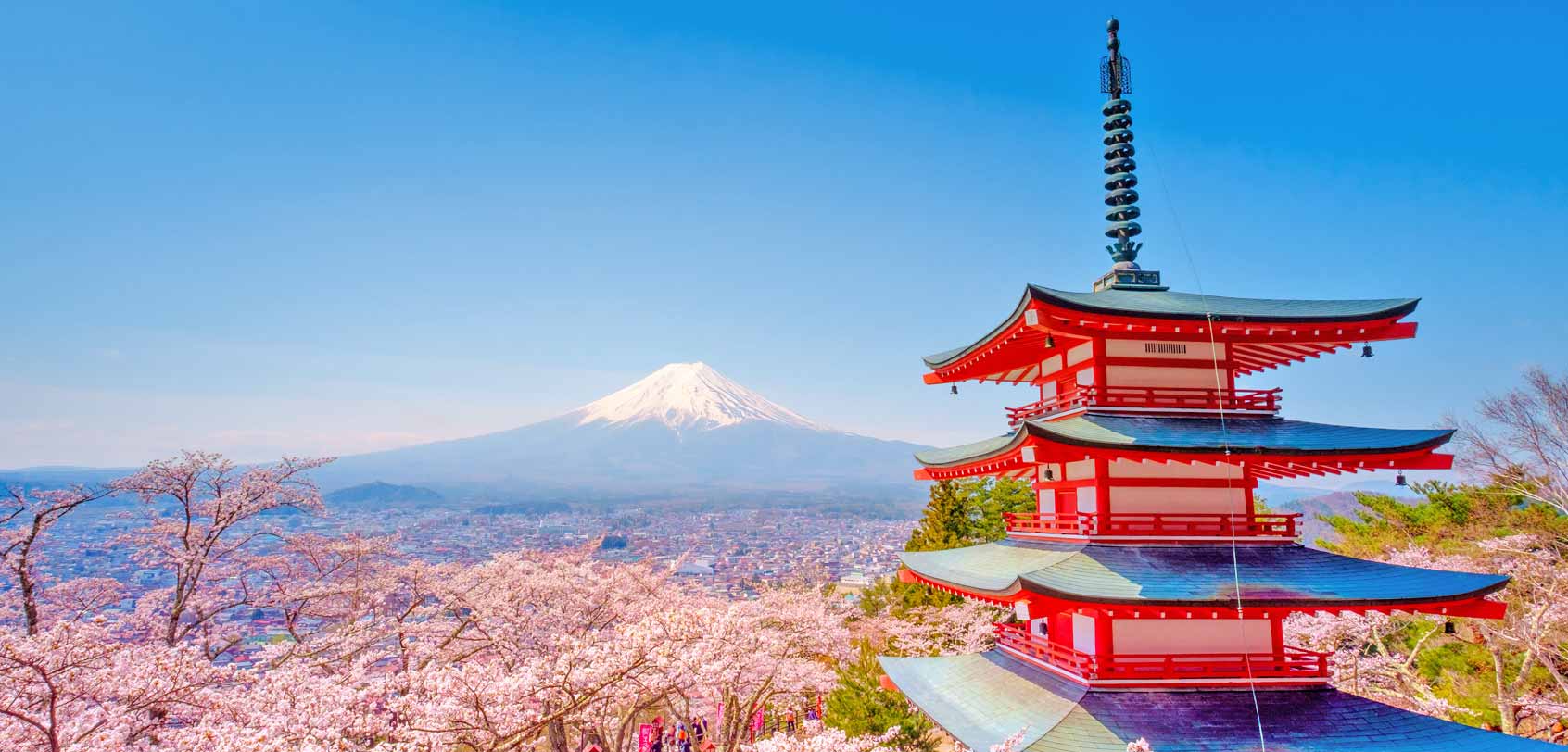
Chureito Pagoda from Shutterstock.com
It’s time to check out Mt. Fuji or ‘Fuji-san’ (it’s how the locals commonly call it).
As the country’s tallest peak, it has been considered one of the most iconic sights in Japan, so it would be a good idea to temporarily escape Tokyo’s bustle and dedicate this day to a bit of nature.
Now, there are several ways to see this active volcano in all its glory, but below are the best locations for viewing it that you must include on your Tokyo itinerary.
– Some people do one of the places below as a day trip, while others as an overnight trip to also experience staying in a ryokan (traditional Japanese inn). It’s totally up to you, but naturally, if you’re short on time, making it as a day trip would be enough.
– Clouds often block the view of Mount Fuji so you have to consider yourself as lucky if you get a clear view of it (it’s only visible for about 80 days a year). It is said that visibility tends to be better during the colder seasons of the year than in summer. Otherwise, it’s great in the early morning or late evening hours compared to the middle of the day.
- ★ Hakone: (1hr from Tokyo) This is part of the Fuji-Hakone-Izu National Park, and it is famous not only for its natural beauty and lake views of Mt. Fuji, but also for its hot springs (onsen). Other attractions that you can check out here are the huge scenic torii gate by the lake, Owakudani (sulfurous vapor rivers), Hakone Shrine (the area’s most famous Shinto shrine), Hakone Tozan Railway (scenic mountain railway line), and Hakone Ropeway (great views over the active Owakudani valley).
- To save up on transportation costs, get a Hakone Free Pass to gain unlimited travel on eight transportation options, including the Hakone Sightseeing Cruise (Pirate Ship), Hakone Tozan Train, Hakone Tozan Bus, Hakone Tozan Cable Car, and Hakone Ropeway.
- For a hassle-free experience, you can take a Hakone day tour that already includes a stop at Mt. Fuji and some other interesting activities like a lake cruise and more.
.
- ★ Fuji Five Lakes: (2hrs from Tokyo) The Fuji Five Lakes is a region that lies at the northern base of Mount Fuji, and among them, Lake Kawaguchiko is the easiest to access, with a lot of interesting things to do. This is a great inclusion in your Tokyo itinerary, especially if you also want to try out a typical Japanese onsen (given that it’s a hot spring resort town). Don’t forget to also try the Kachi Kachi Ropeway for panoramic views of the area.
- For a hassle-free experience, you can take a Mt Fuji day tour to this lake region with the inclusion of Kachi Kachi Ropeway, and more.
- A different option is to go to Chureito Pagoda (pictured above), which is still part of Fuji Five Lakes but not found within Lake Kawaguchiko. This spot is a favorite among photographers, especially during spring or autumn, and it’s easy to see why! (This tour includes this pagoda as a stop).
.
- Kamakura: (1hr from Tokyo) Apart from offering great views over Mt. Fuji, Kamakura is also well known for its Great Buddha bronze statue that towers at around 11 meters. If you’re into nature, this coastal town also has great hiking trails and beaches. Not to mention that it holds numerous temples and shrines like the famous Hasedera Temple and Hachimangu Shrine.
- For a hassle-free experience, you can do a Kamakura + Enoshima day tour.
.
- For a hassle-free experience, you can do a Kamakura + Enoshima day tour.
- Enoshima: (1hr from Tokyo) This is a touristic island that offers a variety of attractions (Enoshima Shrine), beaches, parks, an observation tower, and caves (Iwaya Caves). If I say so myself, doing a Kamakura + Enoshima day tour would be ideal if you want to check out both of these towns.
. - Fuji Shibazakura Festival: (2hrs from Tokyo) This is a famous time-limited event that is usually held at Fuji Motosuko Resort from the middle of April to late May. If you have the time, I recommend doing a sakura tour of this festival as it features over 80,000 blooming shibazakura (pink, red, and white mountain phlox flowers) over 6 acres of sloping hills. Pair this off with a great view of Mt. Fuji, and it instantly becomes an Instagrammable spot!
Other Options Near Tokyo
◘◘ Other Day Trip Options from Tokyo

Below are other interesting day trips that you can do for your Tokyo itinerary!
- ★ Nikko: (2hrs from Tokyo) As a town found at the entrance to Nikko National Park, it is most famous for its Toshogu Shrine, which is elaborately decorated. Other than this, due to its mountainous terrain, sights like the Kanmangafuchi Abyss (a walking trail through a gorge) and Shinkyo Bridge (a sacred bridge leading to Nikko’s shrines) are a must-do for your Tokyo itinerary.
- TIP: For a hassle-free experience, you can do a Nikko day tour from Tokyo that includes stopovers at Tochogu Shrine, Kegon Falls, Tsukiji Hitachiya & Futarasan Shrine.
.
- TIP: For a hassle-free experience, you can do a Nikko day tour from Tokyo that includes stopovers at Tochogu Shrine, Kegon Falls, Tsukiji Hitachiya & Futarasan Shrine.
- Yokohama: (1hr from Tokyo) This is Japan’s second-largest city, and it has one of the world’s largest Chinatowns. A lot of visitors also tend to include Yokohama in their Tokyo itinerary because of its Cup Noodles Museum and Ramen Museum. Otherwise, Yokohama’s waterfront is a sight to see if you just head to the city’s park.
- TIP: You can avail of a ‘Yokohama and Kamakura Enjoy Pass‘ to enjoy the major sightseeing attractions in these cities.
.
- TIP: You can avail of a ‘Yokohama and Kamakura Enjoy Pass‘ to enjoy the major sightseeing attractions in these cities.
- Kusatsu: (3hrs from Tokyo) This is a sound trip to make if you want to visit one of Japan’s most famous hot spring resorts. In fact, Kusatsu Onsen is blessed with large volumes of high-quality spring water, which makes it popular among locals and tourists alike. You will love the atmosphere here as you find almost everyone wearing yukata/kimono on the streets. Otherwise, when winter comes, the town becomes a great ski resort to visit.
. - Chichibu: (2hrs from Tokyo) This city is a great place to escape to during your Tokyo itinerary if you want to get away from the city. After all, its forested mountains provide impressive nature views and hiking opportunities. One of the most sought-after events here is the Chichibu Night Festival in December and its Hitsujiyama Park in Spring (for its beautiful pink moss park).
Explore the Rest of Tokyo
Naturally, there’s more to Tokyo than the sights I’ve mentioned in days #1 and #2 above. So in order to fill up your Tokyo itinerary with other activities for your extra days in the capital, below are some considerations that you can make.
◘◘ Other Places West of Tokyo

Where to eat in Roppongi?
Where to sleep in Roppongi?
- ROPPONGI HILLS: Up to do partying for your Tokyo itinerary?! If your answer is a resounding YES, come dive into the best nightclub scene over at Roppongi! This district is famous among locals and expats alike — which is not surprising given how Roppongi Hills is one of Japan’s richest and largest property developments.
. - Mori Tower: As one of Roppongi’s most recognizable landmarks, Mori Tower is home to offices, shops, restaurants, and cultural attractions. One of its biggest highlights is Tokyo City View, an observation deck on the 52nd floor offering incredible views of the capital, including Tokyo Tower and the surrounding skyline. I particularly recommend visiting around sunset if you’d like to see Tokyo transform into a glittering sea of city lights!
- Check the official website before visiting because opening hours and access arrangements can change depending on exhibitions and special events
- TIP: To enjoy the picturesque rooftop views on Mori Tower’s 52nd floor, just book an Observation Deck ticket online.
- Below Mori Tower, you will find a giant spider sculpture called Maman, which means ‘mother’ in French. This is made by the artist Louise Bourgeois.
- Tokyo Midtown is yet another building that you can go into if you’re up for more shopping and entertainment.
- During Christmas season, head to the area in Mori Tower that faces Keyakizaka Street in Roppongi Hills to see a great view of Tokyo Tower being illuminated by the street lights. Whereas if you go to Tokyo Midtown, you will find the Starlight Garden, which has over 280,000 lights that are magically spread out on the grounds!
.
- ★ Tokyo Tower: At a height of 333 meters, this is like a replica of the famous Eiffel Tower. Built after Japan’s post-war rebirth, this used to be the country’s tallest tower — until Tokyo Skytree was made in 2012. Despite this fact, the tower’s prime location is still a splendid place to see a panoramic view of the city. There are 2 observatories here: the main one at 150m high and the special one at 250m high.
- Tokyo Tower offers different admission options depending on which observation deck you want to visit. As of November 2026, adult admission to the Main Deck (150m) starts at ¥1,500, while the Top Deck Tour includes access to both the 150m and 250m observation decks, with online tickets starting at ¥3,300. Prices and ticket packages may change, so I recommend checking the official booking website before your visit.
- TIP: Book your tickets online for a lower price
.
- Nightlife: Roppongi is one of Tokyo’s most popular nightlife districts, with plenty of international bars, clubs, and entertainment venues to choose from! However, if you’re unfamiliar with the area, it’s best to research your destination beforehand instead of following strangers who approach you on the street. Some establishments use aggressive solicitation tactics or may charge unexpected fees, so always check the venue’s reputation, admission charges, and drink prices before entering.
- TIP: For a more relaxed evening, consider enjoying cocktails at one of Roppongi’s well-established hotel bars or visiting a reputable venue you’ve researched in advance.
- For the best clubs to go to, I suggest Jumanji55 or V2 Tokyo which all have a good mix of locals and foreigners. Better yet, get this Tokyo Nightclub Pass that grants you UNLIMITED entry to the top 7 nightclubs in Tokyo!
.
- Hie Shrine: For your Tokyo itinerary, you don’t need to travel all the way to Kyoto to witness a Shinto shrine with multiple iconic red torii (traditional Japanese gate) because you can find this right in the heart of the capital! Otherwise, there’s also a similar one called Nezu Shrine.
– – –
◘◘ Other Places East of Tokyo
- MARUNOUCHI: Chiyoda is referred to as the political center of Tokyo, and it is here in Marunouchi where you will see the aforementioned government institutions.
- Imperial Palace: This is the main residence of the Emperor of Japan, and it’s actually a massive park surrounded by moats. It contains buildings including the palace, private residences of the Imperial Family, offices, museums, and more.
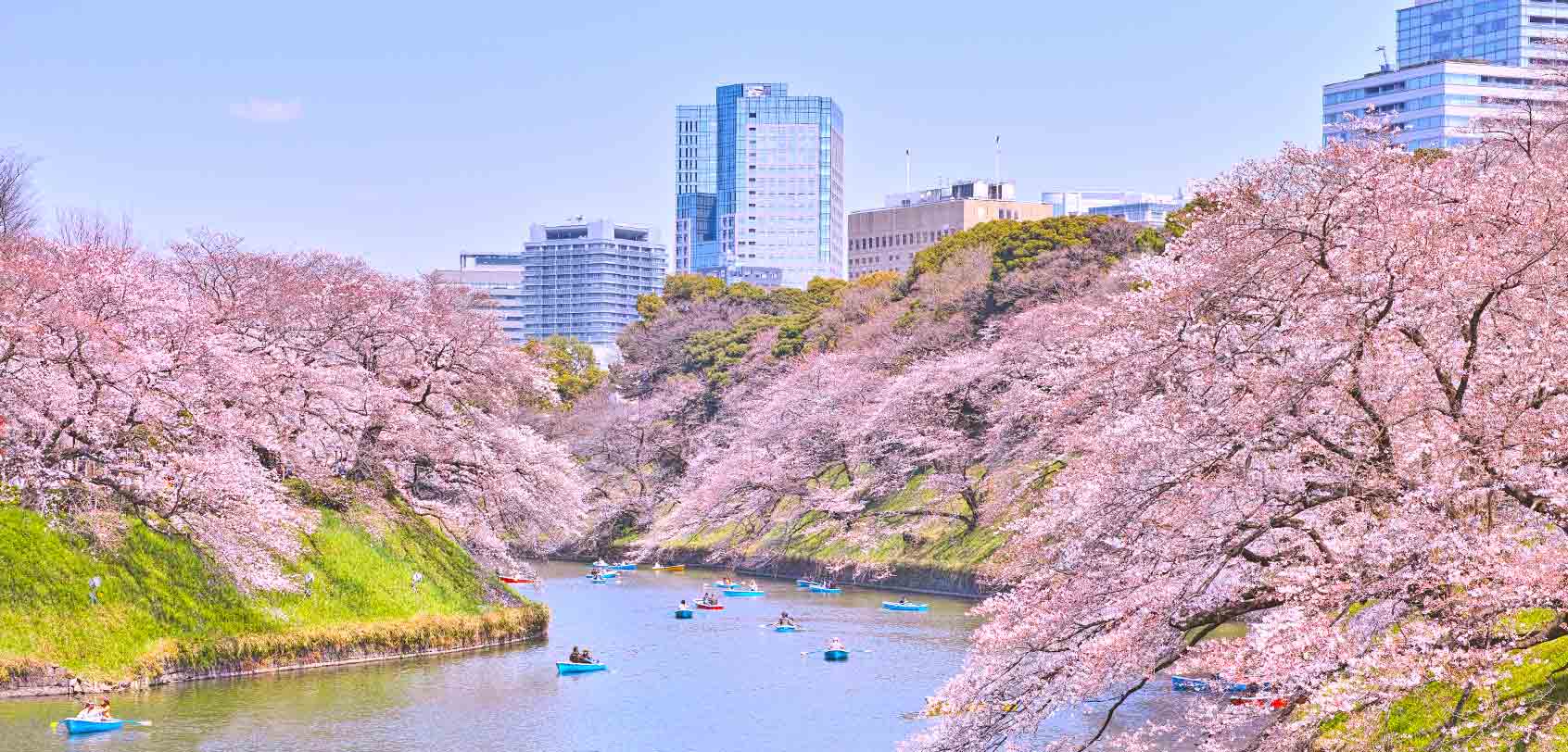
- ★ Chidorigafuchi: Located just in the northwest section of the Imperial Palace is this moat section. This area is highly recommended during sakura season as it is one of the best spots for hanami (cherry blossom viewing). To add: they regularly light up the trees at night during that period, and then you can even rent boats there!
- Tokyo Central Railway Station: This is the busiest railway station in Japan in terms of the number of trains per day, and it’s quite a sight to see! For starters, you’ll instantly find this building because of its red brick appearance — a look that survived from when it was first opened in 1914.

Where to eat in Odaiba?
Where to sleep in Odaiba?
- ODAIBA & TOYOSU: As a man-made island, it was originally built to protect the city against possible sea attacks; today, however, the island has transformed into a futuristic business and residential area.
- DiverCity Tokyo Plaza: This popular shopping and entertainment complex is a great place to explore if you’re into Japanese pop culture, anime, and shopping! Apart from its wide selection of stores and restaurants, anime fans can check out THE GUNDAM BASE TOKYO, which features an impressive collection of Gundam model kits and merchandise. Take note that the famous life-size Unicorn Gundam statue outside the complex ended its exhibition in August 2026, but the mall and Gundam-related shopping experiences remain open.
-
- Fuji TV Area: This is called such because of how the Fuji TV Building (one of Japan’s biggest TV stations) towers above everything else. As a visitor, you could definitely go into Fuji TV’s observatory deck that’s located in the circular portion of the building. Other things to see around here would be the shopping mall of Decks Tokyo Beach and the scenic Rainbow Bridge (which looks dashing at night, and where you can also find a replica of the Statue of Liberty)
-
- Odaiba Waterfront & DECKS Tokyo Beach: If you’re looking for a relaxing place to stroll, shop, and enjoy scenic views, head to Odaiba’s waterfront! This area offers beautiful views of Rainbow Bridge and Tokyo’s skyline, especially during sunset and in the evening. You can also explore DECKS Tokyo Beach, a popular shopping and entertainment complex with restaurants, stores, and indoor attractions. It’s a great place to spend a leisurely afternoon without having to rush from one attraction to another.
- teamLab Planets & teamLab Borderless: If you love immersive art installations, you absolutely shouldn’t miss Tokyo’s famous teamLab experiences! However, take note that the original teamLab Borderless in Odaiba closed in 2022 and relocated to Azabudai Hills, where it reopened in 2024.
- Another incredible option is teamLab Planets in Toyosu, which offers interactive digital artworks that invite visitors to experience art with their whole bodies. Both attractions are spectacular, but they’re located in different areas of Tokyo, so plan your itinerary accordingly!
- TIP: Book your tickets online for a lower price
- Book your tickets in advance because popular admission slots can sell out, especially on weekends and holidays.
- ★ Tokyo Toyosu Manyo Club: Want to experience Japan’s famous hot spring culture without traveling far from the capital? Then check out Tokyo Toyosu Manyo Club, a modern onsen complex located near Toyosu Market! Here, you can relax in various hot spring baths, enjoy traditional Japanese-style facilities, and even take in scenic views from its rooftop footbath area. It’s a lovely way to unwind after a long day of sightseeing, especially if you’re looking for something relaxing and different from Tokyo’s busy shopping districts.
- TIP: Book your tickets online for a lower price
- The facility is located in Toyosu rather than Odaiba itself, so check your transportation route before visiting. Also review its bathing rules, tattoo policy, and admission packages in advance.
- ★ Tsukiji Outer Market & Toyosu Market: Tokyo is a paradise for food lovers, and these two markets are among the best places to discover Japan’s incredible seafood culture! Tsukiji’s famous wholesale fish market relocated to Toyosu in 2018, but the original Tsukiji Outer Market remains a bustling destination filled with seafood stalls, restaurants, specialty food shops, and delicious local snacks. If you’re interested in seeing the wholesale market and learning about Tokyo’s tuna auctions, head to Toyosu Market instead.
- TIP: Book a guided tour online for the best immersion
- I recommend visiting Tsukiji Outer Market in the morning because many shops close relatively early. If you want to observe the tuna auctions at Toyosu, check the latest visitor procedures and reservation requirements before going.

Photo from Sean Pavone/Shutterstock
Where to eat in Ginza?
Where to sleep in Ginza?
- GINZA: Tokyo’s most famous upmarket shopping, dining, and entertainment district.
- ★ Yurakucho: Yurakucho is a striking yet relaxing contrast to the nearby upscale Ginza district, mainly because of its traditional-looking restaurants that are built beneath the train tracks of the JR Yamanote Line — called Gado-shita (which literally means: below the girders). As a visitor, I assure you that one look at Yurakucho will make you feel as if you’ve taken a trip back in time during Japan’s early postwar period! Nowadays, a lot of Japanese salarymen have made this location their favorite dining place after work as they flock to izakaya (Japanese-style bars highlighted by their red lanterns called akachochin) and yakitori (grilled skewered chicken dishes) restaurants.
- TIP: Make the most of this area’s local flavors and drinking spots during your Tokyo itinerary by doing a ‘Tokyo After 5‘ tour!
- Chuo Dori: As the main shopping street in Ginza, you will find here all the major brand shops, department stores, and restaurants possible. At night, you will definitely be feasting upon its blinding yet beautiful neon lights. Some of the notable buildings here include Wako (with the iconic Hattori Clock Tower), Hermes, Dior, and Zara, among many others.
- If you want the best ‘festive’ experience of this street, I suggest walking through here on weekends from 12PM to 5PM (until 6PM during April to September) because it is customarily closed to automobile traffic — an event known as ‘Pedestrians’ Paradise’.
- Depachika: This is a combination of the words depato (department store) and chika (basement). In Japan, most of the big department stores such as Mitsukoshi have their basement floor made into some sort of food market — but actually, if I have to describe it myself, I will call it a ‘food theme park’ because you can get to have a fun yet quick introduction into the VAST variety of Japanese food there — including square watermelons and insanely priced strawberries! Anyhow, the stalls are very generous with giving away samples too; so if you’re on a budget, you really don’t have to buy something (though it will be respectful to do so, naturally haha).
- ★ Yurakucho: Yurakucho is a striking yet relaxing contrast to the nearby upscale Ginza district, mainly because of its traditional-looking restaurants that are built beneath the train tracks of the JR Yamanote Line — called Gado-shita (which literally means: below the girders). As a visitor, I assure you that one look at Yurakucho will make you feel as if you’ve taken a trip back in time during Japan’s early postwar period! Nowadays, a lot of Japanese salarymen have made this location their favorite dining place after work as they flock to izakaya (Japanese-style bars highlighted by their red lanterns called akachochin) and yakitori (grilled skewered chicken dishes) restaurants.
Extra Activities and Destinations
Naturally, there’s more to Tokyo than the sights I’ve mentioned in days #1 and #2 above. So, in order to fill up your Tokyo itinerary with other activities for your extra days in the capital, below are some considerations that you can make.
◘◘ Near Tokyo

- ★ Tokyo Disneyland and DisneySea: For some good ol’ fun with your family and/or friends, check out the popular Disneyland and DisneySea for your Tokyo itinerary. You can visit both theme parks, but it’s best to dedicate 1 day to each place. If you can only visit one, I personally think that DisneySea would be a great choice because it is one of a kind in the whole world!
- To book discounted tickets, reserve your spot here.
- Tokyo Disneyland and Tokyo DisneySea are located in Urayasu, Chiba Prefecture, just outside central Tokyo. I recommend dedicating one full day to each park if you want to experience both. Tickets are date-specific, and prices vary depending on your visit date, so book ahead and check the official Tokyo Disney Resort website for the latest rates and park schedules.
.
- Sanrio Puroland: Enter the kawaii world of Japan’s famous Sanrio characters comprising Hello Kitty, Gudetama, Melody, and so many others! It’s primarily geared toward kids, but if you’re a Sanrio fan, this theme park is ideal for people of all ages! I’m a huge fan of Gudetama, and I fell in love with this place instantly.
- To book discounted tickets, reserve your spot here.
.
- To book discounted tickets, reserve your spot here.
- Ghibli Museum: If you’re a fan of Studio Ghibli’s enchanting animated films like Spirited Away, My Neighbor Totoro, and Princess Mononoke, this is one attraction you shouldn’t miss! Located in Mitaka, the museum takes visitors into the imaginative world of Hayao Miyazaki and Studio Ghibli through fascinating exhibits, whimsical architecture, and exclusive short-film screenings.
- Tickets must be reserved in advance, and you cannot simply purchase admission at the museum entrance. Tickets for the following month normally go on sale on the 10th of each month at 10AM Japan time through the official ticketing system, so plan accordingly!
- To book discounted tickets, reserve your spot here.
– – –
◘◘ Outside and Far from Tokyo

- SOUTH OF JAPAN
- ★ Kyoto: Naturally, this historic place is a given and it can be easily reached via the shinkansen or bullet train.
- For a detailed guide on what to do in Kyoto, see this Japan itinerary.
- Osaka & Nara: Osaka is known for its nightlife and street food, whilst Nara is for its deer parks. See this Japan itinerary guide for what you can do.
- Hiroshima: Mainly well known for its aspirations of tranquility with its Peace Memorial Park, this page can help guide you on your top must-dos.
- ★ Kinosaki: Located about 3 hours away from Kyoto, this is a pleasant onsen town that has a great atmosphere. I stayed here before for 2 nights and I loved strolling around the town in my yukata and geta (wooden clogs), feeling like a local! After all, everyone (locals and foreigners alike) who visit the town almost always wears the same attire when going about the place onward to the public baths — so it’s quite a sight to see. Truly a great addition to your Tokyo itinerary!
- ★ Okinawa: As Japan’s southernmost prefecture, this is often a choice destination for locals during the summer due to its abundant marine wildlife, pristine beaches, and beautiful coral reefs. Consequently, snorkeling and scuba diving are the top main activities when on these islands.
- See here for a list of things to do in Okinawa.
- Himeji: This place is most famous for its Himeji Castle which is typically considered to be Japan’s most beautiful surviving feudal castle. Because of this, it is both a UNESCO World Heritage Site and a national treasure.
- Kobe: As the capital of Hyogo prefecture, I guess the first thing that pops into your mind now is the popular mouth-watering Kobe beef, a famous local brand of wagyu (Japanese beef) meat. Truth be told, you can eat Kobe beef in any restaurant around Japan that is accredited to sell it so you don’t necessarily need to go to this place — however, if you’re a true aficionado, this place is great to see! Either way, as a port city, Kobe is well-liked not only for its tasty local beef but also for its sake breweries, Mount Rokko, Chinatown, Harborland, and more.
- See here for a list of things to do in Kobe.
- ★ Kyoto: Naturally, this historic place is a given and it can be easily reached via the shinkansen or bullet train.


- NORTH OF JAPAN
- ★ Hokkaido: With magnificent unspoiled nature, Hokkaido is a haven for a lot of outdoor lovers, most especially during winter time as it is a great place for skiers and snowboarders (most especially the ski resort town of Niseko). Moreover, the capital of Sapporo holds an annual Snow Festival which features large snow sculptures. Of course, Hokkaido doesn’t disappoint in spring and summer either with attractions like Kamiyubetsu Tulip Park, Furano lavender fields, Tenjin Wisteria, Sapporo Lilac Festival, and more.
- See here for a list of things to do in Hokkaido.
- ★ Niigata: This is a prefecture within Chubu or Central Japan and it is one of the country’s top culinary and getaway hotspots. I went on a travel spree here before and I loved my stay! To see a complete itinerary guide, see here.
- Nagoya: Also found within the Chubu region is Nagoya which is known for its towering castle. Other notable sites are as follows: Korankei, City Science Museum, Atsuta Shrine, and Railway Museum. For food, check out Sekai no Yamachan, a famous izakaya (Japanese pub) in the city that serves flavorful “legendary chicken wings”.
- Kanazawa: This is the capital of the Ishikawa prefecture and it boasts historical attractions as well as its ‘Kenrokuen‘ — said to be one of the 3 best landscape gardens in Japan.
- Kiso Valley: Nestled within Nagano prefecture is this valley which holds an ancient 70km trade route called Kisoji which was later on combined with other routes forming the 500km long Nakasendo. Today, nearby post towns of Magome, Tsumago, and Narai are flocked by visitors not only to hike through the Nakasendo but to also revel in the traditional stone paths and wooden buildings of these quaint towns.
- Matsumoto: One of Japan’s finest cosmopolitan cities that still have that rural feel. Rest assured, this is the kind of place that can keep you occupied, with its stunning castle, captivating districts, and enchanting vistas.
- ★ Shirakawa-go: There is no shortage of picturesque traditional villages in Japan and some of the best from them all would be the UNESCO World Heritage Sites of Shirakawa-gō and Gokayama.
- For more info, read here.
- ★ Takayama: If you’re looking for a thoroughly old and authentic traditional Japanese village, traveling to the city of Takayama in Gifu Prefecture is a must. Truth be told, due to its well-preserved antiquity, it has earned the title of being Japan’s “Little Kyoto” — a title which I agree with!
- Things to do in Takayama
- Tateyama Kurobe Alpine Route: If you’re up for incredible and unique nature activities in Japan, it’s a MUST to visit the stunning mountain sightseeing route that’s commonly referred to as the “Roof of Japan”. A crowd favorite as of late is its grand ‘Snow Wall’ that’s open from mid-April to late June! For more info, read here.
- ★ Yamanouchi: This is a municipality in Nagano prefecture that has the below notable attractions…
- Jigokudani Monkey Park: Have you ever seen those adorable photos online of monkeys bathing in a natural onsen (hot spring)? Well, this is the place where you can find them! The monkeys are called Japanese Macaques or ‘Snow Monkeys’ and they are very accustomed to humans so you can watch them play up close in this park (which is their natural habitat). The park is open all year but if you want the best photos of the monkeys, come from January to February when the park is covered in blinding white snow and the monkeys come bathing in the hot spring.
- You can do this as a tour on your itinerary with Klook.
- Shibu Onsen: An old-fashioned hot spring town
- Shiga Kogen Resort: The largest ski resort in Japan.
- Jigokudani Monkey Park: Have you ever seen those adorable photos online of monkeys bathing in a natural onsen (hot spring)? Well, this is the place where you can find them! The monkeys are called Japanese Macaques or ‘Snow Monkeys’ and they are very accustomed to humans so you can watch them play up close in this park (which is their natural habitat). The park is open all year but if you want the best photos of the monkeys, come from January to February when the park is covered in blinding white snow and the monkeys come bathing in the hot spring.
- ★ Hokkaido: With magnificent unspoiled nature, Hokkaido is a haven for a lot of outdoor lovers, most especially during winter time as it is a great place for skiers and snowboarders (most especially the ski resort town of Niseko). Moreover, the capital of Sapporo holds an annual Snow Festival which features large snow sculptures. Of course, Hokkaido doesn’t disappoint in spring and summer either with attractions like Kamiyubetsu Tulip Park, Furano lavender fields, Tenjin Wisteria, Sapporo Lilac Festival, and more.
The Best Tours in Tokyo?
Come and check out this list of the top things to do in Tokyo, which features the best activities and tours in and out of the city!
– – –
» Frequently Asked Questions
There is NO tipping culture in Tokyo in general. If you end up giving someone a tip, they’ll mostly be confused about why, and they will surely end up giving the money back to you. Sometimes, it’s even considered rude and insulting if you tip them.
Tokyo typically uses two plug types: type A (two flat parallel pins) and type B (two flat parallel pins and a grounding pin at the bottom). Tokyo primarily uses Type A electrical outlets (two flat parallel pins), although some grounded outlets also accommodate Type B plugs. Japan operates on 100V electricity, but the frequency differs by region: 50Hz in eastern Japan, including Tokyo, and 60Hz in western Japan, including Osaka and Kyoto. If you’re bringing appliances from abroad, check that they’re compatible with Japan’s voltage before plugging them in.
It’s best to base yourself in the district that you’ll be exploring the most. If you ask me, though, Shinjuku and Shibuya are the best areas to base yourself in due to the number of key places and shops that surround them. But of course, this isn’t to say that the other areas are not ideal, because they can be as dependent on your preference and budget.
For instance, Shinjuku and Shibuya are excellent bases for first-time visitors who want convenient transport, shopping, and nightlife. Asakusa is ideal for those who prefer traditional surroundings and a quieter atmosphere, while Ginza is perfect for luxury shopping and upscale dining. Ueno is another good option for budget-conscious travelers, especially if you’re planning day trips. If you’re visiting Tokyo Disneyland or DisneySea, consider staying near Maihama or within the Tokyo Disney Resort area. For a complete list, check out my guide to the best hotels in Tokyo. For a complete list, see this list of the best hotels in Tokyo.
You could flag down a taxi, or an Uber, ride the bus, rent a bike, or go on foot; but if you want to be efficient and fast, the trains are the way to go! Now, Tokyo’s train system is dense and extensive — so it can be very confusing. However, all throughout my stay in Tokyo, I’ve managed to make it less complicated by simply using Google Maps (mapping my point A and point B and then checking out the directions for the subway/train/bus. It even has real-time walking navigation and an offline option!)
Google Maps does NOT work offline if you want routes or transportation schedules during your Tokyo itinerary, so I recommend that you get a pocket WiFi or a SIM Card to stay connected online (look into an eSIM as well, as it is more hassle-free; I use them more and it’s super convenient).
• Tokyo’s trains generally start running around 5AM, with most lines stopping around midnight, although schedules vary. For convenience, I recommend using a rechargeable IC Card such as Suica or PASMO instead of purchasing individual tickets for every journey. Paper tickets are also available from station machines, while some services offer additional payment options. Make sure to check the accepted payment methods for the particular railway or ticket you’re purchasing since sometimes it can only be done with cash or coins at the ticket machine. Credit cards are often also only applicable when buying long-distance bullet train tickets.
• If you’re traveling by train during rush hour, be wary that it can get crazy crowded. If you’re a woman, you can ride the front carriages that are designated only for females (this is only during weekdays until 9AM).
• You will notice that when using escalators in Tokyo, you’ll often notice people standing on the left. However, for everyone’s safety, it’s best to remain stationary, hold the handrail, and avoid walking or running on escalators. Always follow the posted signs and local instructions.
• When riding in taxis, the left rear door is operated automatically by the driver, so don’t try to open or close it by yourself. – There are several train etiquettes that you should remember when in Japan, number one of which is to keep the noise down to a minimum.
So when it comes to local train tickets in Tokyo, there are several types that you can choose from, but what I would highly recommend is that if you’re only planning on traveling INSIDE Tokyo, buy the prepaid IC cards (like Suica) that can be used on any train or bus in the city.
NOTE: Another option worth considering is the Tokyo Subway Ticket, which provides unlimited rides on Tokyo Metro and Toei Subway lines for 24, 48, or 72 consecutive hours. As of 2026, adult tickets cost ¥1,000, ¥1,500, and ¥2,000, respectively. However, these passes do NOT cover JR trains, such as the popular Yamanote Line. I recommend comparing the pass price with your estimated subway fares because it generally makes sense only when you’re taking several eligible rides during its validity period.
On the other hand, if you’re planning to explore destinations outside Tokyo, such as Kyoto, Osaka, or Hiroshima, you might want to consider a Japan Rail Pass or JR pass. However, don’t automatically assume that the pass will save you money! Depending on your route, buying individual Shinkansen tickets or regional rail passes might be cheaper. I recommend calculating your expected transportation costs first before purchasing a nationwide JR Pass. To help you decide, read my detailed Japan Rail Pass guide.
Japan’s entry requirements depend on your nationality, passport, and purpose of travel. Some travelers can enter visa-free for short visits, while others must obtain a Japan visa before departure. Before your trip, always check the latest requirements through Japan’s Ministry of Foreign Affairs or your nearest Japanese embassy.
You can also use Visit Japan Web to complete eligible immigration and customs procedures online before arriving.
Come and check out this list of the top things to do, which features the best activities and tours to do in Tokyo’s Asakusa, Shibuya, and more!
Want a detailed Japan travel guide?
For more info about the best months to visit Tokyo, how to get around, etc. — come and read my Japan Itinerary guide!
• • •

Overall
I hope this all helped make things clearer for you as you map out your Tokyo itinerary. Feel free to also tweak it and make full use of the extra activity suggestions in order to make your trip shorter or longer and better fitting for your travel style.
All in all, do let me know how your trip goes, and do enjoy!
The post Tokyo Itinerary: The Ultimate 1–5 Day Guide for First-Time Visitors appeared first on I am Aileen.