


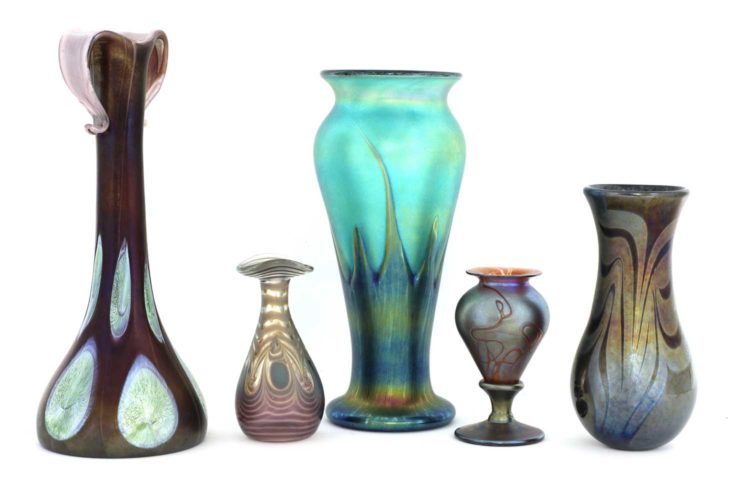
Collecting art glass can be immensely rewarding. Few art forms combine colour, light, craftsmanship and sculpture so successfully. From a small hand-blown vessel to a substantial contemporary glass sculpture, every piece changes as the light and surroundings change.
Art glass also has an extraordinary history. Major museum collections span thousands of years, while contemporary artists continue to develop new techniques and forms. The V&A describes glassmaking as a history of continually evolving decorative styles and techniques, including blowing, casting, engraving, cutting, filigree, overlay and iridescence.
For new collectors, however, knowing where to begin can be difficult. This guide explains what to look for when buying art glass and how to build a collection with confidence.
What Is Art Glass?
Art glass is glass created primarily for its artistic or decorative value rather than purely for practical use. It includes hand-blown glass, studio glass, glass sculpture, cast glass, kiln-formed glass, engraved glass and contemporary glass vessels.
Some pieces are created entirely by one artist. Others are collaborative, involving specialist glassblowers, cutters, engravers and cold-workers.
Understanding technique matters because it helps you appreciate the skill behind a piece. A seemingly simple sculpture may have required several firings, extensive cutting and many hours of polishing before completion.
Collect What You Love
The best starting point is simple: buy work that genuinely interests you.
Do not begin by trying to predict which artist will increase in value. Art markets change, and no investment return is guaranteed. Instead, look for pieces you would be happy to own regardless of their future price.
Over time, most collectors naturally develop preferences. You may be drawn to abstract glass sculpture, British studio glass, Czech glass, Scandinavian design, colourful blown vessels or highly polished optical glass.
A focused collection does not need to be planned from the beginning. Often its identity develops organically.
Learn About the Artist
Before purchasing an important piece, research its maker.
Look at the artist’s education, studio practice, exhibitions, awards, gallery representation and public collections. Museum collections and reputable galleries are particularly useful research sources. The Corning Museum of Glass, for example, maintains an extensive online collection documenting glass artists and objects from across more than 3,500 years of glass history.
More importantly, study the artist’s wider body of work. This guide to collecting art glass should be just the beginning of your research journey.
Ask yourself whether the piece represents their established style and whether you can recognise a consistent artistic language. Understanding where an individual work sits within an artist’s career makes collecting considerably more interesting.
Look Closely at Craftsmanship
Quality should always come before quantity.
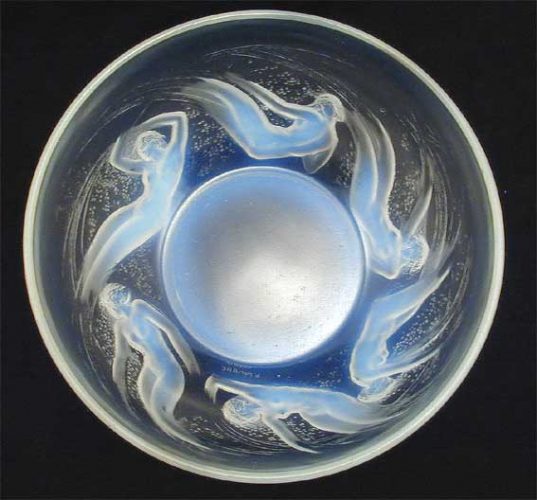
Examine the proportions, surface, finishing and overall execution. With cut or polished glass, inspect the precision of the edges and polishing. With blown glass, consider the balance of the form and the control required to create it.
Small bubbles, tool marks or slight variations are not automatically faults. Handmade glass frequently contains characteristics created during the making process. These can be part of its individuality.
Learning how glass is made will greatly improve your ability to judge it. Techniques such as free blowing, mould blowing, casting, engraving, overlaying and cold-working produce very different results.
Check Condition Carefully
Condition becomes particularly important when buying pre-owned or historic glass.
Look for chips, cracks, scratches, bruising, grinding, cloudiness and previous repairs. Always inspect the base, rim and vulnerable edges.
Ask the seller directly whether the piece has been damaged or restored. Restoration does not necessarily make an artwork undesirable, particularly with historically important glass, but it should be disclosed and reflected in the price.
My old housemaster drilled a hole through the bottom of an old urn to make a table lamp. It turned out the Urn was Roman and worth £500,000 less after his DIY machinations!
For expensive pieces, request detailed photographs from several angles, including the base, signature and any areas of concern. This mirrors the information museum specialists request when assessing unidentified glass objects.
This guide to collecting art glass really just touches the surface, but patience and taking your time with a purchase are most important.
Signatures, Marks and Provenance
Check whether the artwork is signed, dated, numbered or accompanied by documentation.
Signatures alone do not prove authenticity, but they can help establish attribution when considered alongside provenance and specialist knowledge.
Provenance means the history of ownership of an artwork. The Corning Museum of Glass describes it as essentially the object’s biography: where it came from, who owned it and how it moved between owners.
Keep invoices, certificates, artist information, exhibition catalogues, correspondence and original packaging. Photograph the signature and artwork when you acquire it.
Good documentation can become increasingly important as a collection ages.

Limited Editions or Unique Pieces?
Both can be highly collectible.
A unique sculpture offers exclusivity, while a limited edition can provide access to an important artist at a more approachable price.
With editions, establish exactly what you are purchasing. An inscription such as 3/25 normally indicates the third piece in an edition of 25.
Do not assume that unique automatically means better. Artistic quality, importance within the artist’s work, condition and provenance matter more than rarity alone.
Buy From Reputable Sources
Specialist galleries, established dealers, recognised auction houses and artists’ studios provide valuable expertise.
A knowledgeable gallery should be able to explain who made the artwork, how it was created, its dimensions, condition and whether it is unique or editioned.
Be more cautious when buying expensive glass through general online marketplaces where attribution may be based on guesswork.
If something is described as being “in the style of” a famous maker, do not interpret that as meaning it was made by that artist.
For beginning a second-hand collection of art glass, the best places to go are car boot sales and also on eBay, as they always have a good selection of glass art to suit any budget.
Caring for an Art Glass Collection
Glass is durable but vulnerable to impact.
Display pieces on stable furniture away from busy edges and areas where they could easily be knocked. Large or top-heavy sculptures may benefit from specialist display solutions.
Cleaning requirements vary. Composite artworks incorporating metal, paint, adhesives or other materials may require different treatment from straightforward glass objects. Museum conservation practice recognises handling, storage, cleaning and previous repairs as important parts of caring for glass.
When in doubt, ask the artist, gallery or a professional conservator before cleaning a valuable piece.
You can find our full guide on How To Clean Art Glass here.
Building a Collection Takes Time
There is no need to build an art glass collection quickly.
Visit galleries and museums. Attend exhibitions. Read about glassmaking techniques. Follow artists whose work interests you and compare pieces before buying.
Most importantly, train your eye.
The more glass you see, the easier it becomes to recognise exceptional design, craftsmanship and originality. Over time, your collection should become a reflection of your own taste rather than simply a collection of famous names.
A successful art glass collection ultimately combines knowledge, curiosity and personal connection. Buy carefully, learn continuously and choose pieces that you will still enjoy looking at many years from now.


