
Lil Durk’s Murder-For-Hire Trial: Verdict Confirmed Not Guilty, Next OTF RICO/Racketeering Case VS United States of America


Lil Durk (Durk Banks) federal murder-for-hire trial in Los Angeles (U.S. District Court, Central District of California, before U.S. District Judge Michael W. Fitzgerald): official verdict confirmed Not Guilty!!!. The case stems from the August 19, 2022 shooting. Prosecutors allege a revenge plot targeting rapper Quando Rondo (Tyquian Bowman,) by Timothy “Lul Timm” Leeks, Durk, and OTF associates. Over the 2020 Atlanta killing of Lil Durk associate/friend King Von (Dayvon Bennett).
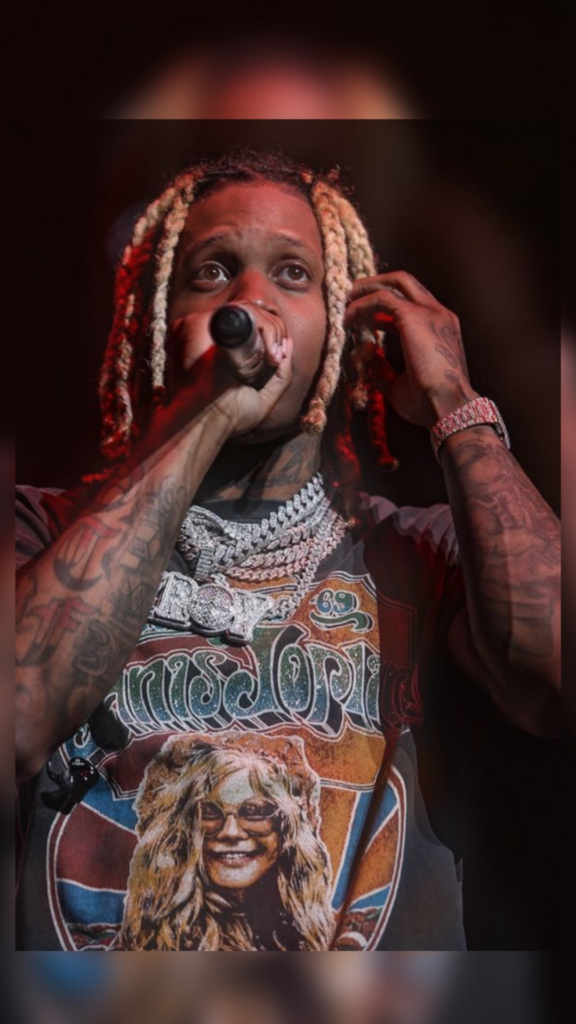
The intended target survived; his cousin Saviay’a “Lul Pab” Robinson was killed. Durk and co-defendants Deandre “OTF DeDe/DeDe” Wilson and David “Browneyez” Lindsey pleaded not guilty to five counts (conspiracy to commit stalking; stalking with a dangerous weapon; stalking resulting in death; conspiracy to use interstate facilities in a murder-for-hire resulting in death; and the substantive murder-for-hire count). A conviction on core counts carries a potential mandatory life sentence. Three others (Kacey “OTF Jam” Hester, Kavon “OTF Vonnie/Cuz” Grant, Keith “Flacka” Jones) pleaded guilty and testified as cooperators. Separate VICAR/racketeering charges are still pending for a later trial.
Court documents (superseding indictments from 2024–2026) allege Durk directed/financed a plot via OTF associates using money, flights (booked via aides/credit cards), vehicles (including stolen ones), guns (including a machine gun), and surveillance/stalking of Bowman in LA. They reference social media pressure to “slide for Von,” texts about not letting it slide, alleged bounties, and prior incidents (some later limited by rulings). Defense successfully severed newer VICAR racketeering counts (involving broader “Banks Gang Enterprise” claims of violence and drugs) in July 2026. Judge limited some rap lyrics/videos as evidence while allowing others; denied motions to dismiss. Durk was held in solitary for months (Apple Watch-related issues raised by defense as cruel/unusual); later released from it.
Major Witnesses and What They Said
Prosecution cooperators (all pleaded guilty, seeking reduced sentences):
Kacey “OTF Jam” Hester (identified as one of the shooters): Longtime Black Disciples/OTF associate; claimed Durk-linked calls directed him to California; group got location drop from a weed dealer; planned hotel/dispensary hit but shifted due to police; ambush was “sloppy”; identified shooters/getaway roles including Wilson on phone with Durk; said he had love for Durk but limited respect; detailed recruitment, masks, guns. Cross-examination highlighted unrecorded interviews, prior crimes, and incentives.
Kavon “OTF Vonnie/Cuz” Grant (Durk’s former assistant/right-hand, close to King Von): Central figure. Testified Durk ordered the hit (“Durk told us to”); arranged stolen cars, guns, surveillance, logistics for LA (and referenced a prior Georgia attempt); private-jet discussions; post-shooting communications. Defense attacked him heavily as manipulative with access to Durk’s accounts/SSN/credit cards, citing a jail call where he described testimony as a “job interview”/“time to shine” and claimed some actions “on my own.”
Keith “Flacka” Jones (another shooter): Claimed he was told “Bro got a million for us” (understood as Durk); flew in expecting payment; risked freedom only for money; contradicted some Hester details on meetings; said he later confronted Durk about non-payment and was directed elsewhere; briefly saw Durk on FaceTime.

Other evidence presented: Flight/credit-card records, texts (including one instructing an aide not to book flights under names tied to Durk), phone data, GPS, surveillance, 911 call, music/videos (partially limited), iCloud material. Prosecutors argued revenge “on his dime,” code of “getback,” and that Durk used fame/money/power.
Defense witnesses (called multiple, including ~9 in one day; Durk and co-defendants did not testify):
Lashawntay Hester (OTF Jam’s wife): Denied the key speakerphone recruitment call happened in her presence.
Shekema Springfield (mother of King Von’s son): Called Grant a “liar and a thief”; said Grant told her he would “take care of it” regarding Von’s death and managed finances closely.
Justin Gibson (sound engineer): On private flight; did not hear alleged targeting conversation.
Others including talent agent Jeremy Marcano (wedding timing explanations for travel texts), family/associates challenging logistics/presence claims, and challenges to investigator bias.
Opening statements: Prosecutors framed the case as a directed revenge plot (“revenge in Los Angeles”) ordered and financed by Durk using OTF resources after King Von’s 2020 death, emphasizing social-media pressure to “slide for Von,” alleged bounty promises, flights, stolen vehicles, guns (including a machine gun), multi-hour stalking of Quando Rondo (Tyquian Bowman), and the fatal August 19, 2022, gas-station ambush that killed Saviay’a “Lul Pab” Robinson instead. Defense countered that the case rested on unreliable cooperators facing life sentences, lacked proof of actual payment or a clear agreement by Durk, and involved gaps in investigation and alternative explanations (e.g., independent actions by others with access to Durk’s resources).
OTF Jam (Kacey Hester) multi-day testimony and cross-examination: Hester (one of the admitted shooters, Black Disciples/OTF associate with a long criminal history including prior attempted-murder time) described meeting Durk years earlier, receiving support from him while incarcerated, studio conversations after Von’s death in which Durk allegedly threatened rivals, a speakerphone recruitment call (claimed Durk was audible in the background) directing him to California, a location “drop” from a weed dealer on Rondo, aborted hotel/dispensary plans due to police presence, the “sloppy” gas-station ambush (he identified roles, including David “Browneyez” Lindsey firing early shots from distance and Deandre “DeDe” Wilson in a getaway vehicle while on the phone with Durk), ski masks/hoodies/guns, and post-shooting feelings that Robinson was an innocent bystander. He said he had love for Durk but limited respect. Defense (especially Brian Steel) attacked unrecorded early interviews, possible rehearsal, incentives for cooperation, inconsistencies, and portrayed him as a career criminal whose word could not be trusted.
Keith “Flacka” Jones testimony with contradictions: Jones (another admitted shooter) said he was told “Bro got a million for us” (understood as Durk), flew from Chicago via San Diego expecting payment because he would not risk his freedom for free, was supplied weapons by Grant, briefly saw Durk on FaceTime during the trip, later confronted Durk about non-payment at a Chicago concert and was redirected, and expressed surprise at Hester and others being in the group. His account conflicted with Hester’s on when/how they first met and some logistics. Defense highlighted that he barely knew Durk and did not name him in his earliest recorded statements.
OTF Vonnie/Cuz (Kavon Grant) testimony (“Durk told us to”): Grant (Durk’s former day-to-day assistant, longtime associate of King Von, described as a cousin figure) was the central cooperator. He testified that Durk ordered the hit, directed him to obtain stolen cars/guns/surveillance for the LA plot (and referenced a prior Georgia attempt on Rondo), discussed targeting on a private jet, arranged logistics including a white BMW and stolen Infiniti, ski masks, and hotel reconnaissance, and that the group acted because “Durk told us to.” He claimed post-shooting communications. Defense portrayed him as the real mastermind who manipulated access to Durk’s credit cards, Social Security number, and accounts, played a jail call in which Grant described his upcoming testimony as a “job interview” and “time to shine” while claiming he had done “certain things… on my own,” and called him a “master of deception” and liar.

Defense witness day(s) challenging calls, presence, and credibility: Defense called roughly nine witnesses in one concentrated period. Lashawntay Hester (OTF Jam’s wife) directly contradicted her husband’s account, testifying that the key speakerphone recruitment call directing him to the airport/California never happened in her presence. Shekema Springfield (mother of King Von’s son, longtime Army service member) called Grant a “liar and a thief,” said Grant managed Von’s finances closely, and testified that after Von’s death Grant told her not to worry because “he’s going to take care of it.” Sound engineer Justin Gibson said he was on the private flight where Grant claimed targeting talk occurred and did not hear it (noting the small aircraft made concealment difficult). Other witnesses included family/associates of alleged participants, talent agent Jeremy Marcano (explaining wedding timing around certain travel texts), and people challenging logistics or presence claims. These aimed to undercut the cooperators’ credibility and the claimed Durk-directed agreement.
Both sides rest; defendants remain silent: Prosecution and defense rested their cases around early September (after the Labor Day weekend period). Durk, Wilson, and Lindsey chose not to testify (a protected right). The defense’s decision not to put Durk on the stand meant the jury would decide based on the cooperators, digital/financial records, and the defense challenges without hearing from the defendants themselves.
Akademiks 2023 interview fights: Defense repeatedly sought to admit additional footage from Durk’s interview with DJ Akademiks. They argued prosecutors selectively used clips in closings to make it appear Durk had effectively confessed or endorsed “slide for Von” retaliation, while fuller context showed Durk saying he did not take Tekashi 6ix9ine’s suggestion seriously. The judge denied or limited the requests (including an emergency mid-deliberations filing), noting closing arguments are not evidence.
Investigator bias accusations: Defense (Findling and Steel) accused the lead LAPD investigator of “implicit bias,” citing a video/reference in which the investigator called Durk a “gangster with money.” They argued this showed the case was driven by targeting a high-profile celebrity rather than neutral investigation.
Text and flight-record debates (wedding vs. plot): Prosecutors highlighted credit-card and booking records for flights and travel tied to the alleged participants, plus a text from Durk to aide Jason Smith after the shooting instructing not to book flights under names connected to him. Defense argued the travel/text context involved a wedding of Durk’s talent agent Jeremy Marcano around the same period and that there was no solid proof linking every booking to a murder plot.
Private-jet claims: Grant testified about conversations on a private flight (returning from Miami or similar) in which Durk allegedly directed him to get cars and advance the plot. Defense witnesses (including Gibson) disputed hearing any such discussion and noted the practical difficulty of private talk on a small aircraft.
Prior Georgia attempt references (limited by rulings): Cooperators (especially Grant) referenced an earlier 2021 Georgia attempt on Rondo involving stolen cars, a trailer, and a shootout. Judge Fitzgerald limited or managed how far these could be used after the VICAR severance, to avoid broader enterprise evidence improperly coloring the specific 2022 charges.
Machine-gun and firearms counts: The indictment and evidence included use/discharge of firearms and a machine gun in furtherance of a crime of violence resulting in death. Cooperators described the weapons supplied for the ambush; these counts carried severe potential penalties tied to the core murder-for-hire allegations.
No-payment admissions by cooperators: Multiple cooperators acknowledged they were never actually paid the claimed bounty or promised money after the shooting. Defense hammered this as fatal to a true “murder-for-hire” theory (“the bounty case with no money”).
Jail calls played against Grant: Defense introduced a recorded jail call in which Grant discussed his cooperation in self-serving terms (“time to shine,” job-interview framing) and claimed independent actions. This was used to portray him as opportunistic rather than truthful.
Jury schedule notes: During the trial, the jury sent notes about the overall schedule/timeline. Judge Fitzgerald addressed them, providing guidance on the expected remaining length while managing his own calendar constraints.
Closing arguments: Prosecution (Assistant U.S. Attorney Ian Yanniello and others) argued the facts were not complex: Durk used money, power, and fame to try to kill his “biggest opp” it was surveillance + stalking + premeditated murder “on his dime,” and the case was about Robinson’s death rather than rap or celebrity. Defense (Steel and Findling) called the cooperators “snitches, corroborators and rats,” described a “tsunami of reasonable doubt,” said there was no proven agreement or payment, accused targeting of a celebrity, and praised Durk as a lyricist and “The Voice,” blessed to express what others think. Outside, “Free Durk” supporters were visible.
In July 2026, U.S. District Judge Michael W. Fitzgerald handed Lil Durk a major pre-trial victory by ruling that the newly added racketeering charges must be severed (separated) from the Los Angeles murder-for-hire trial. Durk’s RICO case (the remaining VICAR charges) is worse for Lil Durk. Both carry a max of life, but the racketeering case alleges he ran a multi-year criminal enterprise involving the 2019 Atlanta shooting, 2022 Chicago murder, drug trafficking, and related violence. That broader scope lets prosecutors use more pattern evidence and makes a conviction harder to beat than the single murder-for-hire plot he just beat.
While the L.A. trial was a narrow battle over a specific shooting, a RICO/VICAR prosecution operates under entirely different rules, making it much harder for a defendant to beat. The “Pattern of Racketeering” Advantage: In the murder-for-hire trial, the defense successfully argued that codefendants acted on their own or that lyrics and text messages were just rap posturing. In a RICO case, prosecutors don’t just have to prove Durk ordered one hit. They only need to prove he managed or participated in a criminal enterprise (Only The Family / OTF) that engaged in a pattern of violence.
The prosecution can now bring in a laundry list of alleged crimes spanning several years. This includes the 2019 attempted murder/shooting in Atlanta and a 2022 murder in Chicago. Even if the defense can cast doubt on one incident, the sheer volume of “pattern evidence,” including drug trafficking, gang ties, and multi-state violence can overwhelm a jury and paint the collective as an ongoing criminal syndicate.
Leverage of Cooperating Witnesses: Sprawling racketeering cases often collapse under the weight of co-defendants flipping. With a broader enterprise charge, prosecutors have more leverage to offer plea deals to lower-level associates in exchange for testimony directly implicating the leadership.
The murder-for-hire charge was a massive victory for Lil Durk’s legal team. However, because the judge severed the racketeering aspects, the federal government gets a second chance with Lil Durk’s OTF RICO/Racketeering Case VS United States of America. They will use a far wider net, multiple years of cross-country evidence, and systemic gang allegations to try to secure the same mandatory life sentence they just missed in Los Angeles.
Be sure to follow @hiphopuntapped for The Latest Hip Hop News, NFT News, Entertainment, Fashion, Concerts, & Sports.
https://linktr.ee/hiphopuntapped


