From cherry blossom to powder snow, here’s the best time to visit Japan from Australia, month by month
Japan has four distinct seasons, and the time of year can completely change the feel of a trip.
Most Australians tend to visit in one of two windows: cherry blossom season in early spring or the ski season during the summer school holidays. Both are excellent times to go, but they are also among the busiest and most expensive.
The better question is not simply when should you visit Japan? It is what you want the trip to look and feel like when you get there.
The short answer
For cherry blossom, aim for the last week of March through to the first week of April in Tokyo and Kyoto.
For autumn colour, November is hard to beat.
For snow in Hokkaido, January and February usually bring the deepest powder.
There are also three particularly busy periods worth planning around: Golden Week, Obon and the New Year holidays. More on those below.

Spring: March to May
The cherry blossom front moves north through Japan over roughly six weeks.
Fukuoka and southern Japan usually flower first, around mid-March. Tokyo and Kyoto tend to peak towards the end of March or in the first week of April, although the exact timing can shift considerably from year to year. Sapporo, much further north, often waits until early May.
If cherry blossom is the main reason for your trip, flexible accommodation is worth considering. Booking exact dates a year in advance can leave you arriving before the trees have bloomed or after the petals have fallen.
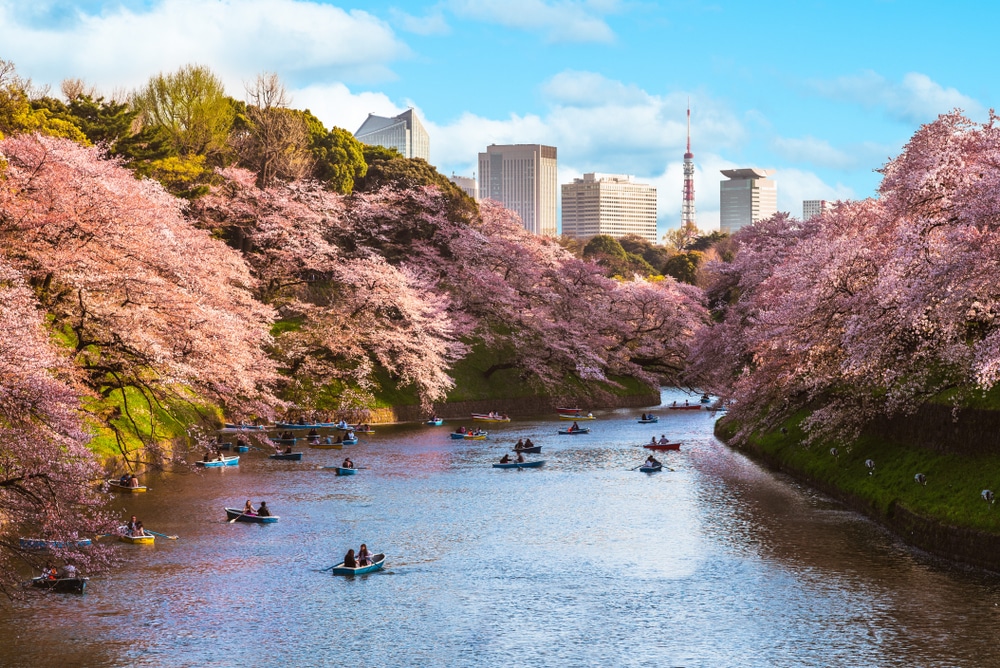
Late April also runs into Golden Week, one of Japan’s busiest domestic travel periods. From 29 April to 5 May, trains and hotels fill quickly, prices rise and major sights become considerably busier.
If your dates are flexible, travelling a week either side can make a big difference.
Autumn: September to early December
November is arguably Japan’s sweet spot, particularly if you have already seen the cherry blossom.
The summer humidity has eased, temperatures are generally comfortable for long days of sightseeing, and the autumn colours move through Kyoto, Tokyo and the Japanese Alps from mid-November into early December.
Hokkaido changes colour much earlier, typically from late September into October.

September still falls within typhoon season. Most trips will be unaffected, but a strong system can disrupt flights and trains for a day or two, so this is one time of year when good travel insurance is particularly useful.
Winter: December to March
Winter lines up neatly with the Australian summer holidays, which helps explain why Japanese ski resorts are so popular with Australian families.
Hokkaido generally sees its best powder through January and February, with Niseko especially busy during this period. December can offer quieter slopes and better prices, while March brings longer days and softer spring snow.

Winter is also an underrated time to explore Japan beyond the ski resorts.
Tokyo, Kyoto and much of Honshu are cold but often dry and clear. Kyoto in January can feel dramatically calmer than during cherry blossom season.
One period to plan around is New Year. From roughly 29 December to 3 January, many small restaurants, independent businesses and attractions close or operate reduced hours.
Summer: June to August
The rainy season reaches much of Honshu in early June and usually lasts until around late July.
Hokkaido largely escapes it, making northern Japan a good option while Tokyo, Kyoto and Osaka experience wetter conditions.
By August, heat and humidity become the bigger issue. Temperatures in Tokyo regularly exceed 30°C and long days of sightseeing can become exhausting, particularly if your itinerary involves plenty of walking.
Mid-August also brings Obon, when millions of people travel around the country to visit family. Trains and accommodation can become heavily booked, and prices often rise.

The busiest weeks to avoid
Golden Week
From 29 April to 5 May, Japan experiences one of its biggest domestic travel periods. Expect busy trains, higher hotel prices and crowded attractions.
Obon
Usually centred around 13 to 15 August, although the busiest travel days stretch either side of those dates.
New Year
From around 29 December to 3 January, transport can be busy and many restaurants, shops and smaller attractions close.
None of these periods will ruin a trip, but they tend to cost more and involve more crowds. If your dates are flexible, travelling either side usually makes for a more relaxed experience.
Flying to Japan from Australia
Japan is one of the more convenient northern hemisphere destinations for Australian travellers.
Direct flights from Sydney and Melbourne to Tokyo take around 10 hours, making it possible to reach Japan without a stopover or losing an entire day in transit.
An overnight flight can also have you arriving in Tokyo in the morning with most of the day ahead.
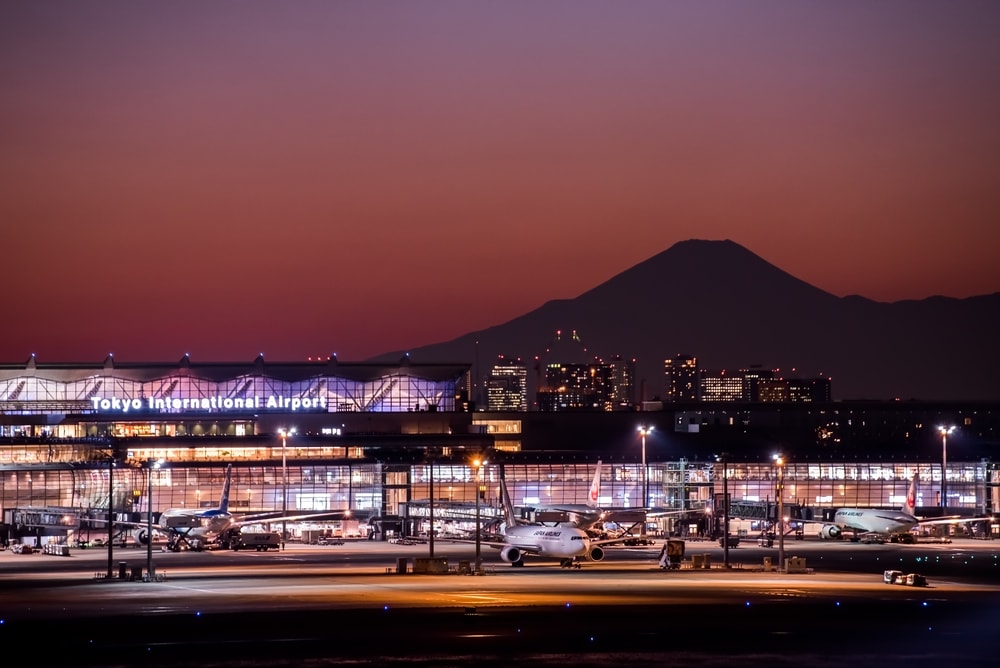
The time difference is minimal too, generally only one or two hours depending on daylight saving in Australia. That means you can skip the kind of jet lag that often eats into the first few days of a European trip.
School holidays are another factor worth considering. The December and January break lines up perfectly with ski season, while the September and October holidays can work well for early autumn in Hokkaido. The June and July holidays, however, fall during the rainy season across much of Honshu.
For families tied to school dates, winter arguably offers the best fit.
What to sort before you fly
A little preparation before departure can make arriving in Japan much easier.
Complete Visit Japan Web
You can enter your immigration and customs information through Visit Japan Web before you leave, which helps speed up the arrivals process.
Australian passport holders can generally visit Japan for up to 90 days without arranging a visa in advance, provided they meet the entry requirements.

Sort your mobile data
Mobile data quickly becomes essential in Japan. Google Maps, train apps, translation tools, restaurant bookings and digital tickets all make travelling considerably easier, so it is worth arranging connectivity before you land.
Setting up a Japan eSIM before departure means your phone can connect as soon as you arrive, rather than joining the queues for SIM cards at Narita or Haneda.
If you are travelling as a family or have older phones that do not support eSIMs, a pocket Wi-Fi device can be a practical alternative.
Carry some cash
Japan is increasingly card-friendly, but cash still comes in handy, particularly in smaller restaurants, rural areas and independent businesses.
An IC transport card such as Suica or ICOCA also makes travelling much easier. Once loaded, it can be used across large parts of the public transport network and at many convenience stores and vending machines.
So, when is the best time to visit Japan?
Go in November if you want comfortable weather, autumn colour and slightly fewer crowds.
Go in late March or early April if cherry blossom is the main reason for your trip, accepting that you will be sharing the experience with plenty of other visitors.
Choose January or February if skiing and powder snow are the priority, or if you want to see cities such as Kyoto at their quietest.
And unless Hokkaido is your main destination, we would think twice about August. The combination of heat, humidity and Obon crowds makes it one of the more challenging times to travel.
Enjoyed this post? pin it for later…

Lead image: Noppakun/Dreamstime