A Ho Chi Minh City Street Food Tour by Motorbike


An exhilarating four-hour tour of Ho Chi Minh City street food by motorcycle, featuring twelve different authentic Vietnamese dishes, including two from off-the-beaten-track Michelin-recommended establishments. A must-do for foodies visiting the city.
Location: Ho Chi Minh City
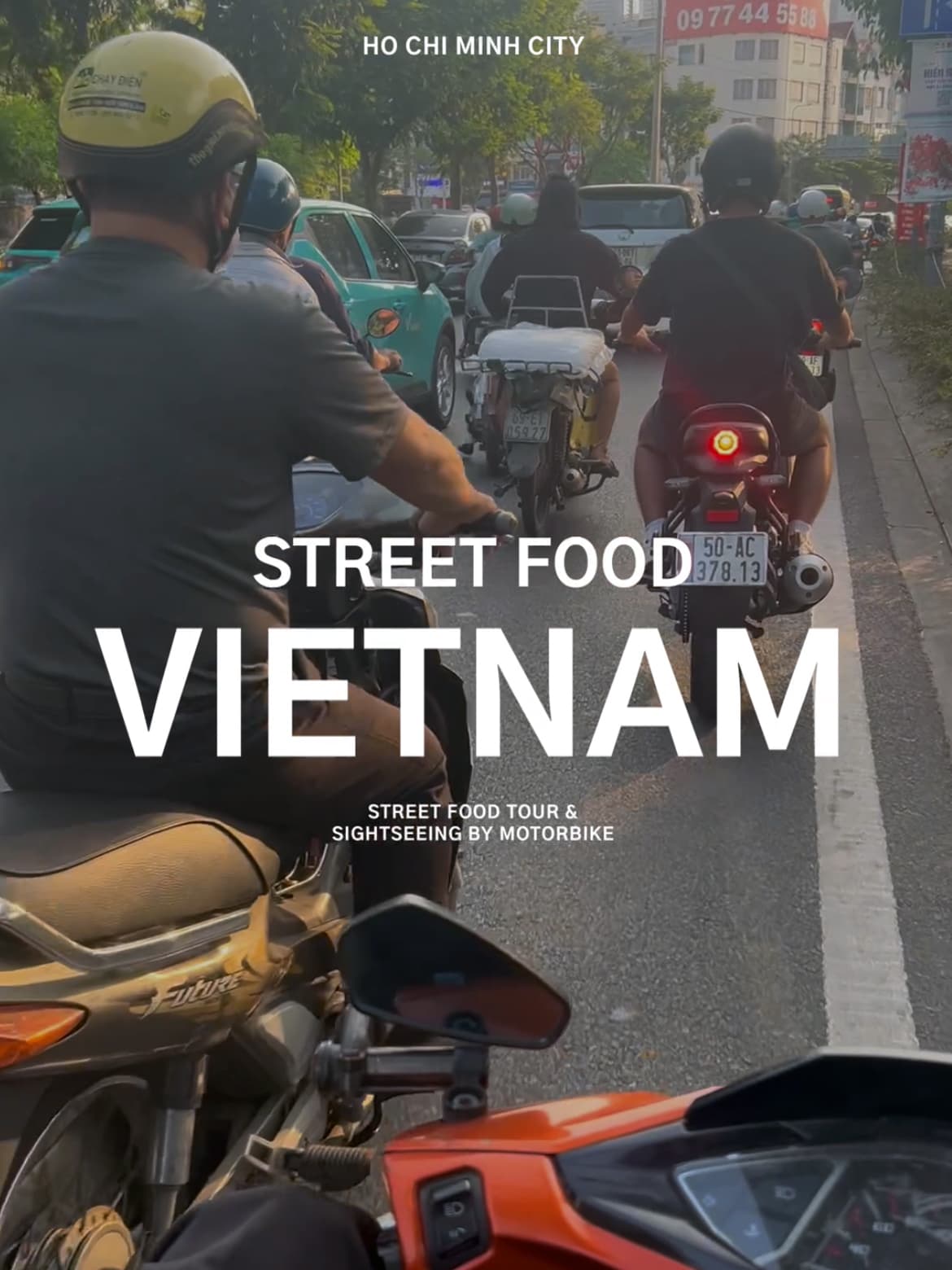
Table of Contents[Hide][Show]
Dearest reader,
In a random twist of fate, I found myself visiting my youngest son in Vietnam earlier this year (the why involves another blog post, I think!). While I was there, we booked ourselves on a couple of city tours.
The Ho Chi Minh City Street Food Tour by motorcycle was singularly one of the best food tours I’ve ever been on (and back in the prime of food blogging, I was invited on a lot of tours!). It was fun, relaxed, and exhilarating, and a great introduction to Vietnamese cuisine, without the hassle of sourcing restaurants yourself.
Ho Chi Minh City Food Tour by Saigon Adventures
My son and I booked our tour with Saigon Adventures, which offers free hotel pick-up in Districts 1, 3, and 4. Although we were staying in District 2, they offered to pick us up for 74,000 VND ($ 2.80 USD/£2.08 GBP), which we accepted.
Rewind: By this point, I’d been in the city for about a week (you can read about the rest of the trip shortly; I’m still writing the blog post!), and I was just getting used to crossing the roads without using other people as human shields.
The traffic in Ho Chi Minh City is extraordinary. It’s a constant, flowing mass of scooters, cars, buses, and the occasional brave pedestrian, all moving together in what can only be described as organised chaos. No sudden stops, no dramatic gestures, just steady, unwavering momentum. As my son described it, it’s chaos, but it’s beautiful.
After a week of navigating the streets on foot, it was time to join the traffic on a motorcycle.
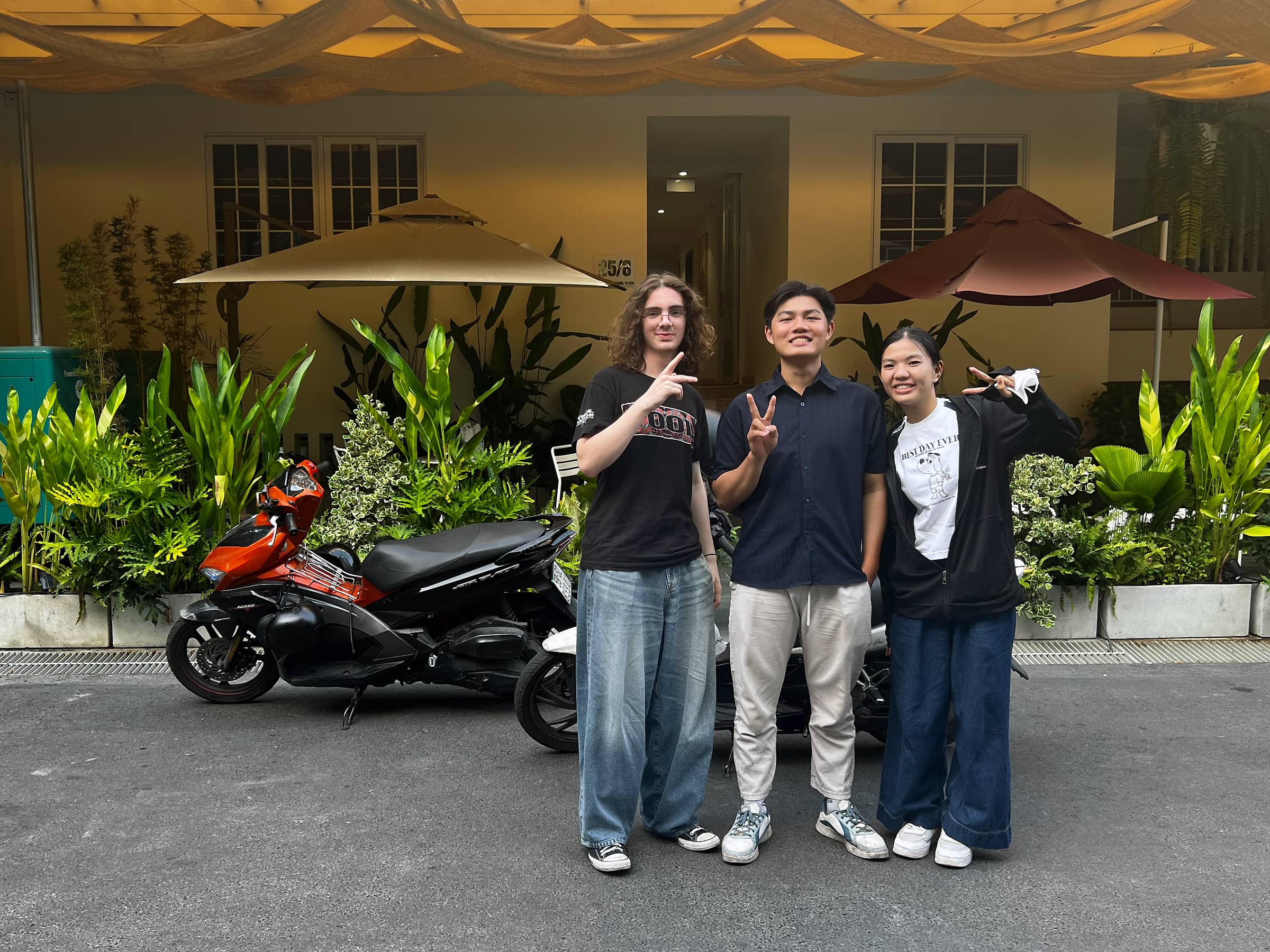
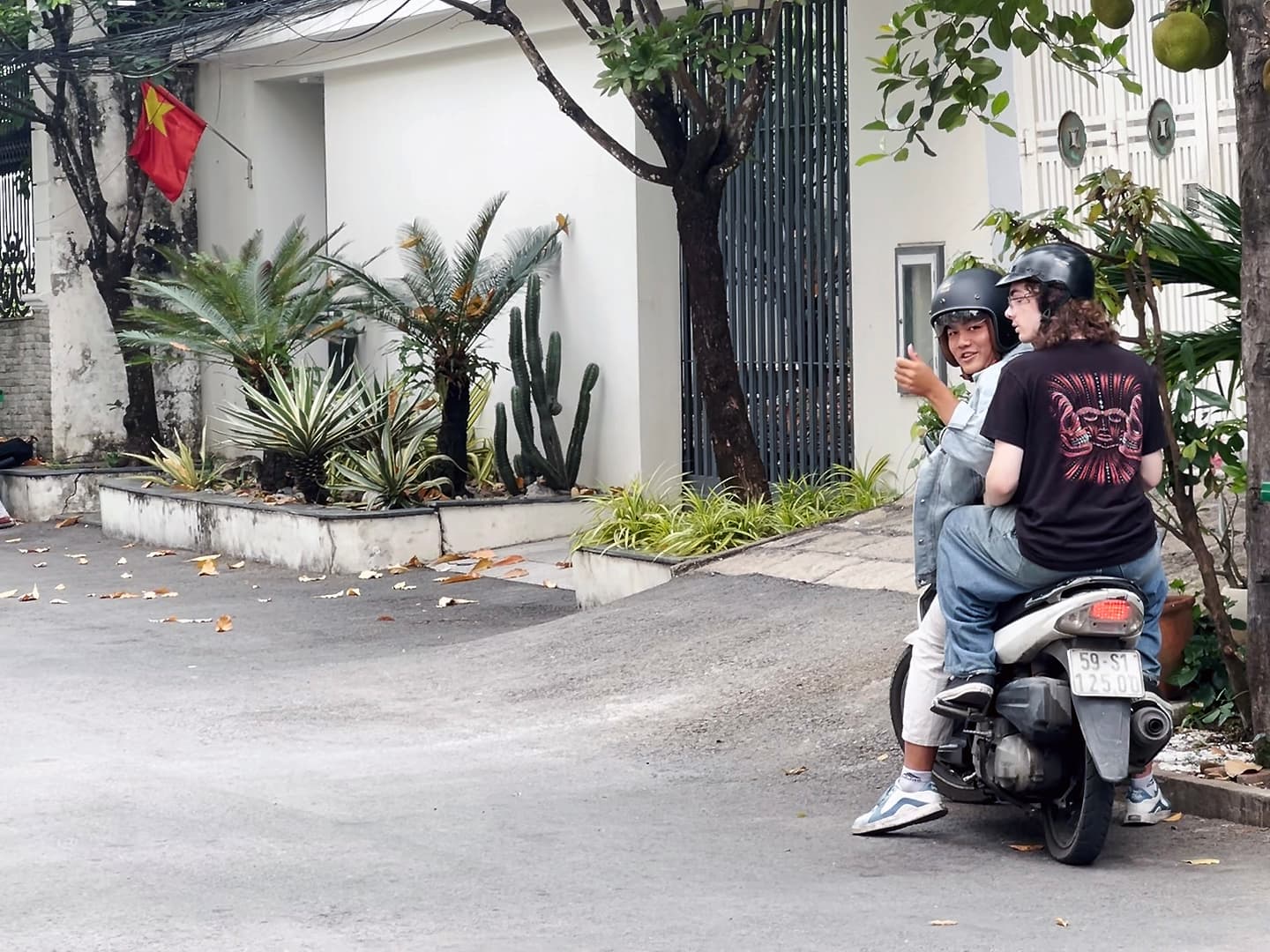
Our fantastic drivers, Bi and Nami, picked us up from our hotel, and moments later, we were in the flow of traffic into the city centre.
I’m not going to lie: on our first ride into the city centre, one hand had a death grip on the pillion handle behind me, and the other firmly clutched Nami’s overshirt. For the first few minutes, I was convinced we’d crash into a nearby rider or get sideswiped by a Grab taxi. Nami’s skill at blending into the flow of Ho Chi Minh City traffic soon eased my worries. I began to relax and to take in my surroundings.
Nami and I chatted away; she told me about her life, how she’s studying hospitality and hotel management, and she pointed out significant landmarks that we passed.
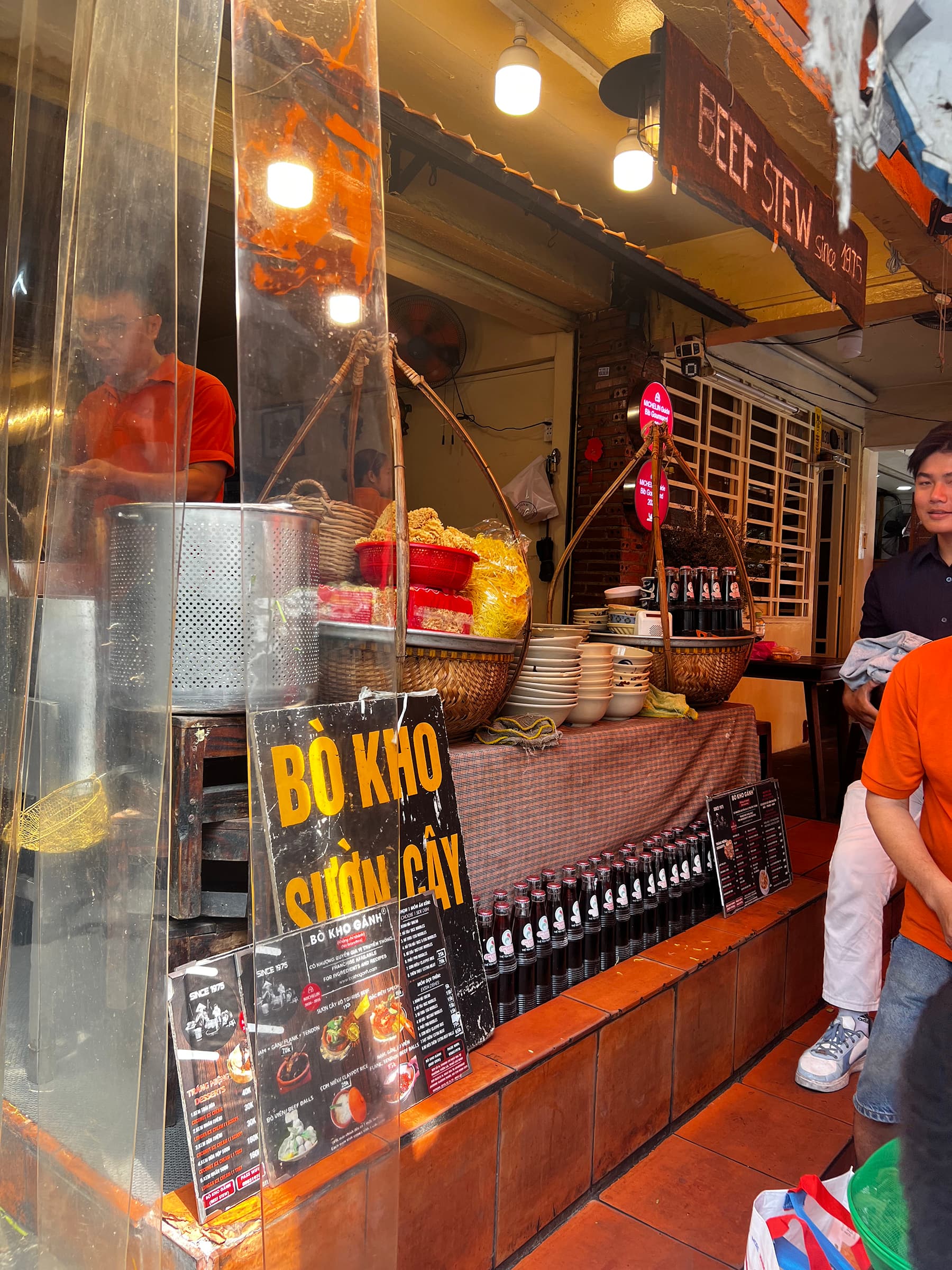
Bún Bò Xưa
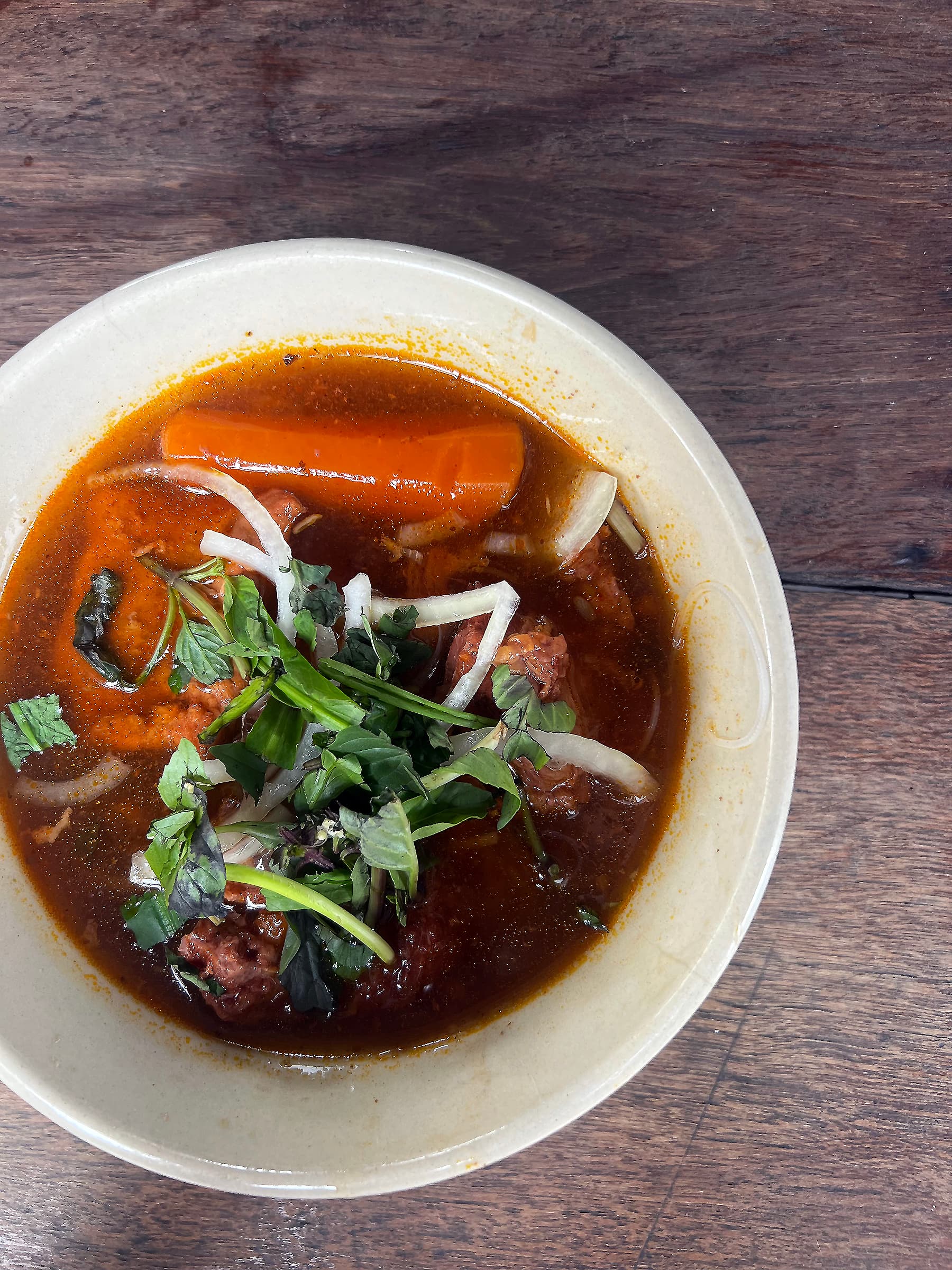
Our first stop was a Michelin-recommended local eatery in District 3, where we enjoyed a bowl of Bún Bò Xưa.
Bún: Rice vermicelli noodles.
Bò: Beef.
Xưa: Old, ancient, or traditional (referring to a classic, authentic preparation style).
This bold and aromatic beef noodle soup stands apart from the more familiar Phở found across Vietnam.
It’s a central Vietnamese speciality featuring a fragrant broth simmered with lemongrass, beef bones, pineapple, and shrimp paste, giving it a rich, slightly spicy depth. The stew is topped with crab sausage, tender beef brisket, spring onions and sliced onions. It’s a perfect balance of savoury, spicy, and aromatic flavours that wake up your taste buds from the first spoonful.
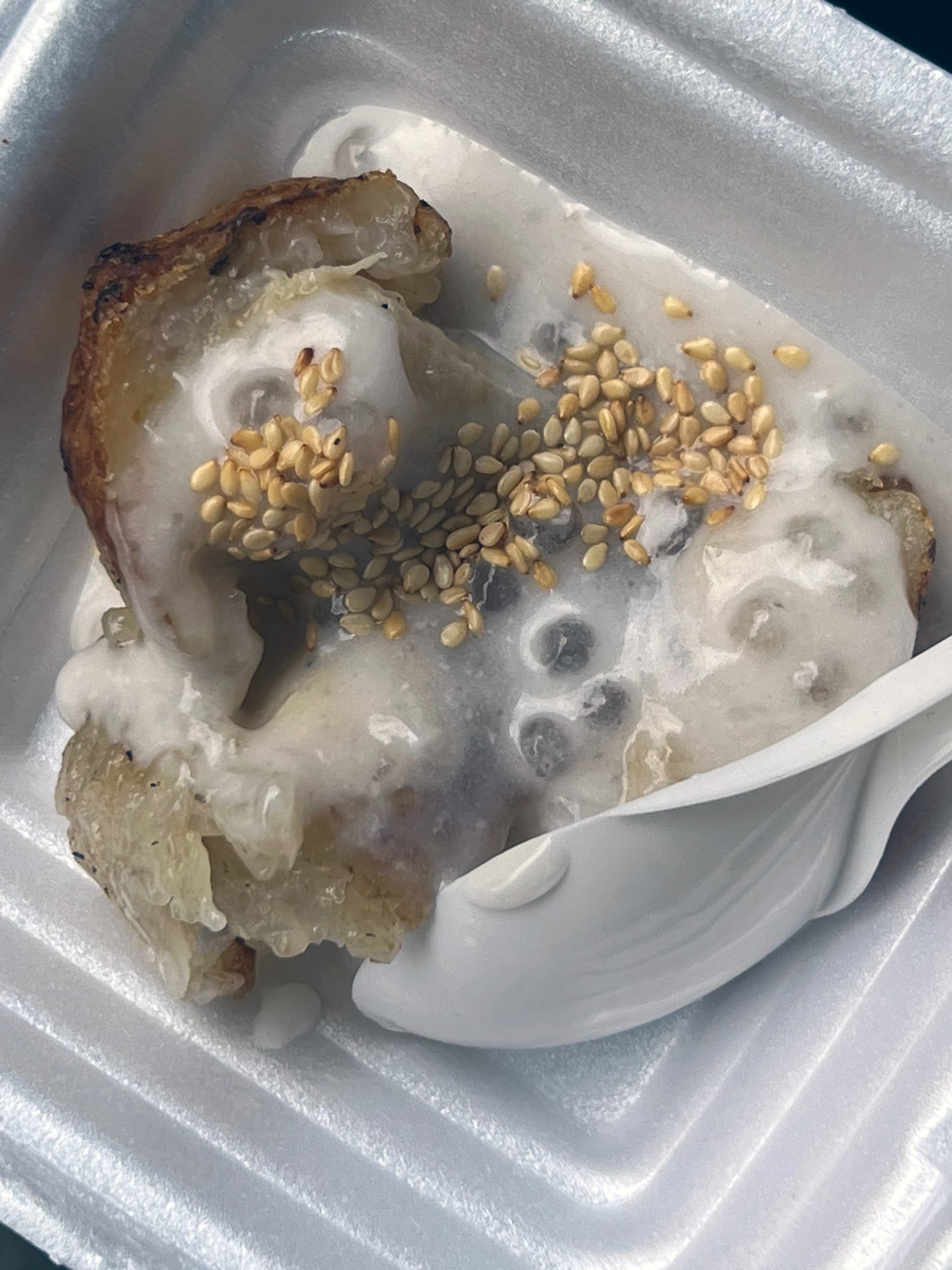
Chuối nếp nướng
Chuối: Banana.
nếp: Sticky rice.
nướng: Grilled.
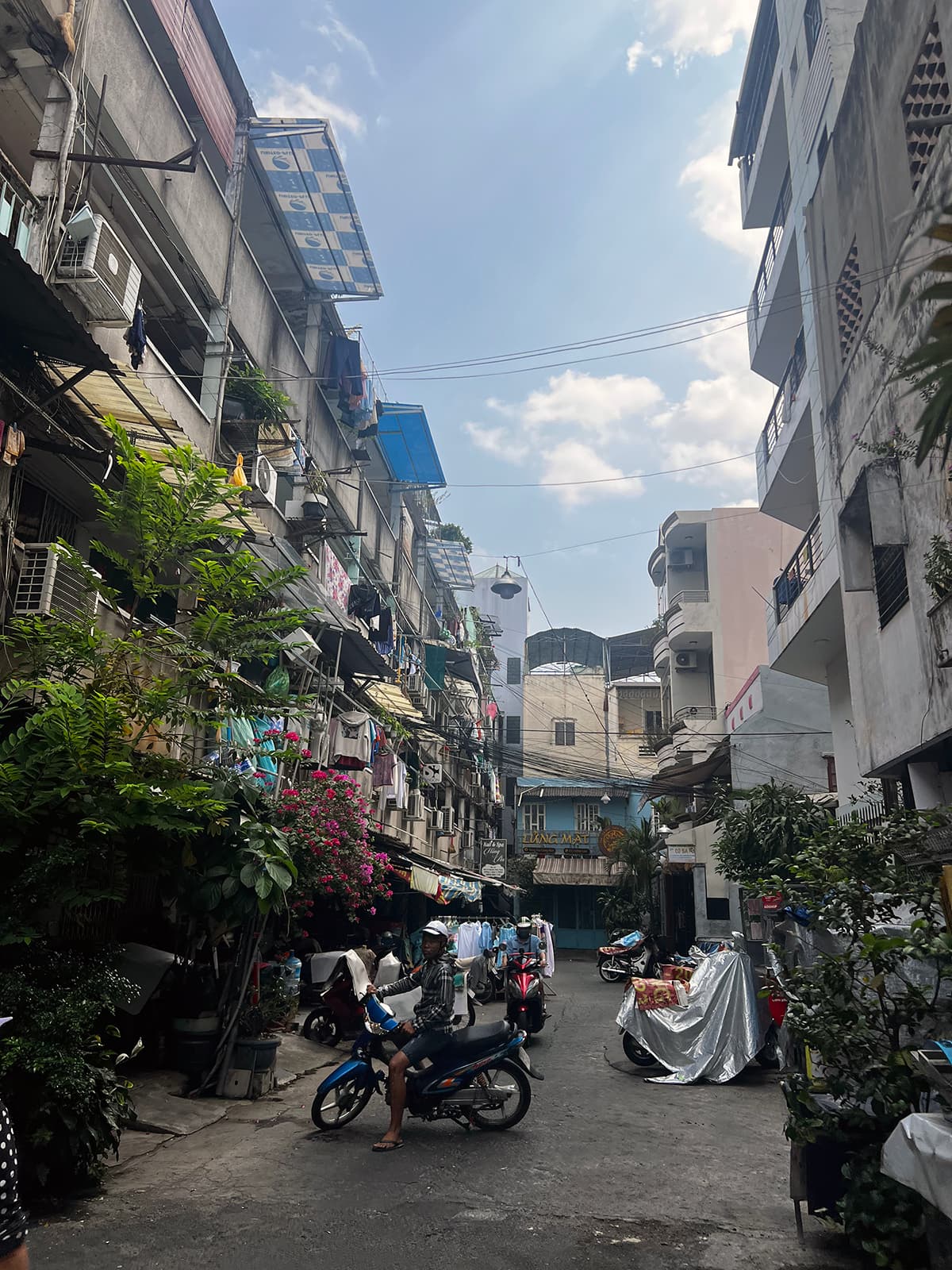
Our second stop, near the Nguyễn Thiện Thuật neighbourhood in District 3, served Chuối Nướng: grilled plantain wrapped in sticky rice, topped with a creamy coconut milk sauce and tapioca pearls, blending sweet and savoury flavours. This dish is proudly recognised as one of the world’s top ten street foods.
Delicious.
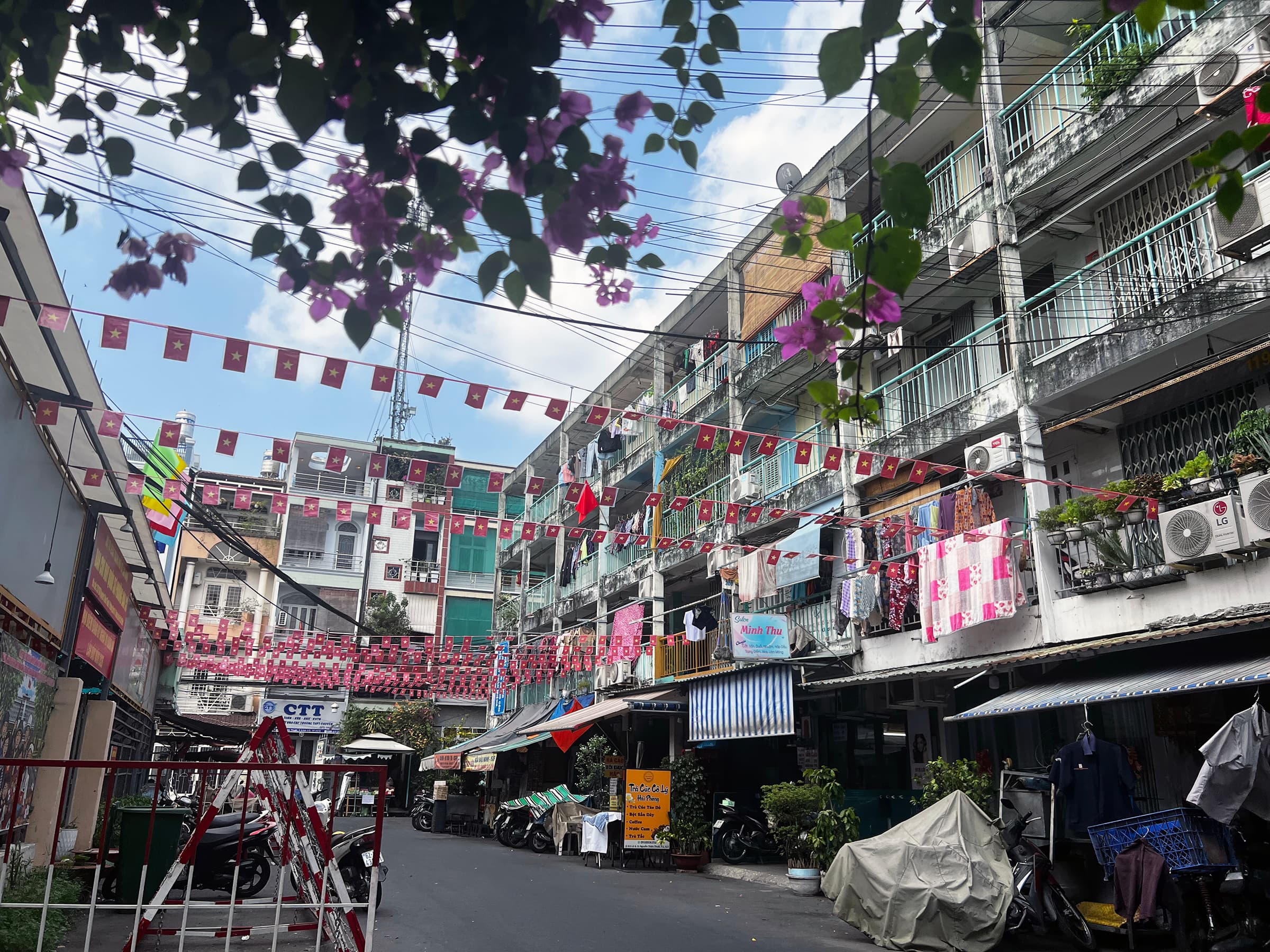
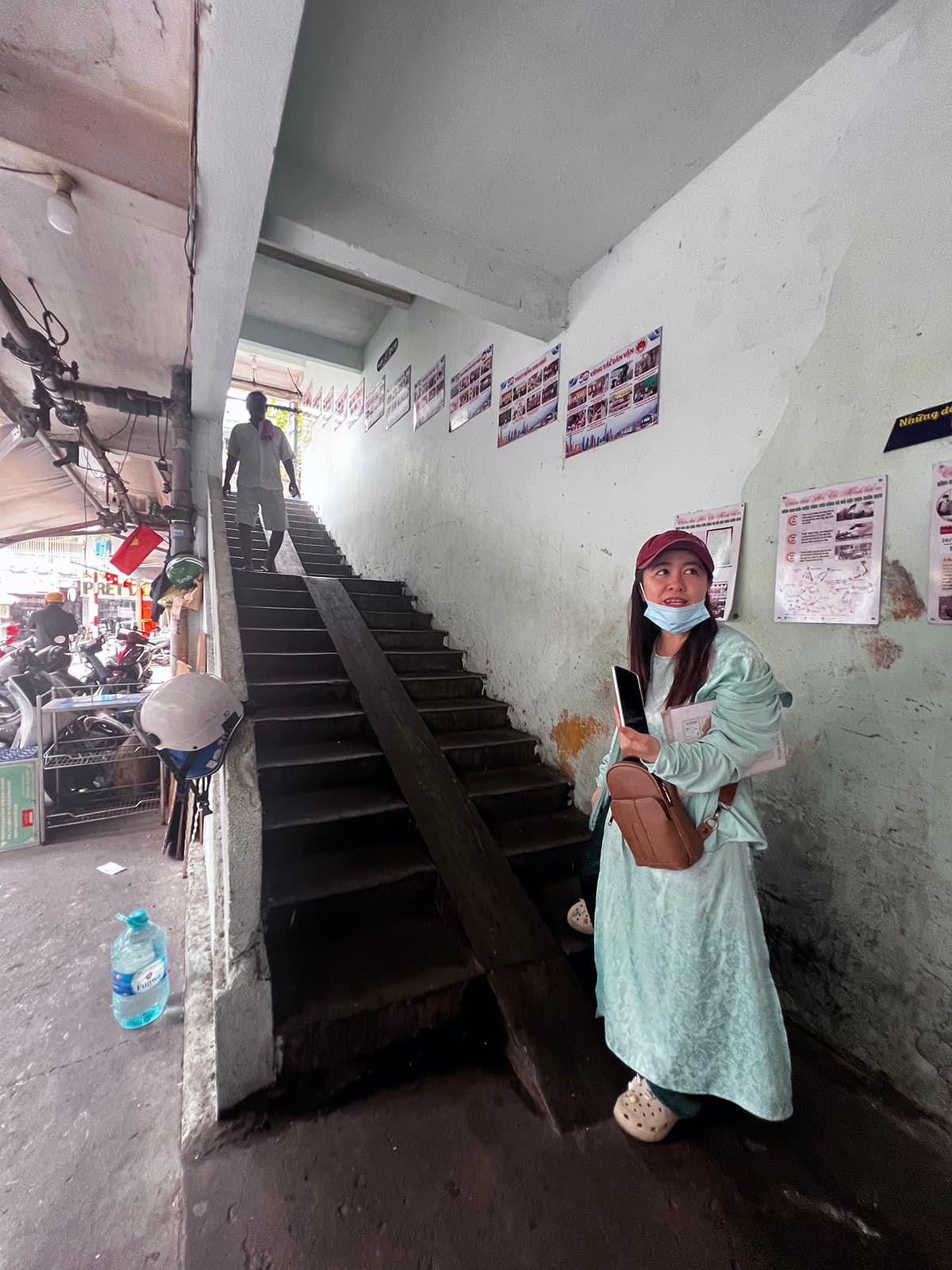
The lively Nguyễn Thiện Thuật neighbourhood captures the true spirit of Saigon street life. It was built around 1968 with US funding and housed families and staff during the Vietnam War. The buildings are 4 stories high and have no lifts; instead, they use concrete staircases. Renting street space for the motorcycles costs money, so the staircases include a central ramp to help people bring their vehicles up to their apartments.
Bò nướng lá lốt
Bò: Beef.
nướng: Grilled.
lá lốt: Wild betel/lolot leaves
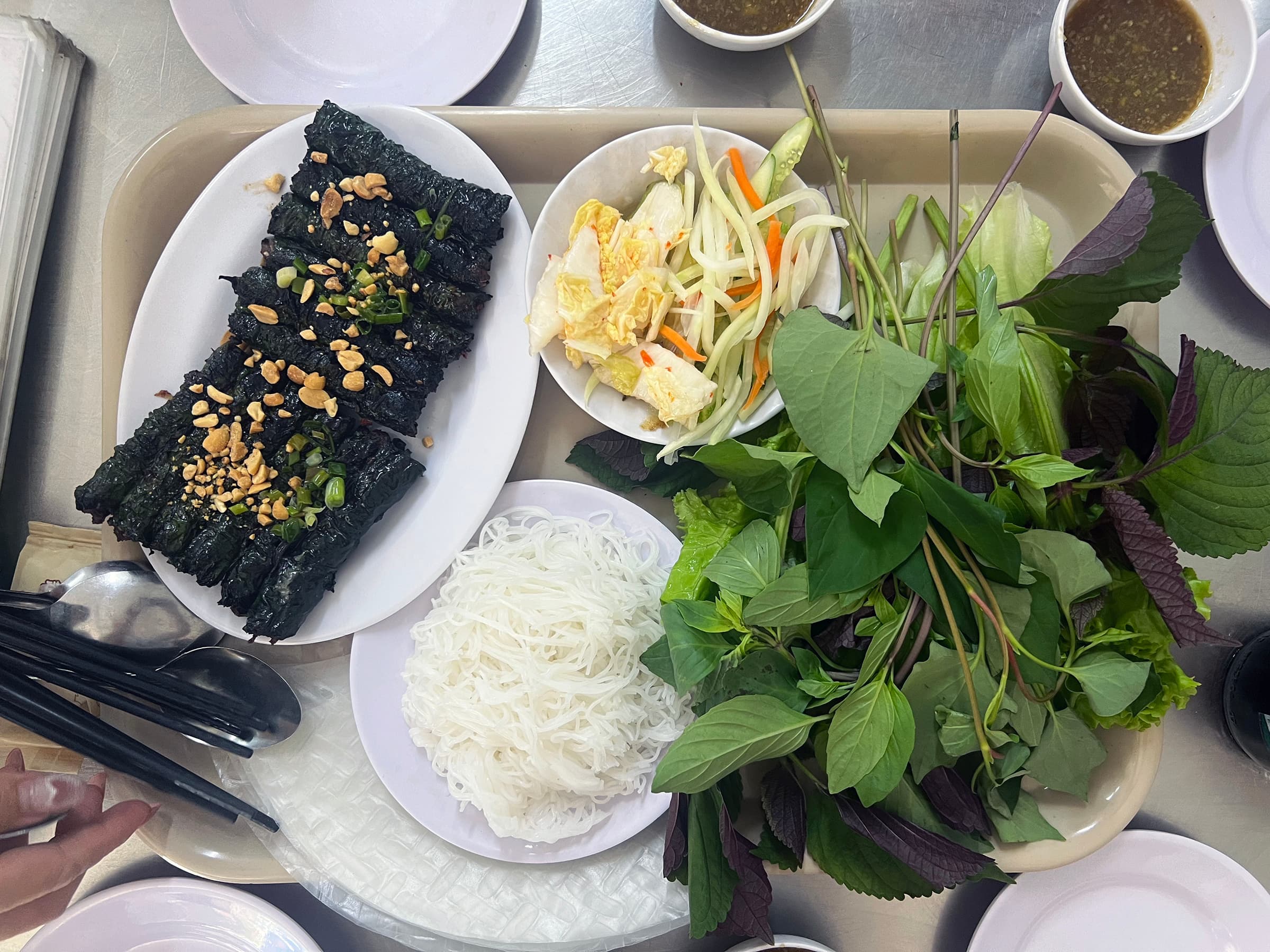
Our next stop was the Michelin-recommended Cô Liêng on Vo Van Tan Street. This restaurant has been serving authentic Southern Vietnamese flavours for nearly thirty years. The highlight is the charcoal-grilled bò lá lốt, minced beef wrapped in lá lốt leaves, with a well-balanced savoury-sweet flavour.
Bò lá lốt is often topped with crushed roasted peanuts and green onions, and sometimes it is served with lettuce, mint leaves, daikon and carrot pickles, and vermicelli noodles. Then dip it in nước mắm pha, a Vietnamese dipping sauce made with fish sauce and citrus. We washed ours down with a Bia Saigon.
Lolot leaves (lá lốt) are aromatic, heart-shaped leaves from the Piper sarmentosum plant, widely used in Southeast Asian cuisine, particularly in Vietnamese dishes like bò lá lốt. They have a mild, peppery, and slightly minty flavour that intensifies when cooked. These are not the same species as the betel leaves chewed, although people often use the terms interchangeably when describing this dish.
Bánh Mì
Bánh: Baked goods, cakes, or items made from a flour or rice base.
Mì: Wheat.
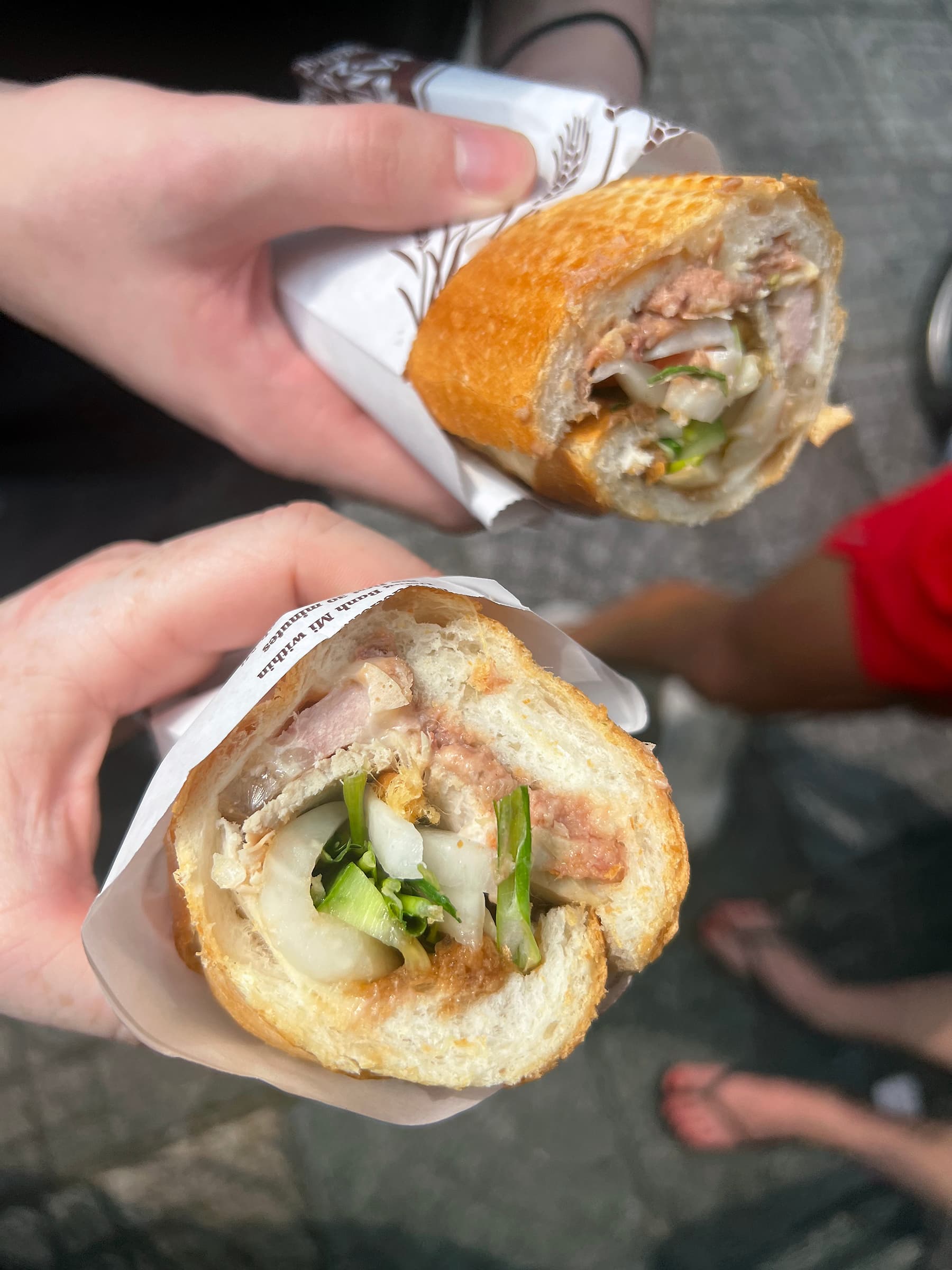
Our next stop was the most famous street-food area for Saigon students in District 10: Saigon’s Signature Baguette (Bánh Mì), the best-known baguette in the world.
Bánh mì has its roots in Vietnam’s French colonial period, when French settlers introduced baguettes to the region during the 19th century. Over time, Vietnamese cooks adapted the bread to suit the local climate and tastes, creating a lighter, airier baguette.
What began as a simple combination of bread and European ingredients such as pig’s liver pâté and cured meats gradually evolved into the distinctly Vietnamese sandwich known today, layered with pickled vegetables, fresh herbs, chilli, cucumber and a variety of fillings.
After the Fall of Saigon, Vietnamese immigrants helped popularise bánh mì internationally, and it has since become one of Vietnam’s most recognisable street foods.
Bánh tráng nướng
Bánh: Baked goods, cakes, or items made from a flour or rice base.
tráng: Thin layer.
nướng: Grilled or baked.
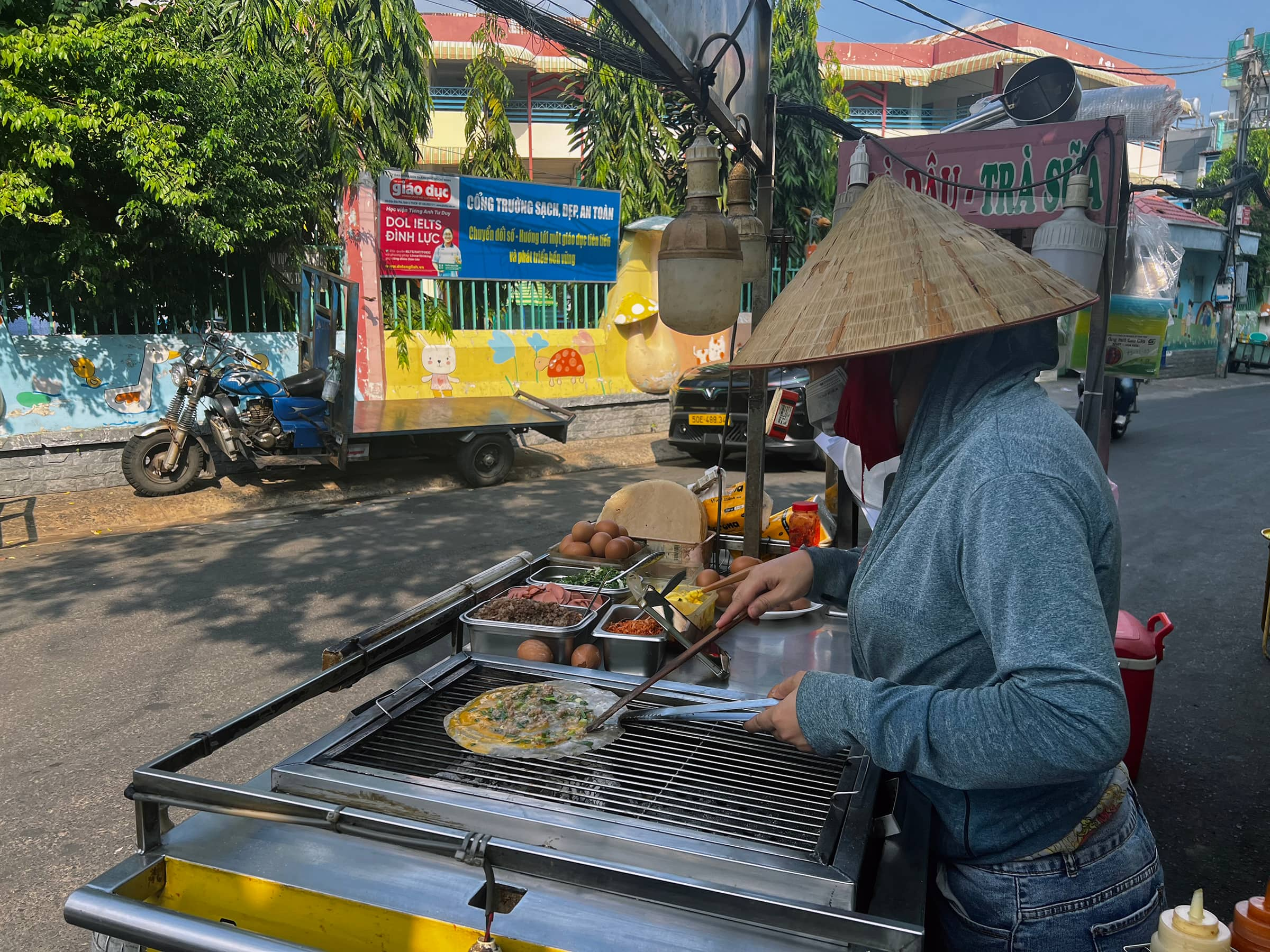
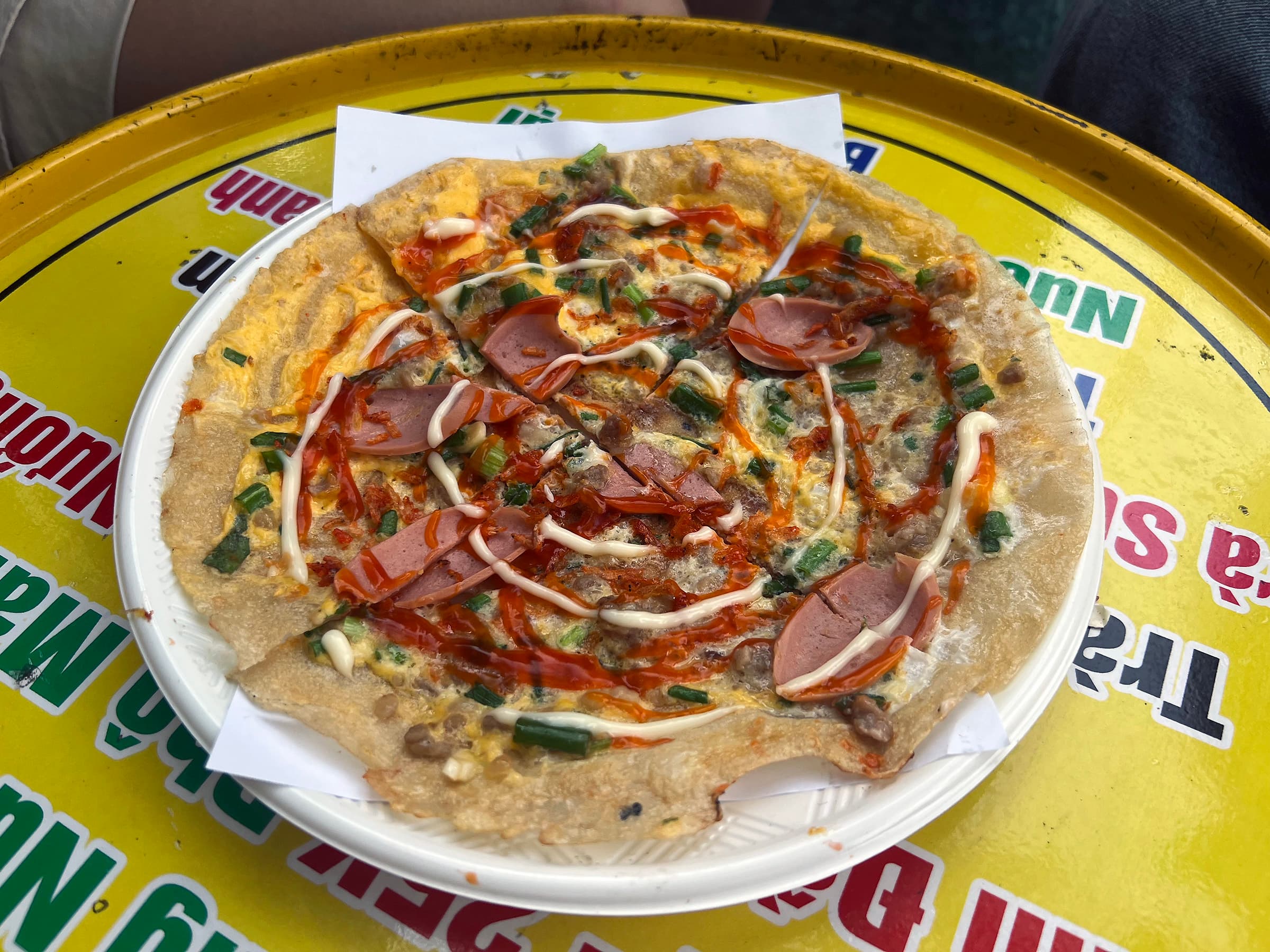
Often nicknamed “Vietnamese pizza,” bánh tráng nướng is a popular street food made with thin rice paper grilled over charcoal. It is often topped with a quail egg, spring onions, dried shrimp, chilli sauce, cheese or minced pork. You then fold or slice it while it’s still crisp from the heat.
Our guide told us students love it after school because it’s inexpensive and portable. My student son verified this.
Bánh Khọt
Bánh: Baked goods, cakes, or items made from a flour or rice base.
Khọt: The word khọt is an onomatopoeia. It mimics the "khọt khọt" scraping sound made when flipping the pancakes out of their specialized iron molds..
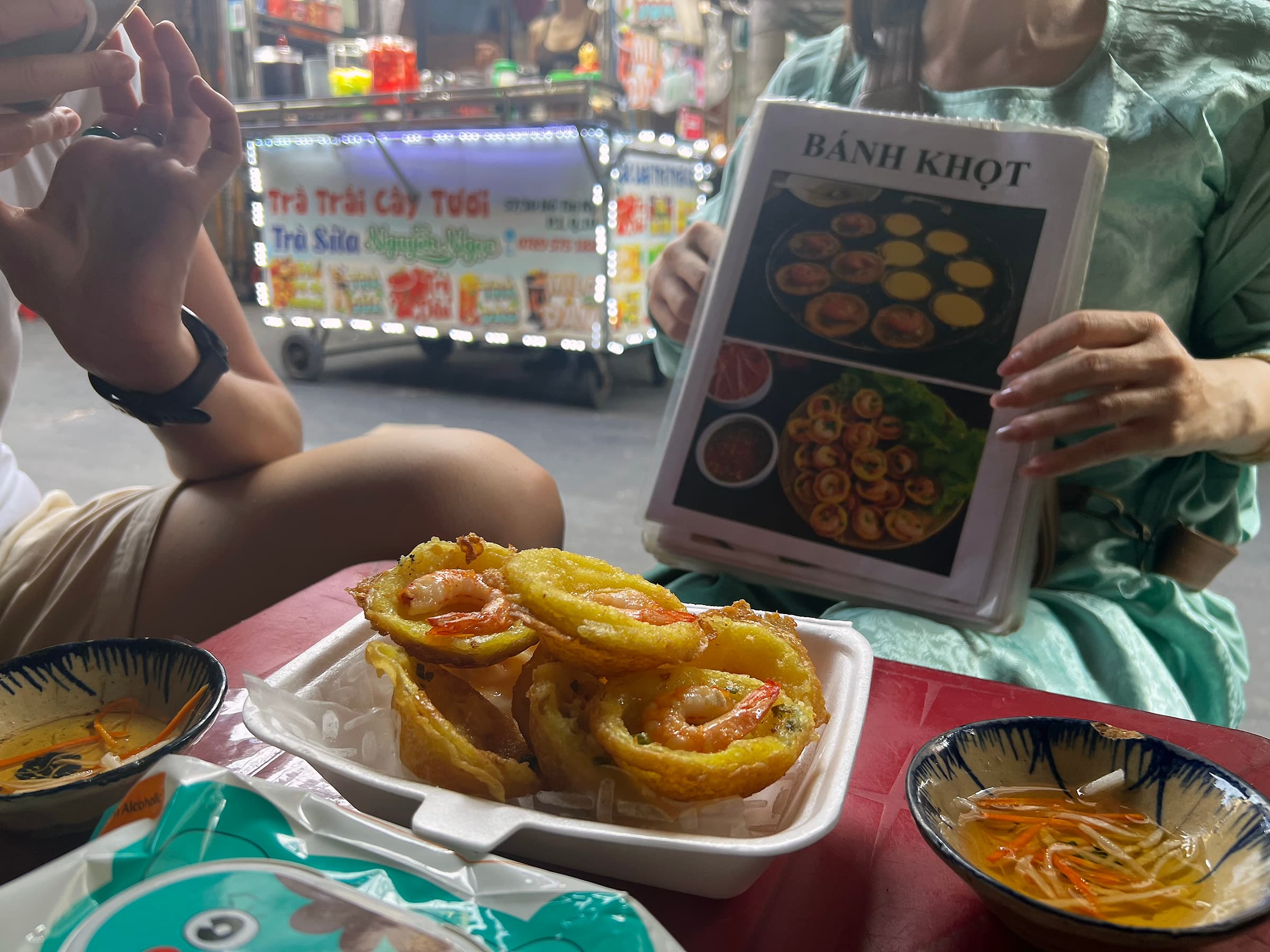
Next, we savoured Bánh Khọt, mini savoury Vietnamese crispy pancakes made from rice flour, egg, coconut milk, and turmeric, filled with shrimp, pork, bean sprouts, and mung beans.
Each bite burst with flavour, especially when we wrapped them in fresh greens and dipped them in a rich, tangy fish sauce (nước chấm) made with pickled carrots and daikon.
Bánh Khọt comes with mustard greens, lettuce, Thai basil, purple mint, and ambarella leaves. It’s a perfect harmony of textures and tastes.
The word khọt is an onomatopoeia. It mimics the “khọt khọt” scraping sound made when flipping the pancakes out of their specialised iron moulds.
Ho Thi Ky Flower Market
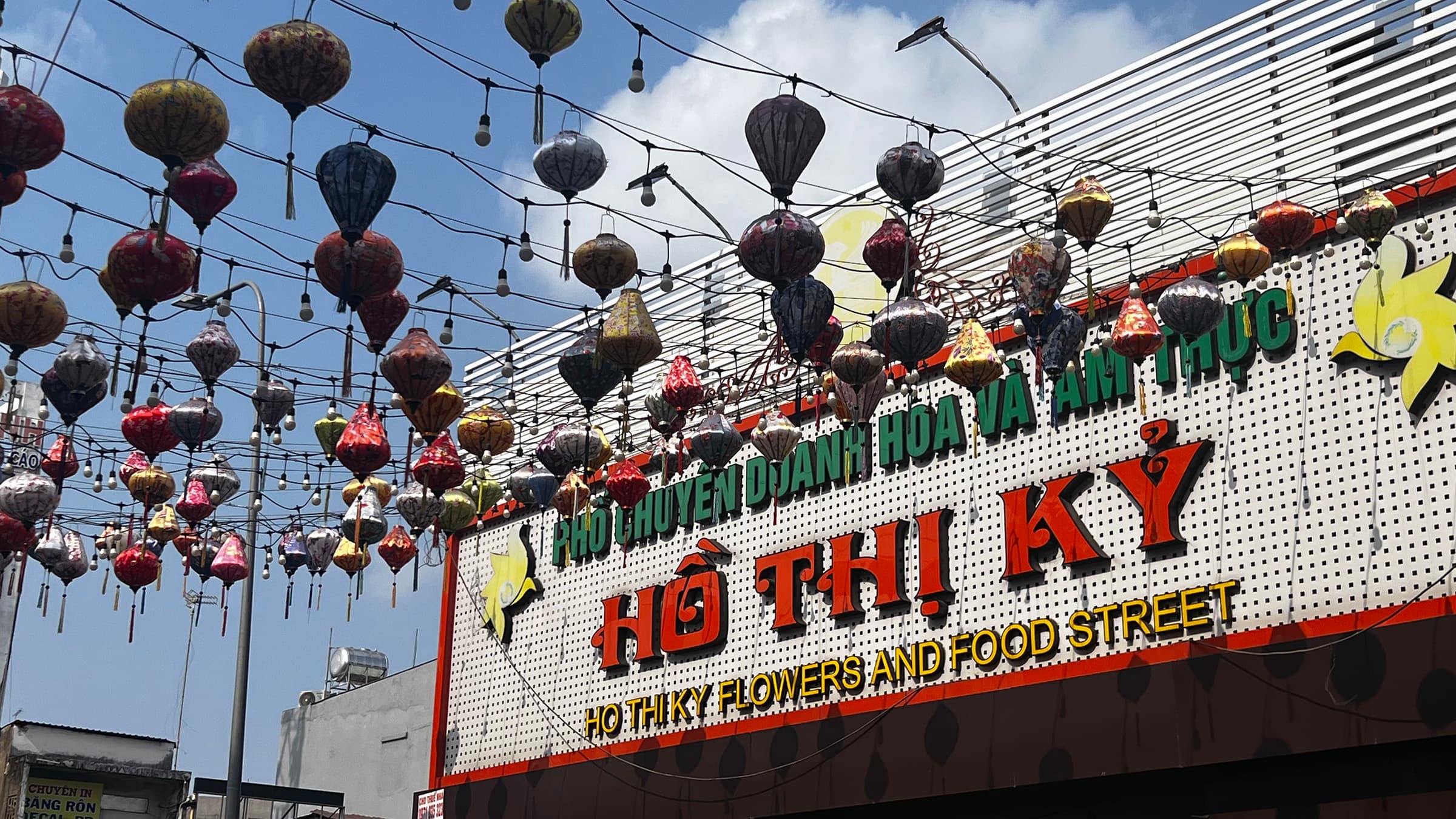
We’ll take a short stroll to Saigon’s largest and most vibrant flower market, where colours and fragrances fill the air.
Here, we got to taste fresh Vietnamese Spring Rolls: delicate rice paper wraps filled with shrimp, pork, and crisp greens, served with a rich, creamy peanut dipping sauce (not pictured, but you can see them in the video playing in this blog post).
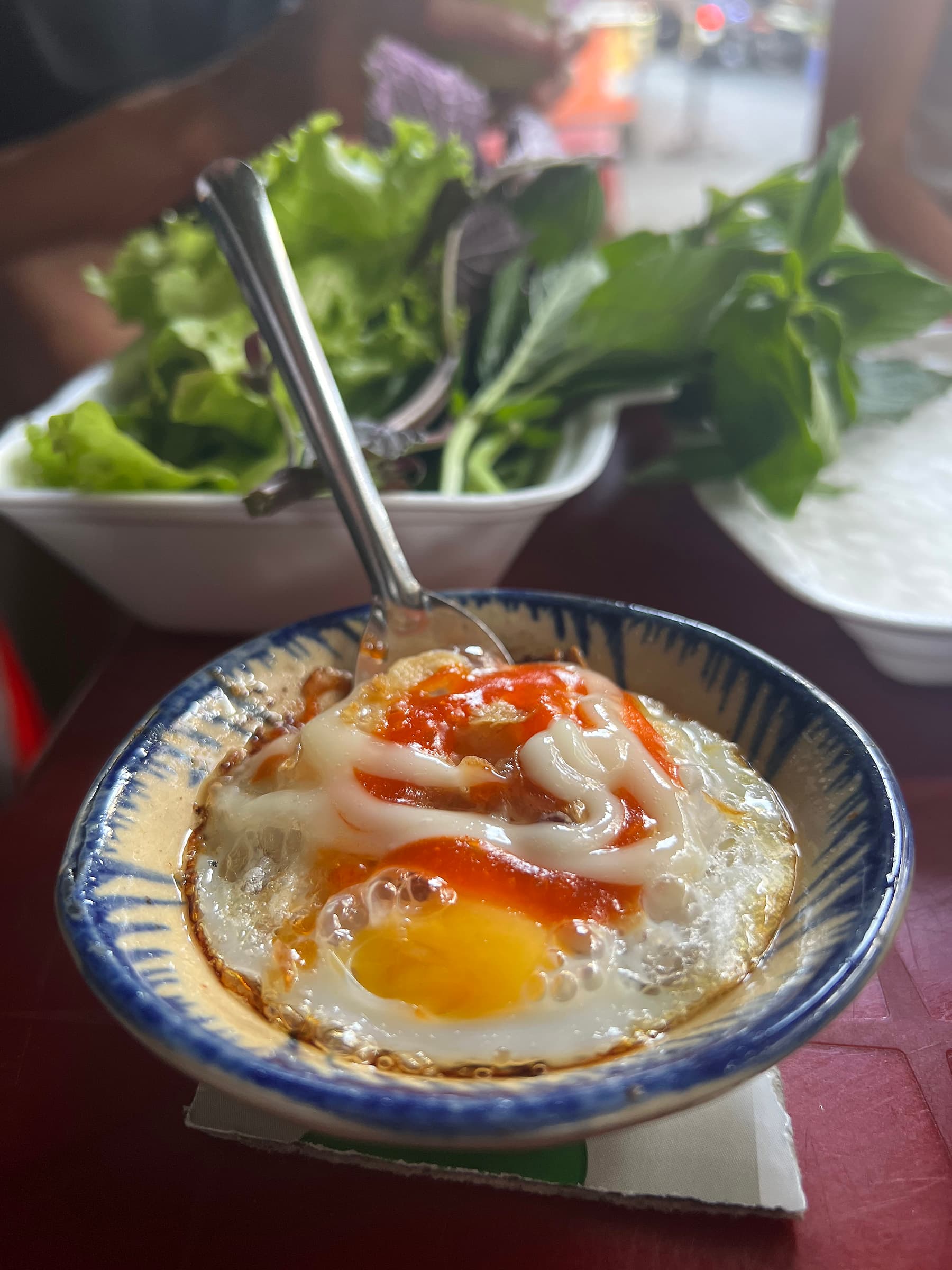
They also offered baked eggs in a cup, featuring creamy eggs and customisable toppings (below, left).
Cambodian Market
We wandered through Ho Chi Minh City’s most vibrant and colourful food market, the Cambodian Market, where the sights, sounds, and aromas burst with local energy.
Here, we tried banana and coconut crackers, one of Saigon’s most beloved snacks, made from whipped egg whites, sugar, and sesame seeds, with a hint of ginger or banana for extra flavour (you can see this in the video).
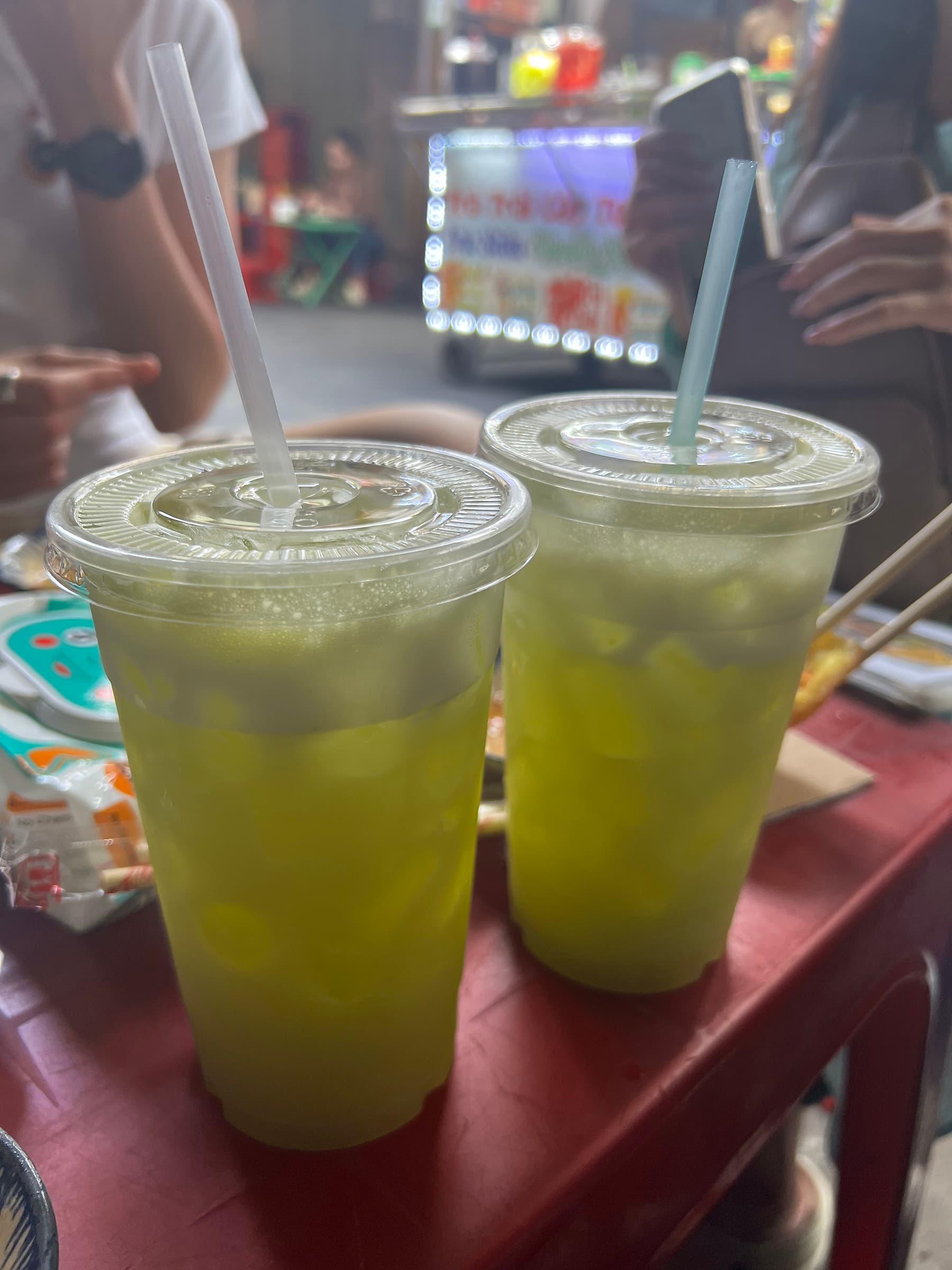
To cool down, we enjoyed a refreshing glass of sugarcane juice with kumquat; the city’s favourite drink, perfectly sweet, slightly tangy, and irresistibly refreshing (above, right).
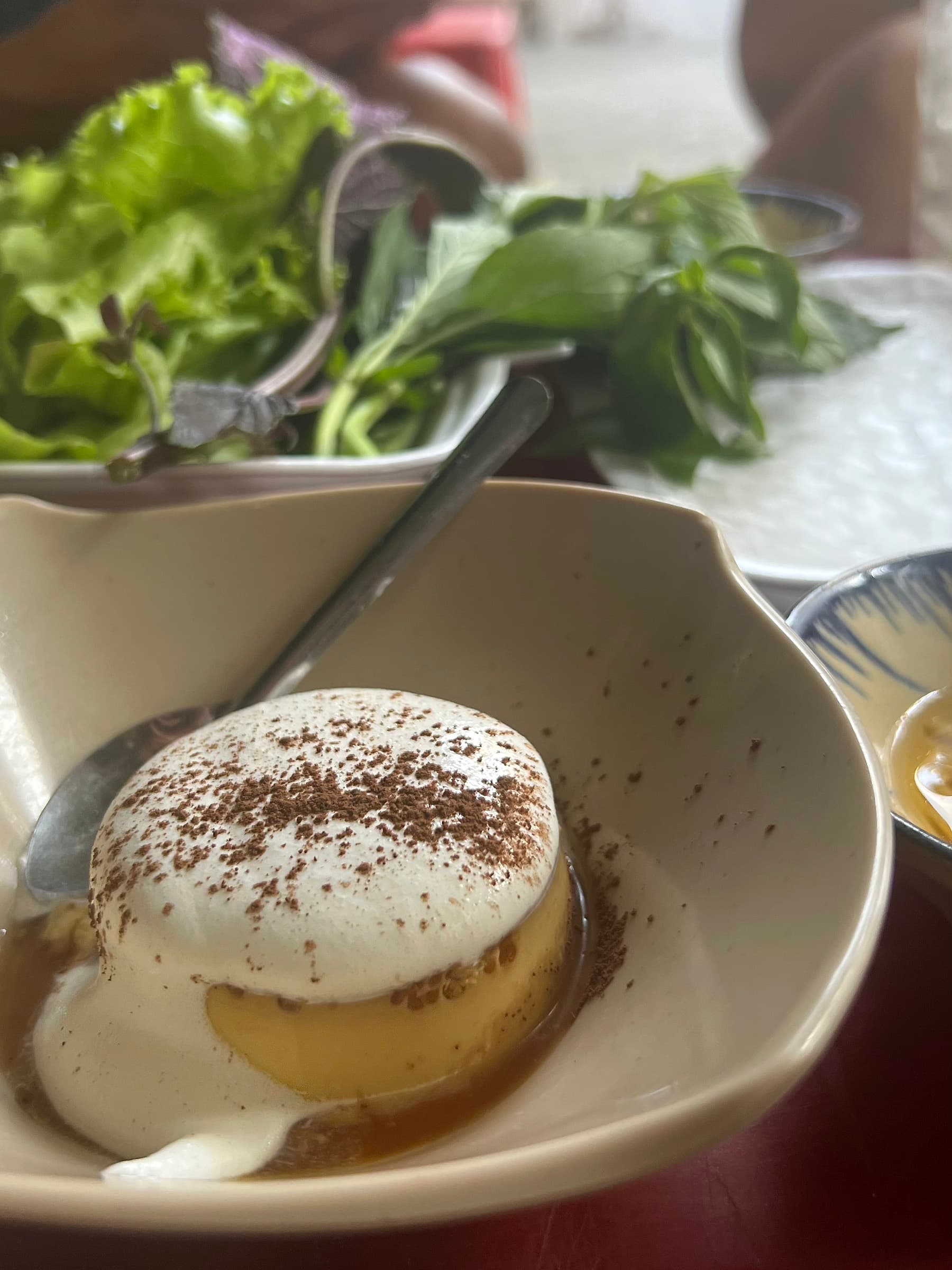
We ended on a sweet note, with a silky caramel flan that melted in the mouth.
Huge thanks to Bi and Nami from Saigon Adventure for making the Ho Chi Minh City Street Food Tour by motorcycle experience as enjoyable as possible. Their personalities and storytelling made the experience something extraordinary.
Their local and food stories helped us better understand people’s lives and local cuisine not only in Saigon but across Vietnam.
It was a truly memorable experience.